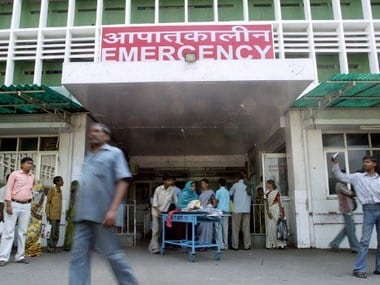
ओ गढ़ नीचो किम झुके,ऊंचो जस गिर वास|
हर झाटै जौहर जठै,हर भाटै इतिहास ||

मांणक सूं मूंगी घणी जुडै़ न हीरां जोड़।
पन्नौं न पावै पांतने रज थारी चित्तौड़॥
आवै न सोनौं ऒळ म्हं हुवे न चांदी होड़।
रगत धाप मूंघी रही माटी गढ़ चित्तोड़॥
दान जगन तप तेज हूं बाजिया तीर्थ बहोड़।
तूं तीरथ तेगां तणौ बलिदानी चित्तोड़॥

बड़तां पाड़ळ पोळ में मम् झुकियौ माथोह।
चित्रांगद रा चित्रगढ़ नम् नम् करुं नमोह॥
जठै झड़या जयमल कला छतरी छतरां मोड़।
कमधज कट बणिया कमंध गढ थारै चित्तोड़॥
गढला भारत देस रा जुडै़ न थारी जोड़।
इक चित्तोड़ थां उपरां गढळा वारुं क्रोड़॥

The Majestic Chittorgarh Fort
Also Known as PRIDE OF INDIA, one of the most historically significant fort.
Largest.It was more than sufficient for 30,000+ ppl to live together.
UNESCO WORLD HERITAGE SITE

Pillars of a temple of 10th century in Badoli, Chittaurgarh,Rajasthan.
In the end
मुझे न जाना गंगासागर
मुझे न रामेश्वर, काशी।
तीर्थराज चित्तौड़ देखने को
मेरी आँखें प्यासी॥

अपने अचल स्वतंत्र दुर्ग पर
सुनकर वैरी की बोली
निकल पड़ी लेकर तलवारें
जहाँ जवानों की टोली,
जहाँ आन पर माँ - बहनों की
जला जला पावन होली
वीर - मंडली गर्वित स्वर से
जय माँ की जय जय बोली,!!!

The Enigmatic Fort
Situated around 100 kilometers away from Udaipur, Chittorgarh mightily stands encompassing an area of around 700 acres and 65 structures with a perimeter wall of 13 kilometers. 84 water bodies out of which 22 are functional today are also an inseparable part of the fort. Perched high on the banks of river Gambhiri,the substantial area needs a days’ time and a vehicle to visit all the attractions .
The Illustrious fort is regarded as the most prominent fort in the state and was the capital of the world’s longest ruling dynasty, the kingdom of Mewar for eight-centuries. The origin of the fort dates back to the seventh century, when Chitrangad Mori of the Maurya dynasty is believed to have laid the foundation stone. The fort came in possession of Bappa Rawal in the mid- eighth century, however the possession remains a conflicting issue. While some say that he seized the fort, others believe that he received it as a dowry. Nonetheless, the fort remained the capital of his extensive kingdom stretched from Gujarat to Ajmer.
According to historians, this fort was built by the Mauryan King Chitrangad Maurya in the seventh century, this magnificent structure is situated on a 180 m high hill and spread across the area of approximately 700 acres.
King Chitrangad Maurya has named it as Chitrakoot in his name. Later it became known as Chittaur. It is situated on the Mesa Plateau.
History Of Chittorgarh Fort Rajasthan

One of the earliest drawing of Chittorgarh Fort, by a english traveller John Fryer in 1670s.
In the 738 King Bappa Rawal defeated Manmori, the last ruler of the Mauryan dynasty who ruled over the Rajputana, took the fort under his control. Then, Parmar Raja Munj of Malva took it away from the Guhilavis and merged it with his kingdom.
Thus, in the 9th-10th century, it was dominated by Parmaras.In 1133, Solanki King Jaysingh of Gujarat defeated Yashovarman and took away Malwa from Parmaras, due to which the fort of Chittorgarh also came under the authority of Solanki.
Later, defeating the successor of Jayasinghe’s nephew Ajaypal, Raja Samant Singh of Mewar re-established the Guhilavans around 1174. The marriage of Raja Samant Singh was done by Prithvi bai, sister of Prithviraj Chauhan.
Samant Singh died in the Second Battle of Tarain. From 1213 to 1252, after destroying Nagda by Iltutmish, Chittoor was made the capital by King Jaitra Singh and ruled the chittor state. In 1303, Raval Ratnasinh fought here with Alauddin Khilji.
The battle became known as the first Shaka of Chittor. Allauddin Khilji was victorious in this battle and handed it over to his son Khijr Khan, Khizr Khan handed over the rule of Chittor to Kanheda’s brother Maldev.

Rana Hammir, the founder of the Sisodia dynasty (which is a branch of the Guhil dynasty), descended from Bappa Rawal, again captured this fort from Maldev. Hamir was very mighty and visionary. He ruled here for fifty years with great merit and expanded his kingdom.
With the same efforts, the pride of Chittor could be restored. In 1538, the Bahadur Shah of Gujarat attacked Chittor. This war is known as the second Shaka of Chittorgarh fort.In 1567, the third shaka of Mewar took place, in which Akbar had attacked Chittor.

Chittorgarh fort described in Fathnama of Akbar: The fort that Alburz (Elburz Mountain in modern Iran) with all its majesty would appear insignificant rock at its foot. And Tur (Mount Sinai in modern Egypt) and Hindukush will fit as walls in its ramparts. Its canopy vies with crystalline sphere (transparent celestial sphere in islamic astronomy which hold planets onto its position) in height. Its circumference is three farsangs (persian unit of distance, a farsang equals 4-5 kms) and calculators are unable to count its battlements.
All these Muslim king attacks are one of the main reasons for the cultural destruction of Chittorgarh. After the third shakha, in 1559, Maharana Uday Singh removed from the capital of Mewar from Chittor and established it near the Pichola Lake in Aravali, which is today known as Udaipur.
The kingdom flourished and remained with the rulers of Guhila dynasty until 1303, when Alauddin Khilji decided to capture it with a siege that lasted eight months long. One legend states that the conquest took place in an attempt to win Rani Padmini, King Ratnasimha’s wife. The siege led to a massacre and the queen with other women of the fort performed mass self-immolation (jauhar) to protect their honour and kept the land unsullied. The jauhar is commemorated even today and stands as one of the most tragic history event in the history.
The fort was then passed down to his son Khizr Khan and after a short reign of seven years the fort was recaptured by Hammir Singh, reclaiming the Mewar dynasty making the rule stronger than ever. Rana Kumbha was a famous descendant and the kingdom flourished under his rule.
Around 1535, the fort was attacked by Sultan Bahadur Shah of Gujarat who wander to expand his territory. This was the second time that jauhar took place in the history of Chittorgarh.
Unlike the other Rajput rulers, the Mewars didn’t submit to Mughals and hence in 1567, Akbar attacked the fort with his powerful massive army and took over it in 1568. A grueling bloodshed took place and the Rajput women sacrificed their lives through jauhar for the third time.
In 1616, Jehangir gave the fort back to the Mewars under a peaceful treaty and since then has remained with them.

One of the many gates of the Chittorgarh Fort
The strong walls of the fort can be entered through the fortified seven gates called pols known as- Padan Gate, Ganesh Gate, Hanuman Gate, Bhairon Gate, Jodla Gate, Lakshman Gate and the main gate is Ram Gate.
Padan pole

Padan pole is first pole (gate) of chittorgarh fort and it is entry point of the fort. The word padan is derived from patwi which means first or eldest in rajasthani. It is also said that a buffalo kid which is known as pada was brought down with the force of the people of first sack by Allauddin khilji, thats why its called padan pole.
Places near by –
1. Memorial Of Bagha Rawat : In the outer left side of padan pole, a statue of stone is situated. It is Bagha Rawat memorial. The original name of Bagha Rawat was Bagh Singh Rawat and he was grandson of Rana Mokal ji.

When Sultan bahadur shah of gujarat attacked on chittorgarh fort in 1535 A.D. then in the absense of Rana Vikramaditya , Bagha Rawat was announced as king of chittorgarh and approximately 30,000 rajput soldiers were with him. Bagha Rawat killed at padan pole while fighting bravely.

So whole this story makes this place among the biggest worshipable place of chittorgarh city.
2. Adarsh and purusharthi schools – Near padan pole there is bunch of some old schools like adarsh school and purusharthi school and the students of city comes and takes education on the foot of chittorgarh fort which makes them unique from whole world.
Bhairav Poll (Bhairon Poll)

The second door, which is known as the Bhairav Poll, is run on the slightest north side of the Padan Poll. It is named after the Solanki Bhairondas of Desuri, which was killed in the war in 1534 by Sultan Bahadur Shah of Gujarat. Maharana Fateh Singh Ji rebuilt it due to the breaking of the original door.
Jaimal and Kalla of Umbrellas
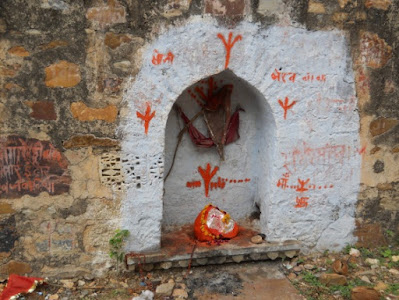
Bheron pole is second gate of chittorgarh fort. By passing through padan pole , one will reach at Bheron pole. Lord Bheron statue is near it thats why it is called bheron pole.
Near the Bhairav Poll, there are two umbrellas on the right side. The first four pillars have a famous Rathore Kalla and the other, the six-columned umbrella is itself Jaimal, with whom both Rathods were killed.
In 1567 when Emperor Akbar climbed Chittorgarh, at that time the two together wrecked the enemy army. In the end, Veergati received both different places. These umbrellas remind them of the glory figures.
Hanuman Pole

The third entrance of the fort is called Hanuman Pole. Because of the temple of Hanuman Ji is nearby. The statue of Hanuman Ji is wondrous and observable.

The hanuman temple is very old and lots of devotee comes daily here.
Ganesh Pol

Moving forward from the Hanuman pole to the south, Ganesh Pol comes, which is the fourth gate of the fort. Near it is the temple of Ganpati pole.

A very old and beautiful temple of lord ganesh is made there thats why its named ganesh pole.
Jorla Pole

This is fifth pole (gate) of chittorgarh fort and its adjoint with its next pole , thats why its called jorla pole. Jorla is referred as adjoint. Between jorla pole and its next lakshman pole , there is second turn of 7 gates road. Its very sharp turned path.
Its very strange that how all these turns and great gates were built in old time. Jorla pole is in between ganesh pole and lakshman pole and between ganesh pole and jorla pole , a monument of eklingnath is made. Visitor can visit at jorla pole and reach at the top there.
Laxman Pole

Near this sixth gate of the fort and its jointed with jorla pole. After passing through jorla pole and going with shart turn you will reach at lakshman pole, there is a small temple of Lakshman ji, due to which its name is Laxman Pole.
Ram pole

As you move forward from Laxman Pole, you get a Western entrance gate, through which you can enter the fort. This door is the seventh and final entrance gate. Climbing after this door ends the climb. Near it is the Suryavanshi, the ancestor of the Maharanas, the temple of Lord Ramchandra ji. It temple is an outstanding symbol of Indian architecture or Hindu culture.

After entering the door, there is a settlement towards the north road, and there are many tourist attractions of the fort with the route towards the south.
Patta memorial
Once entering Rampol, it is about 50 steps away from the front of the monument to the monument of Sisodia Patta on the terrace. In 1568, the epistemological address of Aamer’s Rawat was fought by Akbar’s army and Veergati was received at this place.
It is said that in the war land a mad elephant caught the warring leaf into the trunk and slammed it on the ground, causing him to die.
Palace of Maharana Kumbha

During his rule (1433–1468), Rana Kumbha renovated large portions of the Fort and built new structures and added to the existing ones as well.
Though the Palace, which is believed to be the oldest structure in the Fort, is in ruins today, it is not too difficult to imagine the magnificent structure that it once must have been. As the guide points out where the Rana used to watch the sun rise and pray every morning, where the musicians used to perform, where the women’s section of the palace used to be, where the underground escape routes used to be… it is also not too difficult to travel back in time to a different era.

Rana Kumbha’s Palace
The ruins of Rana Kumbha’s Palace also gives excellent views of the extent and expanse of the Fort. Seeing the distance between the various monuments in the Fort, I am suddenly thankful for the auto-rickshaw that will ferry us from monument to monument.

View of the expanse of the Fort from the ruins of Rana Kumbha’s Palace

These palaces built in the Thirteenth Century were renovated by Maharaja Kumbh, and these palaces are called Maharana Kumbh’s palace. The entrance doors are called the big pole and the Tripoliya. Even as the ruins, these palaces show the excellent architecture of Rajput style. Suraj Gorwada, Janana Mahal, Kawlada Mahal, Deewad-e-Mango and Shiva Temple are some notable parts of this palace.

It is believed that there is a basement in these palaces, in which a tunnel can go through the goom. Maharani Padmini had done this jewelry with thousands of veerangnao after bathing in the Gaumukh Kund, but there is no proof of such a tunnel here.

In this historic palace, the founder of Udaipur, Maharana Udai Singh was born, and in the same place, Swambhakta Panhandhai allowed his beloved son to be killed in the hands of Banavira for the protection of Uday Singh. Meerabai’s Krishna devotion and poisoning are also associated with this palace.

The Rana Kumbha Palace which is the oldest palace, though in ruins leaves a lasting impression with its series of canopied balconies and giving us a glimpse of his glorious reign.
Rani Padmini Palace

Our next halt is Rani Padmini’s Palace, which was originally built in the middle of a lotus pond. During Rani Padmini’s time, this must have been a really beautiful place, with flower gardens and a lotus filled pond. But today, the stagnant pond is foul-smelling, and the damp, moss-covered walls only makes me feel slightly nauseous. Even the existing palace is a 19th century reconstruction. But this does not seem to deter tourists as after Vijay Sthamb, this is the most visited place in Chittorgarh Fort due to the legend that surrounds Rani Padmini, the beautiful queen of Rawal Ratan Singh I, then ruler of Mewar.

Tales of her beauty travelled far and wide and reached the court of the Sultan of Delhi, Alauddin Khilji. This led to the first siege of Chittorgarh in 1303 when Khilji cut off the Fort’s food supply for 6 months. Legend has it that Khilji agreed to lift the siege if he was allowed a glimpse of Rani Padmini. This was agreed to and through a complex system of mirrors, Khilji had a glimpse of Rani Padmini from the guest room of the Men’s Palace built across the pond from Rani Padmini’s Palace.

The Padmini Palace, named after Rani Padmini is as impeccable in its beauty as the queen was known to be.

Near the Chaugan, the palace of Padmini, Raval Ratnasinh, on the banks of a lake remains. A small castle is made in the middle of the water, which is called Janana Mahal and the edge of the castle is called the Mardane Mahal.

A large mirror in a room in the Merdana Mahal is felt like this that a clear reflection of any person standing on the stairs of the Janana Mahal, which is in the middle of the lake appears in the mirror, but not the person standing on the ladder after looking back. Can be seen. Probably Alauddin Khilji stood here and saw the image of Queen Padmini.

A portion in the Men’s Palace opposite Rani Padmini’s Palace
Khilji went back on his word and demanded that Rani Padmini be handed over to him. Ratan Singh refused and a battle ensued in which 30,000 Rajputs were killed. When it was certain that Khilji would storm the Fort, Padmini and other women committed jauhar, the first of Chittorgarh’s three such events.
Smidheshwar Mahadev – Mokalji Temple

In the way from gomukh kund to victory tower , while turning in west , we can see a very old but great temple with its different architecture on chittorgarh fort temple. The temple is known as smidheshwar mahadev and its also called mokalji’s temple. Originally the temple was built by Parmar Rajput Maharaja Bhoj. But maharana mokal renovated it again and thats why it is also called mokalji’s temple.

The gumbad (top of the temple) can be seen from victory tower and it have many small size of temple made on it. There are two gates of the temple , one is in north side and other in west side.

The inner side of temple is very attractive and have the style of 14th centuary temples. The walls of temple and its pillars are very arractive.

Main portion of the temple (Garbhgrih) have three idols joined in a single statue showing the 3 formats of hindu gods Bharhma , Vishnu , Mahesh (Shiva). Middle idol is for vishnu , in left is bharhma and in right is mahesh. All the are joined in very unique way. The centered idol of vishnu have big eyes just like watching the world. In left side idol for bharhma ji and he is regerating the world. The idol of mahesh (shiva) is in horrible look and we can see some gap in his mouth as his mouth is opened in the statue. Some flowers daily decorated in the open mouth of shiva. The whole statue is very big in height.

In the west side gate , there is made big statue of nandi and its different from other temples. In the south part of temple we can see some staircases which are joined to gomukh kund.
Kalika Mata Temple

Kalika mata temple at chittorgarh fort is situated between victory tower and padmini palace. Its very famous temple all around india and dedicated to goddess kali (One form of Maa Durga). This Temple is dedicated to Godeess Kalika which is Mother Godess Or Kuldevi of Mori Panwar Clan of Kshatriya Rajputs. Temple was made in 8th centuary by bappa rawal and initially he made it as temple of sun (surya) which was dedicated to sun. And surya kund just in front of fatta haveli near to kalika temple was also made by bappa rawal. When alauddin khilji broken approximate all temples and statues on chittorgarh fort when he attacked on chittorgarh fort because of rani padmini. So khilji also destructed this surya temple statue. Later on in kalika mata temple, great statue of maa kali which was placed by Maharana Hamir.

Many devotees come here daily. In the front of temple we can see a empty space where devotees come for ‘Ratri Jagran’ (A way to worship of goddess after getting desired things). We can reach inside temple by using staircases. Temple is made on a small rock and main gate of temple opens in east side.

Just inside the temple , we can see separate room for priest and other saints. We can follow left hand side way for entering in the temple. Just out side the main temple , we can see very attractive shiva temple called Jogeshwar Mahadev. The whole temple campus gives spiritual feelings and we can feel the blessings of kalika mata. Inside temple, there are proper rows are made for coming and going peoples. The inner walls have many pictures and images of gods and goddesses. Main idol of kalika mata is very attractive and each day proper decorations are done in the main idol part. Peoples give prashads and other things to represent to maa kali. Visitors perform round circle path (Parikrama). Other parts of chittorgarh fort like fateh prakash museum, victory tower, kirti stambh, suraj kund, neelkanth mahadev can be easily seen from here. A lion which is vehicle of maa kali is made outside temple just behind Jogeshwar Mahadev.

The proof of the statues of the sunset in the entrance of the sanctuary and the outer sides of the sanctum sanctorum. Later, during the invasion of Muslims, this statue was broken and the temple remained dry for years. After that, the statue of Kalika was established in it. The task of digging the pillars, roofs and entrance doors of the temple is visible. Maharana Sajjan Singh had renovated this temple. Since Murthy’s reputation in this temple was done to Vaishak Shukla Ashtami, so a huge fair is held here every year. At the time of navratri (9 nights dedicated to maa durga), very special lightings and decorations are done and special aarti and pooja (worships) are performed.
Annapurna Mata And BAN Mata Temples

Just near in the north side of Charbhuja and laxmi narayan temples – Sas Bahu temples, the great temple campus is made with two very famous mata ji temples. These two temples are dedicated to Annapurna mata and Ban mata. Ban mata is known as Sisodiya Rajput kuldevi. Devotees comes here from all over india and worship to goddess. There are three gates for these temple campus – east , west , south.

Annapurna mata temple is in north side and its made by Maharana Hamir Singh (1326 – 1364 A.D). Goddess annapurna is worshiped as food giver to peoples.

In the south of annapurna temple , Ban mata temple is made. It is believed that Bappa Rawal married to daughter of the king of Deo Bandar(Surat) and brought this image from there. Then Bappa Rawal built this temple and placed the image there.
People visits this temple all time in the year but in navratri people worship specially.
Shantinath Mahaveer Swami Jain Shwetamber Temple

From annapurna mata and ban mata temple , a road leads in north side. By following this road we can reach at Shantinath Mahaveer Swami Jain Shwetamber Temple.

This beautiful temple is very neat and clean and good looking statue of shanti nath and mahaveer swami.

The statue of mahaveer swami is in black colour while the statue of shantinath is in white color.
Kirti Stambh – Tower of Fame

The short way near fateh prakash museum leads to a great jain architecture Kirti Stambh or Tower of Fame at chittorgarh fort. Kirti Stambh is dedicated to jain tirthankar aadinath.

Kirti Stambh was made of 13th centuary. This tower was made by digambar jain mahajan JIJA. After becoming ruin , kirti stambh was again renovated by maharana fateh singh ji.

This tower is 22 meter high and have beautiful figures made on it. The ground portion of tower have 30 ft of area and upper part have 15 ft of area. Lot of small images are carved on all sides of the tower.
Kirti stambh have 7 floors and each floor have remarkable structure. Top most floor gives great view of other parts of fort like victory tower , fateh prakash.

Just near to kirti stambh (tower of fame), a beautiful jain temple is made with unique carving made on it.

The Kirti Stambh stands as another famous attraction that was built by Rawal Kumar Singh in the 12th century to honor Adinath, the first Jain Tirthankara.
Neelkanth Mahadev – Bheem Ke Aradhya Dev

After moving in south direction from kirti stambh – tower of fame , we can reach at Neelkanth Mahadev , a unique temple in all around india and in whole world because of its great shiva idol and great history associated to Bhima (One of pandav brother).

The temple is about 1000 years old and bhima worshiped here in AGYATWAS (When pandav was on unknown places). Neelkanth mahadev is also famous as favourite god of Maharana Kumbha.

In the front of the temple , some feet below , old ganesh statue is made and several shiva idol are placed. In the month of sawan this whole campus gives unique view. Standing on the front side of temple and watching to other parts of fort like fateh prakash , victory tower , kalika mata temple gives unique pleasure.
TEMPLE OF KUMBHA SWAMY (KUMBHASHYAM)

Maharana Kumbha constructed this magnificent temple of Vishnu’s Barah Avatar in 144 9 AD (V. 1505). Beautiful statues of this temple are the womb cell, the mandap and the pillars.

The beautiful exteriors of the Kumbhashyam Temple
The statues depicting various forms of Vishnu, the scenes of Nagar-style, the skyscraper summit and the contemporary Mewari style, are the specialities of this temple. Originally, the idol of Varahavtar was established here, but after the conversion of Murshid to Muslim invasions, the image of Kumbhswami was now installed.

A panel depicting the pranks of the young Krishna in the Kumbhashyam Templ
It is an exquisitely carved temple that just took my breath away. Though the guide says that the temple represents the Indo-Aryan type of architecture, we
are not sure as to what it means and he wasn’t able to elaborate either.

Inside the temple walls are covered with panels depicting stories from the life of Krishna, and from the Vishnu Purana.

There is a smaller temple in the compound of the Kumbhashyam Temple,

Ghee Tel Ke Kund

Ghee Tel Ke Kund are two big blank area which was made by rana kumbha where ghee and tel was kept on the inauguration day of kumbh shyam temple. Both kund have approx 7000 square ft in size.
These kunds are situated just behind the kumbh shyam temple and meera temple.
Temple of Meerabai

In the courtyard of the temple of Kumbh Shyam, there is a small temple, which is called the temple of Krishna Divani Bhantimati Meerabai. temple is dedicated to very famous devotee of lord krishna – Meera Bai. She is being remembered with these world famous quotes – Maro to girdhar gopal dusro na koi.
This is the temple where meera bai regularly worshiped his god Girdhar Gopal (Lord Krishna). Whole campus is surrounded by high walls with hard stones. By entering in main gate of temple campus , we can see God Garud’s statue in black colour just in front of kumbh shyam temple. From main gate of temple campus , we can reach at meera bai temple by following south west direction.

Meera bai temple have very attractive statue of lord krishna who was god of meera bai. And meera bai statue is made just near the main statue in right side.

From her childhood meera was very religious and she started worshiping lord krishna and after some time she got feelings that lord krishna will be her husband only. And this way she became sure that she is made for lord krishna only. She was such devoteed in lord krishna that in folk stories Meera is compared with Radha.
Later on meera was married to Raja Bhoj , son of maharana sanga in chittorgarh. But raja bhoj died soon. Meera continued her devotion for lord krishna. Maharana sanga made this temple for meera so that she can prey to god. Most of time meera used to stay in the temple with other devotees and prey to god by singing Bhajans and dancing in front of god.
When rana Vikramaditya who was step brother of raja bhoj became king of chittorgarh, he didn’t like the way of meera for praying for girdhar gopal. Then he tried to kill meera. He sent a bowl full of poision on the name of Charnamrit (The holy water from god feet). Meera worshiped her god and happily drunk poision. But it was great devotion that the poision became nectar. This whole incidence was took place in this temple only. So all these great stories made this temple one and unique temple in all around the world.

According to some historians, this temple was the temple of Kumba Shyam, but after the statue of the new Kumbhwaswam was established in the big temple, he came to know the temple of Kumbha Shyam and this temple became famous as the temple of Meerabai. In this part of the temple, Bhantitima Mira and her Adalay Murlidhar are beautiful pictures of Shrikrishna.

Daily worship is done here in the temple on proper timings. Special functions are done on Meera Mahotsva. Just outside the temple in left side we can see a chatri where the footprints of Raidas (Spiritual teacher of meera) are made. The ceiling of this Chatri is very different and have jointed with different hands and feets on all corners meaning that all religions are same and there is no high or low in the eyes of god.
Mahalakshmi Temple

In the south direction from suraj pole , we can reach at Mahalakshmi Temple. This is very old temple and dedicated to goddess lakshmi who is known for wealth and prosperity.

From main road , one can reach at temple by following a short footpath. The statue of goddess lakshmi is very attractive and special decorations are done at the time of diwali festival. People from all around the city come here on diwali night to get blessing from mata for good health and wealth.
Just near to mahalakshmi temple , a very old ganesh temple is also there. The statue of lord ganesh is very very old and also the temple have unique structure on it. Both temples are surrounded by custord apple trees.
Tulja Bhavani Temple

Tulja bhavani temple is situated after going up from sankat mochan ganesh temple. The architecture of this small temple is very fine. The temple is dedicated to goddess tulja which is another form of goddess durga. Temple is named Tulja bhavani temple because it was made by banvir (banbir) by weighing himself with different orgnaments (Tula Dan) and given them for relief funds.
Hinglaj Mata – Bhimeshwar Mahadev Temples

Just behind sisodia bheruji temple and near to bhimeshwar kund , a unique and old temple campus is there. In this campus two temples are there.

Main entrance have a banner indicating the names of temples.

One is dedicated to Hinglaj Mata and second is Bhimeshwar Mahadev. The temple campus is made between green trees and both temples are very well cared by Pujari ji.
Chauth Mata Temple

Just near to Shantinath Mahaveer Swami Jain Shwetamber Temple , old temple of chauth mata is made. This temple have very old structure and every day prayer is done there.
Adbhutnath Temple

Adbhutnath shiv temple is very old temple and its situated in between bhimlat kund and mahalakshmi temple at chittorgarh fort.

Temple is situated in very peaceful area Located near Padmini Palace it was built much later. On one side of the temple the tourists will find Mahasati, the cremation ground of the Rajputs and on the other side is the Vijaya Stambh. The way Lord Shiva is presented here is splendid. In very few place in India has the lord been presented in such a way.

The temple has been intricately carved. It reflects the love of the Rajputs for grandeur. Here the lord is also popular as Adbhutanata Shiva. It is believed that the god is probably represented as Trimurti. It is that form of Shiva where he is seen in a feminine form, Vamadeva and in fierce form, Aghora. He can also be presented with Lord Brahma and Vishnu. At the Adbhutanath Temple in Chittorgarh he is seen in this form. As one enters the temple he will come across the figure of Nandi carved out of stone facing the idol. The temple has been built in true Rajasthani style. Standing on several pillars and displaying a 'chura' or 'shikhara' it is a beauty to behold. On the walls of the temple several images of gods and goddesses have been carved. One of them is the image of Goddess Parvati playing flute.

Inside the temple a passage leads to a hollow dimly lit room that will guide on to the roof. The interior of the marble temple of Adbhutanath Shiva is well lit. The idol of the lord has two bright eyes. That is the way He is presented here. Probably this is why He is known as adbhuta or strange. When a devotee enters the temple he or she will be completely astonished.
This little marvel is thus an interesting place of interest in Chittorgarh.
Veer Hanuman Temple

Near to kukreshwar kund and below ganesh gati , we can reach at veer hanuman temple. This temple have great statue of lord hanuman and a small garden is also maintained there.
Kukreshwar Mahadev

Kukreshwar mahadev temple is made just near to narsih temple. It was made by Raja kukreshwar in 755 A.D. This temple is attached with mataji ka kund and in the front is kukreshwar kund.
Later on rana kumbha renovate kukreshwar temple and kukreshwar kund. This is one of the large temple on chittorgarh fort. In the north side of temple , we can see jain shwetamber temple.
Kukreshwar Kund

Kukreshwar Kund is made In front of kukreshwar mahadev temple and under the wall of ganesh gati and just behind veer hanuman temple. This large water reservoir made by Raja Kukreshwar. Later on it was rebuilt by rana kumbha.
Kukreshwar Kund is one of the great water source on chittorgarh fort. Water exists in this kund mostly all time in year.
Jaleshwar Mahadev

behind kukreshwar mahadev and near to narsih temple , jaleshwar mahadev temple is made.
It is a small temple where you can worship to lord shiva and in the month of sawan , visiting here is great pleasure.
Gomukh Kund

Gomukh kund (Gaumukh Reservoir) is located on chittorgarh fort. Gomukh means mouth of Cow. Water flows from the cow mouth shaped point thats why it is called Gomukh. This kund is also known as ‘Tirth Raj’ of chittorgarh. Whenever pilgrims and devotees go on the tour of different hindu spiritual places, then after coming in chittorgarh, they come to gomukh kund for completion of their holy journey.
That water flows from cow mouth into the kund (Reservoir). Flowing of water remains continue 365 days, however in summer time water flow speed becomes slow. The water flows from a crack in the rock and fall into the reservoir at Gomukh but still its not exactly known that from where this water comes continuously.

The Reservoir is placed in a scenic location, attracting many tourists. This reservoir was a great source of water in old time. Lord shiva ling and goddess lakshmi statue is situated at the point where the water falls from cow mouth.
Natural environment with lot of green plants and flowing water makes everyone visit this place again and again. Great view of whole city can be taken from here also.
Bhimlat Kund

Continuing with the main road of mahalashmi temple , we reach at a point where one road goes to kalika mata temple and other goes to mrig van. At this point very large water reservoir can be seen. Its called bhimlat kund or bhimlat.
It is said that once bhim was very angry and in anger he kick with his leg on the earth and a water source (kund) is made. Thats why its called bhimlat where lat means kicking with leg.
Bhimlat is most popular place in chittorgarh for making parties and visitor can see many parties going on there specially on sunday or on holidays. Kund is surrounded by high walls from all sides and in the north side , there are some staircases from there people enter in below side for taking bath.
Chitrangada Mori Kund

Following west direction after visiting mrig van , you can see large water reserve in the right hand side of the way. This is called chitrangada mori kund (chitrangada mori tank).

This tank is surrounded by roads in west and south side. In west side old shiva temple of vaidyanath mahadev is made but currently its ruined. On the south side of tank some god and goddess statues are made. Chitrangada mori kund was made by chitrangada mori who built chittorgarh fort and he given the name chitrakut. Later on chitrakut became chittorgarh. Thats why this tank have its own significance and visiting here gives unique experience. This is also one of the great party spot on chittorgarh fort.
Nagchandreshwar Mahadev

In the north direction from chitrangad mori tank , by following straight road we can reach at very old shiva temple called Nagchandreshwar Mahadev. Out side the tample we can see a big hording with the shiva temple name on it. In the right side of temple a small garden is maintained with some flowers and vegetables. The inner side of temple is very attractive and have good space so that many devotees can worship here. The main idol is very old and people from nearby area of chittorgarh comes here and do ‘Abhishek’ specially in the month of sawan.
Ratan Singh Palace

Ratan Singh Palace (Ratan Singh Mahal) is situated just near to chauth mata temple and Shantinath Mahaveer Swami Jain Shwetamber Temple. This is a large palace and can be seen from north part of chittorgarh fort. This beautiful palace was made by Maharana Ratan Singh.

The entrance gate of palace is very huge and have chhatris (A small house like structure) on it. In the palace a well maintained garden with green gras can be seen. It shows us the glory of chittorgarh.
In the north side of palace, there is a gate which leads to internal part of palace. In inner part , there is big empty space and around it different old structures and rooms are made.

In the east part of palace , in upper side , we can see balconies having old structure and viewing chittorgarh fort from these balconies gives great pleasure.
This palace was used for great occassions and ceremonies in ancient time.
Ratneshwar Mahadev

Just outside of Ratan Singh palace (Ratan Singh Mahal), a very old shiva temple can be seen. This is called ratneshwar mahadev.

Ratneshwar mahadev temple is surrounded by old architecture on stone and the shiva ling is also made on stone base and its painted by white colour. The ceiling of temple is now looks in black colour and flowers are made on it.A eye catching view can be taken of ratneshwar tank (ratneshwar kund). A gate in ratan singh palace is made which connects to ratneshwar mahadev temple.
Ratneshwar Kund

In front of ratneshwar mahadev temple and ratan singh palace , a very old water source is made , called Ratneshwar Kund or Ratneshwar Tank.
This tank is mostly used for bathing purpose and for washing cloths.
Hathi Kund

Hathi kund is water source which was used in ancient time for bathing of elephants on chittorgarh fort. It is very large reservoir and from its right side elephants were sent in this kund for bathing.This kund is made is in right side of the road from gomukh to fatta haveli.
Mataji Ka Kund

Just behind kukreshwar mahadev temple and near to narsih temple and in front of jaleshwar mahadev temple at chittorgarh fort , a large water source is made named Mata Ji Ka Kund. This kund was made by Hon’ble Rana Hamir Singh.
This kund is also called annapurna mata ji ka kund because it is made in front of annapurna mata temple. In the north side of kund hanuman temple is made while in south side jaleshwar mahadev temple is made.
Pataleshwar Mahadev

Near topkhana building and bhamashah garden, a very old shiva temple is situated named pataleshwar mahadev. It was build by maharana udai singh.

There are three shrines which are connected to each other and the main shiva ling is build under 6 feet from the base. Thats why its called pataleshwar. In the month of sawan, its great temple to worship lord shiva.
Jatashankar Mahadev

There are lots of famous shiva temples at chittorgarh fort. On the way from meera temple to vijay stambh, there is situated a very old and famoud shiva temple. Its Jatashankar Mahadev Temple.

For reaching there , there is long path which leads to the temple. There is a big stage on which this great temple is situated. The temple is connected with kumbha mahal with stoned pathway.
Fateshwar Mahadev

In front of kalika mata temple , a separate route connects to bhimlat kund. Between kalika mata temple and bhimlat kund , there is made fateshwar mahadev temple.

The tomb of temple is of mugal style and from outside it looks like mugal monument. But inside we can find a shiva temple. Entrance of temple is from south.
Charbhuja and laxmi narayan temples – Sas Bahu temples

After visiting charbhuja temple , in the north side , two temples are facing to each other. First is charbhuja temple which is east and facing to west and built in 1517 A.D. by riches of Tuladan.

In the west of charbhuja temple is lakshmi narayan temple which was built in the same time.

These temples are called Sas Bahu temple.
Vijay Stambha, Victory Tower
अलादीन अकबर तणी, मिटगी सब मरोड़।
विजयंथंभ कथना कये, ऊ यो ही चित्तोड़।।

Maharana Kumbha defeated Mahmud Shah Khaliji, the Sultan of Malwa, in 1440 AD, for the first time, in the memory of Ishtadev Vishnu, this memorial was built. Its reputation came in 1448 AD. This column remains light in the inner part of the structure due to its architecture and its inner floor.
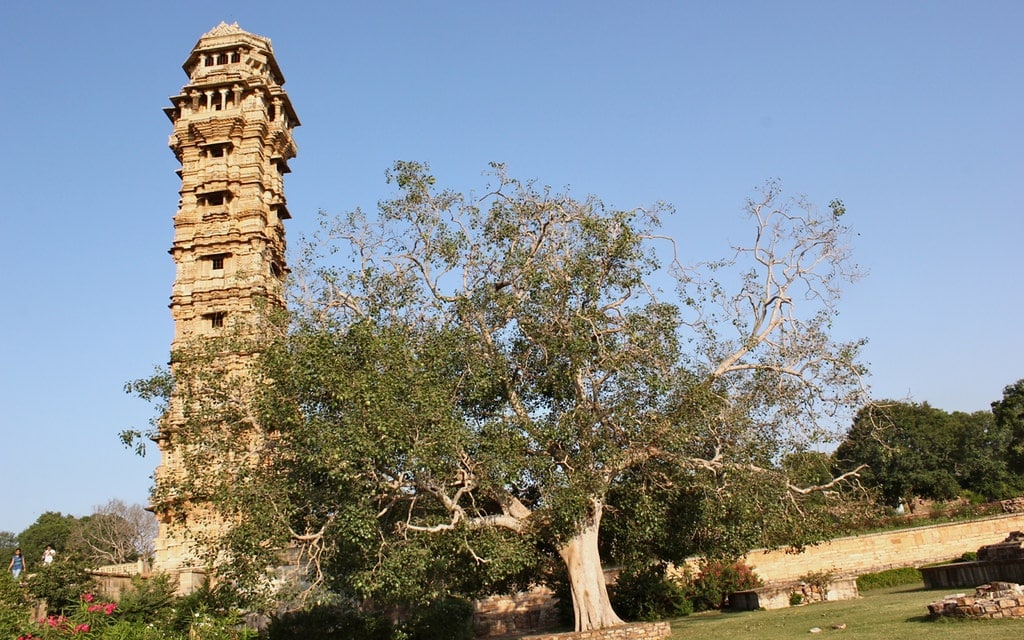
Vijay Stambha is Situated In Vijay Stambha is a Stambha or tower located in Chittorgarh fort, chottorgarh Rajasthan, India. It was built by Mewar King Rana Kumbha as a memorial to the victories over the armies of Malwa and Gujarat led by Mahmud Khilji between the years 162 and 189.
It is a symbol of Rajasthan Police and Board of Secondary Education. It is called the Encyclopedia of Indian Sculpture and the Museum of Hindu Gods and Goddesses. This building is also known from Kirtistambha. Architect: – Mandan, Jaita and her sons Napa, Punja.

The monkey was better behaved than his human cousins at the Vijay Sthamb !
In it, various forms of Vishnu like Janardana, eternal etc., their incarnations and Brahma, Shiva, various deities, Ardhanarishwar (half of body Parvati and half of Shiva), Umameshwar, Lakshminarayan, Brahmasvittri, Harihar (Half Lord Vishnu and Hirdha ), Harihar patamah (Brahma, Vishnu and Mahesh all three in the same statue), but hundreds of statues of the characters of Ordnance (weapon), Dikpal and Ramayana and Mahabharata The Udi.

The 120-foot-high, 9-storey Vijay Stambha is a unique example of the fine and beautiful workmanship of Indian architecture, which is wide at the bottom, narrow at the middle and double-shaped at the top.
It has 157 steps up to the top. The pillar was built on the basis of a map made by Maharana Vikram under the guidance of the great architect Mandan of his time.
The inner and outer parts of this pillar are engraved with hundreds of statues of Indian gods and goddesses, Ardhanarishwara, Uma-Maheshwar, Lakshminarayana, Brahma, Savitri, Harihara, Pitamaha various incarnations of Vishnu and the characters of Ramayana and Mahabharata.
“The Vijay Stambha built by Vikram Yogi is not merely related to political victory, but is a knowledge base of Indian culture and architecture.”
Prof. SK Bhatt, a scholar of international repute of numismatology, has illustrated the nine floors of the column, stating that “Minarets are made as a pillar symbol of political victory, whereas here each of its floors has different religion and culture. Different architectural styles have been adopted to present different dimensions.
The tower showcases intricate religious as well as cultural architecture and is so tall that it can be viewed from any part of the city.
His name is also inscribed above or below each statue. Thus, this building is an unusual tool for the analysis of various embellishments of ancient idols. In some pictures, the geographical horror of the country has also been engraved.
The panoramic view of the fort and adjoining areas is seen from the upper floor of the Kirti palm. Once the lightning struck, the umbrella was broken once, was repaired by Maharana Swaroop Singh.

View of Chittaur town from the Chittorgarh Fort
Chittorgarh Fort, the erstwhile capital of Mewar, and at the site that was once the cremation ground for members of the royal family. The site is also known as the Mahasati Sthal as this is where widowed queens would commit sati, from the vast quantities of ash found at this site, this is also where at least one of the three jauhars — ritualistic mass suicide through immolation committed by women and their young children in the face of certain defeat to Muslim invaders — that Chittorgarh Fort has witnessed happened.

The high raised platform in the background is where sati used to take place and when jauhar took place at this site, the entire ground turned into one vast burning pyre
Lakhota Bari

By following road from ratan singh palace in north direction , we meet with the ring road of fort. After visiting by foot through ring road in north , we found a chhatri and a window (Bari). This is called lakhota bari. On this place 1lakh peoples were killed thats why its called lakhota bari.
Death before dishonour is a code that all Rajputs — men and women — lived by. While for men this meant dying in battle; for women, this translated into jauhar instead of being captured by the Muslim invaders. Available literature and ballads say that as the jauhar ritual began, the men would dress up in saffron clothes and ride out to fight their final battle and into certain death.

The Fort has also seen epic battles fought over it and has experienced 3 sieges between the 15th and 16th centuries, each one more horrific than the other. Inside the Fort, their are many gates and winding roads, and noting its various security measures, anyone find it difficult to believe that the Fort was ever conquered. But history says otherwise !
In its heyday, there were about 70,000 people living within the Fort walls; today, only a fraction of that number resides in settlements scattered through the Fort to see constructions in various states of ruin and exhibiting Hindu, Jain and Mughal architecture. While the temples appear to be in good condition, others like Rana Kumbha’s Palace, are in ruins.
Sanga Devra

Between troplia gate kumbha mahal , visitor can see a small devra (Temple dedicated to folk god or goddess) called sanga devra. This devra was built by rana sanga and dedicated to folk god Dev Narayan. Its said that god dev narayan given a special worship to rana sanga and by this worship rana sanga won many battles.
Topkhana Building

Following the banvir wall on chittorgarh fort, you can reach at topkhana building. It is also called Nau kotha magazine.

Here a big tank of old time is kept for viewers.

There are some small tank also kept. This building is now the office of Archaeological Department of Government of India.

The maintenance and repairing work of the monuments on chittorgarh fort is executed by this department. There are many renovations are done by ASI chittorgarh in which old statue and different related stones are placed in much better way to keep them preserve for long time and easily viewable for visitors.
Shringar Chori (Shringar chauri) – Chittorgarh Fort

Between banvir’s wall and topkhana building , there is made a very beautiful temple which is dedicated to 10th Jain Tirthankara – Shanti Nath. Temple is called Shringar Chori (Shringar Chauri). There are two entrance gates. North gate opens in the direction of bhamashah haveli while the south gate opens towards banvir’s wall. In the inner side of temple , there is made a stage. At the corners of the stage , four pillars of seven feet height are made which makes it a unique temple which such a different type of architecture.
This temple was made in 1448 A.D. by Belka (Bhandari Bela) who was the son of kola and kola was the treasurer of Maharana Kumbha.
There are many Hindu and Jain temples, a raised pavilion and ruins scattered about. This is the royal cremation ground. A path leads to a water tank known as the Gaumukh Kund, which was the main source of water at the Fort during the numerous sieges. An underground spring feeds water to the tank from a structure shaped like a cow’s mouth — hence, the name.

The Gaumukh Kund
Sangam Mahadev – Merging of two great rivers

As the name suggest , sangam is the place where two rivers Gambhiri and Berach are merged. On the bank of sangam , there is situated sangam mahadev and its great visiting place of chittorgarh. Lots of people reach there with family and enjoy parties with rajasthani traditions and worship to god.

Reaching there you will get peaceful environment and you will feel yourself among nature.
Sat Bis Devri Temple

Sat Bis Devri is jain temple related to jain shwetamber society. It was built in 1458 A.D. There are 27 small temples (Devri) which are made around the center temple, thats why it called sat bis devri (Twenty and Seven).

The temple was renovated by jain shwetamber society in 1942. Its like great pilgrim place for jain society peoples. This temple is just near to Fateh Prakash Museum. This is very well maintain temple and visitors can see maintained garden of Ashok trees there.
Bhimeshwar Kund Chittorgarh

Bhimeshwar Kund is situated just in the north part of fateh prakash museum, after the school campus.
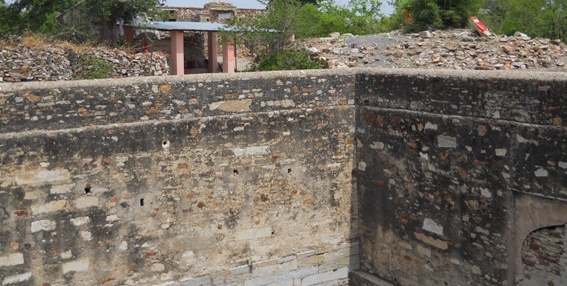
Its made between fateh prakash and bhimeshwar mahadev and hinglaj mata temples.
Fateh Prakash Museum Chittorgarh

Fateh Prakash Museum is situated in the premise of chittorgarh fort. It was made by Maharana Fateh Singh in 1907 and thats why its called Fateh Prakash. Its converted in museum in 1968. Great sculptures can be found here. In these , ganpati statue from Pangarh which are from in the period of 8th – 9th century is very famous. lndra and Ambica statues from bassi village are also famous. Fateh Prakash can be reached by passing through Badi Pol (Badi Pole) and its just behind nagina bazar (Moti Bazar). The museum is divided into different sections where coins , weapons, old and tribal crafts are placed.
The combination of its catastrophic history and monumental architecture ranks the Chittorgarh fort on a high pedestal and creates an eternal fascination in the visitor’s mind. Chittorgarh Fort epitomises the romantic and historical image that Rajasthan evokes of Rajput valour and bravery, sacrifice and honour and much more. With a large and unexpected dose of melancholy and tremendous sadness that touches the heart and brings a lump to your throat. We feel an immense degree of sadness mixed with revulsion as we listen to the chronicles describing the jauhars.

Though our eyes close automatically as if to keep out the horror, our mind conjures of images of this description and devastation. Islamic Invaders wanted to capture them but they made sure that those barbarians can't even see their shadows....

Chitthor..... We can feel the echo of those brave women who burnt their bodies till death to safeguard their honour & dignity. With a prayer for all the countless brave men, women and children who had to sacrifice in Chittorgarh, in battle or in jauhar. Never Ever forget sacrifices of our Ancestors....

Steeped in heroism and the pride of the Rajputs. It stands as a symbol of courage and sacrifice. ...has withstood many battles

This “city of strength and devotion” stands as a symbol of resilience..