Israel 6 day war on 3 Fronts in modern setup, whole world knows but how many knows about our country 6 year war on 3 Fronts, Where one India legendary Hindu Rajput king in medieval setup, expand similarly by demolishing all neighbour Countries Forces Single Handedly that too for 20 years...
There is no Struggle more Supreme then a determined struggle of Brave People for the maintenance of their liberty, religion & culture.

INVINCIBLE IN MORE THEN 100 BATTLES THE ERASED UNDERATED SOVEREIGN FROM HISTORY ONE AND ONLY THE LION KING OF MEWAR THE GREAT HINDU SURRATNA MAHARANA KUMBHA

For Resistance and Regaining Hindupat under Mewadi Immortal MahaRana's aginst all odds which this last Civilization survived aginst all Lowly desert cult Hordes for whole lot of Millenia.

History Notes ::This Statue is not of MahaRana Sangha or MahaRana Pratap Singh or MahaRana Amar Singh or MahaRana Uday Singh
But of a Great Warrior whose blood flown into all Brave kings mentioned above
An Underrated Commander, Erased from History one and only Hindu SurRatna MahaRana Kumbha of Mewar.

Numerous Warrior Kings have made tremendous contributions in Mewar's glorious history, but Maharana Kumbha is known for securing the boundaries of the state.
Amongst Rajput rulers, the flowering of arts and culture during Kumbha's reign is exceeded only by another Rajput King Bhoja Paramara (Bhoja I).
Maharana Kumbha was a scholar in craftsmanship and a famous architect of his era. Maharana Kumbha is credited for the construction of 32 forts, out of 84 forts in Mewar. The notable architects of Maharana Kumbha's constructions were Shilpacharya - Mandan and Jaita.

Chittor fort: was built in the 7th century CE. To protect this fort from the Malwa invasion, Maharana Kumbha changed the entrance of the fort. He constructed Padanpol, Bhairavpol, Hanumanpol, Ganeshpol, Lachmanpol, Jodlapol and Rampol (gates). The palace of Maharana Kumbha, the Kirti (Vijay) Stambh, the temple of Kumbha Swamy, Shringar Chavari, Satbisi Devra are unique examples of the architecture of Maharana Kumbha at Chittor.

Kumbhalgarh: was built by Maharana Kumbha in 1458 CE for protection from Godwar. From entrance four gates were constructed namely Aretpol, Hanumanpol, Rampol and Hallapol and the palace of Maharana Kumbha in the citadel, Mamadeva temple (Vikram Samvat 1515), Yagvedi, Parshvanath temple and Bawan Jain temple, Temple group of Golerao, Peetalshah Jain Temple, Neminath Temple, and 36 km wall was constructed around the fort.

"महाराणा कुम्भा का जीवन परिचय"
* जन्म - १४१७ ई.
(कई जगह १४२७ ई. लिखा है, जो कि सही नहीं है)
* महाराणा मोकल - ये महाराणा कुम्भा के पिता थे | चाचा, मेरा, इक्का, महपा पंवार वगैरह गद्दारों ने महाराणा मोकल की हत्या कर दी| इस वक्त कुंवर कुम्भा बालक थे |
* सौभाग्य देवी - ये महाराणा कुम्भा की माता थीं | ये परमार राजा जैतमल सांखला की पुत्री थीं | कहीं-कहीं इनका नाम माया कंवर व सुहागदे भी लिखा गया है |
* महाराणा कुम्भा के उपनाम - राज गुरु, तात गुरु, चाप गुरु (धनुर्विद्या का शिक्षक), छाप गुरु, हाल गुरु, शैल गुरु (भाला सिखाने वाला) परम गुरु, नाटकराज का कर्ता, धीमान, राणो रासो, राणे राय, गणपति, नरपति, अश्वपति, हिन्दु सुरत्राण, अभिनव भरताचार्य (नव्य भरत), नंदिकेश्वरावतार, राजस्थान में स्थापत्य कला का जनक
* महाराणा कुम्भा द्वारा रचित ग्रन्थ/कृतियाँ - संगीतमीमांसा, गीतगोविन्द, सूडप्रबन्ध, कामराज रतिसार, संगीतराज, रसिकप्रिया, एकलिंग महात्म्य का प्रथम भाग (कुल १०-१२ ग्रन्थ)
* मंडन - ये महाराणा कुम्भा का राज्याश्रित शिल्पी एवं विद्वान था
* गोविन्द - ये मंडन का पुत्र था
* रमाबाई - ये महाराणा कुम्भा की पुत्री थीं, जिनका विवाह गुजरात में गिरनार के राजा मण्डलीक से हुआ था | रमाबाई संगीतशास्त्र की ज्ञाता थीं | इन्हें वागीश्वरी नाम से भी जाना जाता है |
* इन्द्रादे - ये भी महाराणा कुम्भा की पुत्री थीं, जिनका विवाह आमेर के राजा उद्धरण कछवाहा से हुआ |
"इतिहास"
१४३३ ई.
* इस वर्ष महाराणा कुम्भा का राज्याभिषेक हुआ
(कर्नल जेम्स टॉड ने महाराणा कुम्भा के राज्याभिषेक का वर्ष १४१८ ई. बताया है व उनकी पत्नी का नाम मीराबाई बताया है, जो कि सही नहीं है | मीराबाई तो महाराणा कुम्भा के १०० वर्ष बाद की थीं)
* महाराणा मोकल के मामा मारवाड़ के रणमल्ल थे
रणमल्ल चित्तौड़ आए और चाचा व मेरा को मारने के लिए 500 सवारों के साथ निकले और कई जगह धावे बोले
चाचा व मेरा अपने साथी राजपूतों के हाथों मारे गए
इक्का (चाचा का बेटा) और महपा पंवार भागकर मांडू के सुल्तान महमूद की शरण में चले गए
* राघवदेव (महाराणा कुम्भा के काका) और रणमल्ल के बीच खटपट हो गई
रणमल्ल ने धोखे से राघवदेव की हत्या कर दी, जिसका हाल कुछ इस तरह है कि रणमल्ल ने राघवदेव को तोहफे में अंगरखा दिया, जिसकी दोनों बाहों के मुंह सीये हुए थे | जब राघवदेव ने अंगरखा पहना तो उनके दोनों हाथ फँस गए, इतने में रणमल्ल ने तलवार से राघवदेव की हत्या कर दी |
* महाराणा कुम्भा ने जनकाचल पर्वत व आमृदाचल पर्वत पर विजय प्राप्त की
१४३७ ई.
* महाराणा कुम्भा ने देवड़ा राजपूतों को पराजित कर आबू पर अधिकार किया
१४३७-३८ ई.
* महाराणा कुम्भा ने मांडलगढ़ पर हमला कर विजय प्राप्त की
मांडलगढ़ पर हाडा राजपूतों के सहयोगियों का कब्जा था
* इन्हीं दिनों में महाराणा ने खटकड़ पर हमला कर विजय प्राप्त की
* कुछ दिन बाद जहांजपुर पर हमला किया | काफी मशक्कत के बाद महाराणा कुम्भा ने जहांजपुर पर विजय प्राप्त की |
* महाराणा कुम्भा ने गागरोन जैसे सुदृढ़ दुर्ग पर हमला किया व कुछ ही समय में किला जीतकर अचलदास खींची के पुत्र प्रहलानसिंह को दे दिया
१४३९ ई.
* महाराणा कुम्भा ने मांडू के सुल्तान महमूद को खत लिखा कि "हमारे पिता के हत्यारे महपा पंवार को हमारे सुपुर्द कर दिया जावे तो ठीक वरना मुकाबले को तैयार रहना"
महमूद ने इस खत का बहुत ही सख्त जवाब दिया और महपा को महाराणा के सुपुर्द करने से साफ इनकार किया
महाराणा कुम्भा ने फौज समेत मांडू की तरफ कूच किया | इस वक्त रणमल्ल भी महाराणा के साथ था |
बड़ी सख्त लड़ाई के बाद महमूद भागकर मांडू के किले में चला गया, पर थोड़ी देर बाद फिर बाहर निकला
महपा पंवार तो भाग निकला, पर सुल्तान महमूद को महाराणा कुम्भा ने कैद कर लिया और बन्दी बनाकर चित्तौड़ ले आए
६ माह बाद कुछ दण्ड (जुर्माना) लेकर छोड़ दिया
(महमूद को छोड़ने के बाद उसने मेवाड़ पर ७-८ बार हमले किए, जिसका हाल मौके पर लिखा जाएगा)
"विजय स्तम्भ"

इस विजय का चिन्ह विजय स्तम्भ है, जो कि चित्तौड़गढ़ में स्थित एक स्तम्भ या टॉवर है | ये १४४२-४९ ई. में बनवाया गया |
१२२ फीट ऊंचा, ९ मंजिला विजय स्तंभ भारतीय स्थापत्य कला की बारीक एवं सुन्दर कारीगरी का नायाब नमूना है, जो नीचे से चौड़ा, बीच में संकरा एवं ऊपर से पुनः चौड़ा डमरू के आकार का है | इसमें ऊपर तक जाने के लिए १५७ सीढ़ियाँ बनी हुई हैं | स्तम्भ का निर्माण महाराणा कुम्भा ने अपने समय के महान वास्तुशिल्पी मंडन के मार्गदर्शन में उनके बनाये नक़्शे के आधार पर करवाया था | इस स्तम्भ के आन्तरिक तथा बाह्य भागों पर भारतीय देवी-देवताओं, अर्द्धनारीश्वर, उमा-महेश्वर, लक्ष्मीनारायण, ब्रह्मा, सावित्री, हरिहर, पितामह विष्णु के विभिन्न अवतारों व रामायण एवं महाभारत के पात्रों की सेंकड़ों मूर्तियां उत्कीर्ण हैं | विजय स्तम्भ का संबंध मात्र राजनीतिक विजय से नहीं है, वरन् यह भारतीय संस्कृति और स्थापत्य का ज्ञानकोष है |
* महाराणा कुम्भा ने नराणा, मलारणा, अजमेर, मोडालगढ़, खाटू, जांगल प्रदेश, कांसली, नारदीयनगर, हमीरपुर, शोन्यानगरी, वायसपुर, धान्यनगर, सिंहपुर, बसन्तगढ़, वासा, पिण्डवाड़ा, शाकम्भरी, सांभर, चाटसू, खंडेला, आमेर, सीहारे, जोगिनीपुर, विशाल नगर पर विजय प्राप्त की
यहां के कुछ शासकों से महाराणा ने कर भी वसूल किया
* महाराणा कुम्भा ने जानागढ़ दुर्ग पर विजय प्राप्त की व अपने किसी सर्दार को वहां मुकर्रर किया
कुछ समय बाद मालवा के सुल्तान महमूद खिलजी ने जानागढ़ पर हमला किया | किले में राजपूतानियों ने जौहर किया, पर ये जौहर इतिहास में प्रसिद्ध नहीं हुआ |
* महाराणा ने हमीरनगर पर विजय प्राप्त की व यहां के राजा की पुत्री से विवाह किया
* महाराणा कुम्भा ने गुजरात के बीसलनगर पर हमला किया
* कोटड़ा मेवाड़ के हाथों से निकल गया था | महाराणा ने कोटड़ा पर विजय प्राप्त कर उसे फिर से मेवाड़ में मिलाया |
* महाराणा कुम्भा के भाई क्षेमकरण (खेमा) महाराणा से नाराज़ होकर मालवा के सुल्तान मुहम्मद खिलजी के पास चला गया | सुल्तान ने खेमा को जागीर दी |
१४४२ ई.
* १४३९ ई. में जब महाराणा कुम्भा ने मांडू के बादशाह महमूद खिलजी प्रथम को कैद कर छोड़ दिया, तो 3 वर्ष बाद उसने बदला लेने की नियत से फिर मेवाड़ पर चढाई की
महमूद अपनी फौज के साथ पहाड़ों के किनारे-किनारे होता हुआ सीधा कुम्भलगढ़ की तरफ गया
महाराणा कुम्भा चित्तौड़गढ़ व कुम्भलगढ़ दोनों जगह नहीं थे | महाराणा इस वक्त चित्तौड़गढ़ के पूर्व की तरफ पहाड़ों में किसी पर चढाई करने गए थे |
महमूद कुम्भलगढ़ से पहले केलवाड़ा गाँव में आया, तभी कुम्भलगढ़ से दीपसिंह के नेतृत्व में राजपूतों की एक फौजी टुकड़ी केलवाड़ा में बाण/बायण माता के मन्दिर पहुंची
७ दिन तक लड़ाई चली और दीपसिंह अपने सभी राजपूतों समेत वीरगति को प्राप्त हुए
(महमूद ने इस मन्दिर के साथ जो किया वो हम बयां नहीं कर सकते)
मन्दिर की फतह से खुश होकर महमूद ने कुम्भलगढ़ दुर्ग फतह करने का इरादा किया, पर दुर्ग की तलहटी में थोड़ी-बहोत लड़ाई करके किला जीतना नामुमकिन देखकर वहां से चला गया
महमूद ने चित्तौड़गढ़ पर फतह हासिल करने का इरादा किया
सख्त लड़ाई के बाद महमूद को कामयाबी मिली और वह अपनी बहुत सी फौज को चित्तौड़गढ़ पर मुकर्रर करके महाराणा की खोज में निकला
महमूद ने आज़म को फौजी टुकड़ी के साथ महाराणा के मुल्क को तबाह करने मन्दसौर की तरफ भेजा | आज़म मन्दसौर में ही मर गया या मारा गया |
महाराणा कुम्भा ने मांडलगढ़ के पास आकर महमूद से मुकाबला किया
(इस लड़ाई में दोनों तरफ के इतिहासकारों ने अपनी-अपनी विजय का उल्लेख किया है)
कुछ समय बाद महाराणा ने फिर से महमूद से मुकाबला किया | इस दफ़ा महमूद भागकर मांडू चला गया और चित्तौड़गढ़ पर महाराणा कुम्भा ने अधिकार किया
* महाराणा कुम्भा ने धान्य नगर व वृन्दावती पुरी (गागरौन) को जलाकर नष्ट किया
"रणमल्ल की हत्या"
१४४३ ई.
* इक्का व महपा पंवार महाराणा कुम्भा के पास आए और अपने कुसूर की माफी मांगी | महाराणा ने दोनों को माफ कर दिया | इन दोनों ने महाराणा को बहकाने की बहुत कोशिश की कि रणमल्ल तो मेवाड़ पर कब्जा कर लेगा | हालांकि महाराणा को थोड़ा शक हुआ, पर यकिन न हुआ |
* फिर एक दिन रणमल्ल ने शराब के नशे में महाराणा कुम्भा का कत्ल करने की बात अपनी प्रेयसी भारमली को कह दी | भारमली मेवाड़ के प्रति वफादार थी, जिस वजह से ये बात महाराणा तक पहुंची |
* महाराणा कुम्भा ने सलूम्बर के पहले रावत साहब चूंडा को बुलावा भिजवाया
चूंडा के आने से रणमल्ल को भी शक हुआ कि उसका अन्त करीब है, तो उसने अपने बेटे जोधा और कांधल को बुलाकर कहा कि किले के नीचे खड़े रहो और जब तक मैं न कहुं तब तक ऊपर न आना
* इसी रात महाराणा ने भारमली, इक्का व महपा पंवार को कुछ सैनिकों समेत रणमल्ल की हत्या करवाने भेजा
रणमल्ल ने ३ मेवाड़ी सैनिकों को मार दिया व खुद भी कत्ल हुआ
(मुहणौत नैणसी ने ३ के स्थान पर १६ मेवाड़ी सैनिकों के मरने की बात लिखी)
* इसी वक्त एक बुढिया ने किले से आवाज़ दी, जो इतिहास में बड़ी प्रसिद्ध हुई | बुढिया ने कहा "ज्यांका रणमल्ल मारिया जोधा भाग सके तो भाग"
* जोधा भी बड़े बहादुर योद्धा थे | इस वक्त वे अपने साथी राजपूतों समेत दुर्ग की तलहटी में थे |
रावत चूंडा भी सैनिकों समेत तलहटी पहुंचे और बड़ी सख्त लड़ाई हुई
इस लड़ाई में जोधा कि तरफ से जो राजपूत काम आए, उनके नाम कुछ इस तरह हैं
शिवराज
पूना भाटी
भीमा
वैरीशाल
बरजांग भीमावत
भीम चुण्डावत (राव जोधा के काका)
चरढ़ा चन्द्रावत
पृथीराज ईंदा
जोधा और कांधल दोनों मांडल के तालाब पर पहुंचे | वहां से ये मारवाड़ चले गए |
रावत चूंडा भी मारवाड़ पहुंचे और मंडोवर पर कब्जा कर लिया
रावत चूंडा ने अपने पुत्रों कुन्तल, मांजा व सूवा को वहां तैनात किया
"दुखद किस्सा"
* एक दिन महाराणा कुम्भा दरबार लगा कर बैठे थे, तभी मारवाड़ के रणमल्ल के भतीजे नरबद की बात निकली | सभी सर्दारों का कहना था कि नरबद से जो मांगो वह दे देता है |
महाराणा ने कहा कि एेसा तो सम्भव नहीं, पर सर्दारों ने फिर अपनी बात दोहराई
महाराणा ने अपने किसी आदमी को ये कहकर नरबद के मकान पर भेजा कि "नरबद से उसकी आँख मांगना और अगर वो निकालने लगे तो उसे निकालने मत देना"
(नरबद की एक आँख कुछ वर्ष पहले ही युद्ध में फूट गई थी)
जब उस आदमी ने आँख मांगी, तभी नरबद को अंदाजा लग गया कि ये महाराणा का आदमी है और मुझे आँख निकालने नहीं देगा
फिर भी नरबद ने चुपके से अपनी आँख निकाल ली और उसे दे दी
ये खबर महाराणा कुम्भा को मिली, तो वे उसी वक्त नरबद के मकान पर पहुंचे और बहुत पछताये

१४४३ ई.
* इस वर्ष मालवा के सुल्तान महमूद ने गागरोन पर चढाई की
इस वक्त गागरोन का राजा राव प्रहलानसिंह खींची था, जिसे महाराणा कुम्भा ने गागरोन दुर्ग विजय कर सौंपा था
सुल्तान के हमले से राव प्रहलानसिंह वीरगति को प्राप्त हुए
फारसी तवारिख मासिर-इ-मोहम्मदशाही के मुताबिक जब इस घटना की खबर महाराणा कुम्भा को मिली, तो महाराणा ने कहा कि "सुल्तान इस विजय को बहोत बड़ी विजय न माने, क्योंकि इतनी सी ज़मीन तो मैं भाटों को दान में दे देता हूँ"
* महाराणा कुम्भा ने मल्लारगढ़ को जलाकर नष्ट किया व वहां के मालिक को कैद किया
* महाराणा कुम्भा ने हजारों शत्रुओं को मारकर रणथम्भौर दुर्ग पर विजय प्राप्त की
* डूंगरपुर के रावल गोपीनाथ ने महाराणा की अधीनता स्वीकार नहीं कि जिस वजह से महाराणा कुम्भा ने डूंगरपुर पर हमला किया
रावल गोपीनाथ बिना लड़े ही भाग निकला व महाराणा ने डूंगरपुर को लूट लिया
* बदनौर के पास मेरों ने बगावत कर दी
महाराणा कुम्भा ने मेरों के सरदार मुन्नीर को पराजित कर बगावत कुचल दी
१४४६ ई.
*४ वर्ष बाद फिर मांडू के महमूद ने मेवाड़ पर चढाई की
मांडलगढ़ के पास बनास नदी के किनारे दोनों सेनाओं में मुकाबला हुआ
महमूद फिर पराजित होकर भाग निकला
१४४९ ई.
* मारवाड़ के राव जोधा ने मंडोवर पर हमला कर अपना कब्जा जमाया
मंडोवर पर तैनात मेवाड़ के रावत चूंडा के 3 पुत्र कुन्तल, मांजा व सूवा वीरगति को प्राप्त हुए
* आवल-बावल की सन्धि - ये सन्धि हंसाबाई (महाराणा कुम्भा की दादी व राव जोधा की बुआ) के प्रयासों से हुई | इसके तहत मेवाड़-मारवाड़ की सीमाओं का निर्धारण किया गया |
* राव जोधा ने अपनी पुत्री श्रृंगार देवी का विवाह महाराणा कुम्भा के पुत्र रायमल्ल से करवाकर आपसी बैर मिटाया
१४५४ ई.
* मांडू के बादशाह महमूद खिलजी ने मेवाड़ पर चढाई की
उसने अपने बेटे गयासुद्दीन को रणथम्भौर की तरफ भेजा और खुद चित्तौड़ की तरफ निकला
कामयाबी नहीं मिलने वह फिर लौट गया
१४५५ ई.
* महमूद ने मन्दसौर पर चढाई की
मन्दसौर पर महाराणा कुम्भा ने गजाधर को तैनात कर रखा था
४ दिन तक चले युद्ध में महमूद की फौज से लड़ते हुए गजाधर कई राजपूतों समेत वीरगति को प्राप्त हुए
ख्वाजा निअमतुल्ला को मन्दसौर का किला सौंपकर महमूद ने मांडलगढ़ की तरफ कूच किया
बनास नदी के किनारे महमूद की फौज से मेवाड़ी बहादुरों ने मुकाबला किया और महमूद शिकस्त खाकर भाग निकला
* मालवा के बादशाह का बेटा उमर खां अपने बाप से बगावत कर महाराणा कुम्भा की शरण में आया
उमर खां कई महीनों तक मेवाड़ में रहने के बाद बादशाह से मुकाबले में मारा गया

१४५८ ई.
* नागौर के मुस्लिमों ने गोवध जैसे हिन्दु विरोधी कार्य किए, जिस वजह से खफ़ा होकर महाराणा कुम्भा ने नागौर पर हमला कर हज़ारों मुसलमानों को मारकर किला फतह किया
महाराणा ने नागौर किले को तहस-नहस कर दिया
घटना के १०० वर्ष बाद लिखे गए ग्रन्थ तबकात-ए-अकबरी के अनुसार "राणा कुम्भा ने नागौर में फसलों का नामोनिशान तक नहीं छोड़ा"
इस ग्रन्थ में राणा कुम्भा द्वारा नागौर में मुस्लिम प्रजा को भी मारने का हाल लिखा है
नागौर का हाकिम भागकर गुजरात के बादशाह कुतुबुद्दीन के पास पहुंचा
महाराणा कुम्भा ने नागौर के किले से माल, घोड़े, हाथी वगैरह लूट लिए | नागौर के किले में जो हनुमान जी की मूर्ति थी, वो महाराणा कुम्भलगढ़ ले आए, जो अभी तक हनुमान पोल दरवाजे पर मौजूद है |
महाराणा कुम्भा ने नागौर किले में फिरोजशाह द्वारा मंदिर को तोड़कर बनवाई गई मस्जिद को तुड़वा दिया
महाराणा ने नागौर के डीडवाना में स्थित नमक की खान से कर लिया
२३ नवम्बर, १४५८ ई.

* मालवा का सुल्तान महमूद खिलजी चित्तौड़ की तरफ रवाना हुआ
उसने अपने बेटे शहजादे गयासुद्दीन को मगरा व भीलवाड़ा को लूटने भेजा
शहजादे गयासुद्दीन ने फिदाई खां और ताज खां के साथ केसूंदी का किला फतह किया
(तारीख फरीश्ता में महमूद के चित्तौड़ की तरफ रवाना होने की बात तो लिखी है, पर उसके आगे किसी लड़ाई का जिक्र ना करके महमूद के मांडू की तरफ जाने का हाल लिखा है | सम्भव है महमूद महाराणा से पराजित होकर मांडू की तरफ लौट गया हो)
* इन दिनों आबू के देवड़ा राजपूतों ने महाराणा के खिलाफ बगावत कर दी
महाराणा कुम्भा ने राव शलजी के बेटे नरसिंह डोडिया को फौज देकर आबू की तरफ भेजा
आबू के देवड़ा राजपूतों ने महाराणा की अधीनता स्वीकार कर ली
महाराणा के हुक्म से नरसिंह डोडिया ने आबू में महल व तालाब बनवाया
१४६१ ई.
* मांडू के सुल्तान महमूद खिलजी ने मेवाड़ पर चढाई की और आहड़ पर डेरा डाला
वहां से महमूद डूंगरपुर चला गया व डूंगरपुर रावल से 2 लाख रुपया फौज खर्च लेकर मांडू चला गया
१४६३ ई.
* गुजरात के सुल्तान मोहम्मद बेगड़ा ने जूनागढ़ (गुजरात) पर हमला किया
जूनागढ़ के शासक राजा मंडलीक (रमाबाई के पति व महाराणा कुम्भा के दामाद) थे
महाराणा कुम्भा ने राजा मंडलीक को सैनिक सहायता दी, जिससे सुल्तान पराजित हुआ
1467 ई.
* गुजरात के बादशाह कुतुबुद्दीन ने मेवाड़ पर चढाई की व सिरोही को लूटता हुआ कुम्भलगढ़ पहुंचा
कुम्भलगढ़ के समीप महाराणा कुम्भा से पराजित होकर कुतुबुद्दीन अपने मुल्क लौट गया

"महाराणा कुम्भा के देहान्त का हाल"
* महाराणा कुम्भा कुम्भलगढ़ से एकलिंग जी के दर्शन को कैलाशपुरी पधारे, जहां मन्दिर के बाहर एक गाय बड़ी जोर से हम्माई | महाराणा का ध्यान गाय की तरफ गया, पर फिर मन्दिर के अन्दर पधारकर सीधे कुम्भलगढ़ के लिए निकले |
अगले दिन दरबार करने तक महाराणा ने एक शब्द तक नहीं बोला | दरबार से अचानक तलवार हाथ में ली और बोले "कामधेनु तंडव करिय" |
जब कोई दरबारी महाराणा से कुछ सवाल करता, तब महाराणा सिर्फ इसी शब्द का उच्चारण करते
दरअसल महाराणा कुम्भा को उन्माद रोग हो गया था
किसी की हिम्मत न हुई की महाराणा से इस शब्द का कारण पूछे, तब महाराणा के छोटे पुत्र रायमल्ल ने पूछा कि आप बार-बार इस शब्द का उच्चारण क्यों कर रहे हैं, तो महाराणा कुम्भा ने रायमल्ल को देश निकाला दे दिया
महल से बाहर निकलकर सभी सर्दारों ने रायमल्ल से कहा कि आपको देश छोड़कर जाने की जरुरत नहीं है | आप महाराणा के उन्माद रोग के ठीक होने तक बस कुछ दिनों के लिए अपने ससुराल ईडर चले जावें |
रायमल्ल ईडर चले गए
(महाराणा कुम्भा का देहान्त महादेव मन्दिर में व कटारगढ़ में होना गलत है)
दरअसल एक दिन महाराणा कुम्भा उन्माद रोग के चलते कुम्भलगढ़ दुर्ग में स्थित मामादेव के कुण्ड पर खयालों में खोये हुए थे, तभी महाराणा कुम्भा के ज्येष्ठ पुत्र उदयसिंह प्रथम (उदा) ने इस अवसर का लाभ उठाकर पीछे से तलवार से वार कर महाराणा का सर काट दिया
इस तरह 51 वर्ष की आयु में महाराणा कुम्भा का देहान्त हुआ

कुम्भलगढ़ का मामादेव मंदिर (कुम्भश्याम ) वो स्थान जंहा महाराणा कुम्भा की हत्या हुई थी
महाराणा कुम्भा ने कुम्भलगढ़ दुर्ग के निर्माण के साथ दुर्ग की तलहटी में मामादेव मंदिर का निर्माण करवाया था मगर विधि की बिडंबना के चलते 1468 ईस्वी में उसी मंदिर के कुंड के बाहर उनकी ह्त्या हुई थी। अपने जीवन के आखिरी वर्षो में महाराणा कुम्भा उन्मांद रोग से ग्रसित हो गये थे और अजीब सा व्यवहार करने लग गए थे और जब एक बार प्रतिदिन के नियमानुसार वो मामादेव के मंदिर में पूजा अर्चना करने के बाद मंदिर के बाहर स्थित कुंड पे बैठे थे तो उनके ज्येष्ठ पुत्र उदा ने मेवाड़ की सत्ता हथियाने के इरादे से उन्हें धोखे से पीछे से कटार का वार करके उनकी हत्या कर दी थी मगर शीघ्र ही पितृहन्ता उदा को उसकी करनी का फल मिल गया मेवाड़ की प्रजा और सारे सरदार उसके विरोधी हो गए और उसी के छोटे भाई रायमल ने १४७३ ईस्वी में उन्हें जावर ,जावी पानगढ और चित्तौड़गढ़ के युद्धों में परास्त कर राजगद्दी से च्युत कर मेवाड़ का शासक बन गया। कहते है बाद में उदा मेवाड़ से भाग कर मांडू के सुलतान की शरण में गया और उनकी सहायता से मेवाड़ पर आक्रमण करने की योजना बना रहा था तब मार्ग में बिजली गिर गयी और वो मारा गया। इस सम्बन्ध में एक कवी का कहा दोहा अत्यंत प्रसिद्द है।
उदा बाप न मारजै ,लिखियो लाभे राज
देश बसायो रायमल ,सरयो न एको काज।
* महाराणा कुम्भा ने अपने जीवनकाल में 10-12 ग्रन्थ लिखे, 32 दुर्ग बनवाए व 100 से ज्यादा युद्ध लड़े जिनमें से एक भी न हारे
* महाराणा कुम्भा के 11 पुत्र हुए -
1) महाराणा उदयसिंह प्रथम (उदा) - इसने अपने पिता को मारकर बड़ा भारी अपराध किया, जिसके चलते सभी सर्दार इससे खफ़ा हुए | सर्दारों ने रायमल्ल को ईडर से बुलाया | रायमल्ल और उदयसिंह के बीच कई लड़ाईयां हुईं | उदयसिंह ने 5 वर्ष तक मेवाड़ पर शासन किया | इसका हाल महाराणा रायमल्ल के भाग में लिखा जाएगा |
2) महाराणा रायमल्ल - उदयसिंह प्रथम के बाद ये शासक बने | इनका हाल अगले भाग में लिखा जाएगा |
3) कुंवर नगराज
4) कुंवर गोपालसिंह
5) कुंवर आसकरण
6) कुंवर अमरसिंह
7) कुंवर गोविन्ददास
8) कुंवर जैतसिंह
9) कुंवर महरावण
10) कुंवर क्षेत्रसिंह
11) कुंवर अचलदास

महाराणा कुंभा द्वारा निर्मित 32 दुर्ग :-
* विस्तार कार्य -
1. इसके अंतर्गत चित्तौडगढ का कार्य प्रमुख है, जिसमें महाराणा कुंभा ने प्रवेश का मार्ग बदलकर पश्चिम से पूर्व किया व नवीन पोलों, द्वारों का कार्य करवाया और सुदृढ प्रकार, परिखा का निर्माण भी करवाया
2. इसी प्रकार मांडलगढ का विस्तार किया गया
3. वसंतगढ़ (आबू) को उत्तर से लेकर पूर्व की ओर बढाया गया
4. अचलगढ़ (आबू) की कोट को किले के रूप में बढाया गया
5. और यही कार्य जालौर में भी हुआ
6. इसी प्रकार आहोर (जालोर) में दुर्ग की रचना को बढ़ाया गया जहां कि पुलस्त्य मुनि का आश्रम था
* स्थापना कार्य -

7. अपनी रानी कुंभलदेवी के नाम पर कुंभलगढ़ की स्थापना की गई | यह नवीन राजधानी के रूप में कल्पित था
8. इसी प्रकार जावर में किला बनाया गया
9. कोटड़ा में नवीन दुर्ग बनवाया
10. पानरवा में भी नवीन किला निर्मित किया व झाड़ोल में नवीन दुर्ग बने
यही नहीं, गोगुंदा के पास घाटे में निम्नलिखित स्थानों पर कोट बनवाए गए ताकि उधर से होने वाले हमलों को रोका जा सके -
11. सेनवाड़ा
12. बगडूंदा
13. देसूरी
14. घाणेराव
15. मुंडारा
16. आकोला में सूत्रधार केल्हा की देखरेख में उपयोगी भंडारण के लिए किला बनवाया गया
* जीर्णोद्धार कार्य -
17. धनोप
18. बनेड़ा
19. गढ़बोर
20. सेवंत्री
21. कोट सोलंकियान
22. मिरघेरस या मृगेश्वर
23. रणकपुर के घाटे का कोट
24. इसी प्रकार उदावट के पास एक कोट का उद्धार हुआ
25. केलवाड़ा में हमीरसर के पास कोट का जीर्णोद्धार किया
26. आदिवासियों पर नियंत्रण के लिए देवलिया में कोटडी गिराकर नवीन किला बनवाया
27. ऐसे ही गागरोन का पुनरुद्धार हुआ
28. नागौर के किले को नष्ट कर नवीन बनाया गया
29. एकलिंगजी मंदिर के लिए पिता महाराणा मोकल द्वारा प्रारंभ किए कार्य के तहत किला-परकोटा बनवाकर सुरक्षा दी गई। इस समय इस बस्ती का नाम 'काशिका' रखा गया जो वर्तमान में कैलाशपुरी है।
* नवनिरूपण कार्य –
30. चित्तौड़ में एक किले को नया रुप दिया
31. कैलाशपुरी में त्रिकूट पर्वत पर नवीनीकरण किया गया
32. भैंसरोडगढ किले को नवीन स्वरुप दिया गया

Remembering the great Polymath King, architecture enthusiast and the Warrior par excellence Maharana Kumbha on his Birthday anniversary. This year (15th January) marks his 605rd birth anniversary. To honour his contribution to the legacy of Mewar, month-long celebrations will commence at various locations. According to the folklore, Maharana Kumbha (Kumbhkaran) was born at village Madaria near Deogarh (Rajsamand District).

He was born on Makar Sakranti to Maharana Mokal and Queen Sobhagaya Devi in 1417 CE. Maharana Mokal was assassinated due to the fierce faction feud between two rival groups in the Chittor Court, one supporting Kunwar Chunda and the other supporting Rao Ranmal Rathore of Mandore. Because of the continuous rivalry between the two groups and the conspiracies of Mewar nobles-Chacha, Mera and Mahpa Panwar, Maharana Mokal was brutally assassinated.
After his death, his son Kumbha sat on the throne in 1433 CE at Chittor. Maharana Kumbha ruled from 1433 CE to 1468 CE for 35 years. For the first 6 years of his rule, he was majorly advised by Rao Ranmal Rathore. After that, he was occupied in wars with Malwa and Gujarat. During this time, the construction of Kirti Stambh at Chittor; Kumbhalgarh and other strategic fortresses were completed.

He defeated combined armies of Sultan of Gujarat & Malwa & was the only king who teared down whole of an Islamic Sultanate Nagaur in a Day. He is only one of the few Kings in Indian history who were not just able warriors but excellent commander, scholar and rajneetigya as well.

MahaRana Kumbha was a brave Rajput warrior and historians called his era ‘the golden period of Mewar’.
Also acclaimed as 'Sangeet Shiromani', he wrote an outstanding treatise on indian music titled Sangeet-Raj.This magnum opus of the medieval world had over 16000 shlokas. It is considered not only a pioneering and path breaking scholarly work on indian classical music but is often venerated as the fifth Veda.
MahaRana Kumbha also wrote extensively both on the subject of music and miscellaneous literary commentaries in Sanskrit. Sangeet-Raj, Geet Govind, Rasik-Priya Tika, Mewari Tika, Sur-Prabhand Sangeet Ratnakar Tika are some of the epic works credited to the outstanding ruler.

Maharana Kumbha was given the title of ‘Hindu Surratna’ by the Muslim rulers for his heroic operations.
Lion of Mewar, the Great
'HINDU SURRATNA MAHARANA KHUMBA'
singlehandedly waged wars on 3 fronts against 3 different Islamiic Empires of Qutbuddin Ahmad shah, Shams khan and Mahmud Khalji and defeated all of them decisively thus proving his invincibility against such multi-directional attacks. Thus "Hindu Rajput Mewar Emperor-Rana Kumbha" remained invincible against Islamiic forces throughout his life and defeated the combined Islamiic forces of these 3 different Islamiic Empires of Qutbuddin Ahmad shah, Shams khan and Mahmud Khalji in total 9 times on battlefield.

Later "Hindupat Rana Kumbha" to showcase his invincibility as a warrior and to commemorate his victories against Islamiic forces constructed "Vijay Stambha"(Victory tower).This "Vijay stambha" also showcases the Hindu Rajputana dominance over Islamiic forces.
MahaRana Kumbha was a Hindu Sisodiya Rajput of the great Rajputana Mewar Kingdom. MahaRana Kumbha is considered to be the strongest warrior in the history of Hindu Rajputana warfare and one of the most fierce warlord in the history of Indian warfare.

MahaRana Kumbha singlehandedly preseved the Hindu civilisation in present day Rajasthan against multi-directional attacks from the invading Isslamiic forces of Qutubuddin ahmad shah, Mahmud Khalji and shams khan and still managed to come out victorious facing this 3 front war. Rana Kumbha waged 7 wars on multiple-fronts against invading Isslamiic forces and came out victorious in all 7 wars that were
War of sarangpur(1437)
War of Mandavgarh (1440)
War of Mandalgarh(1442)
War of Banas(1446)
War of Abu(1455)
War of Nagaur(1456)
War of Mandalgarh(1456)
War of Mandalgarh(1467)
WAR OF SARANGPUR(1437)-was fought between MahaRana Kumbha and Mahmud Khalji. Mahmud Khalji's Isslamiic forces were severly uprooted and decisively defeated by the Hindu Rajputana forces of Rana Kumbha and Mahmud Khalji's Isslamiic forces fled the battlefield from all directions.
War of Mandavgarh (1440)

In 1440 AD a battle was fought between MahaRana Kumbha and Coward Mahmud Khilji (Battle of Mandavgad). After a severe engagement, the Sultan Khilji’s army was utterly routed. MahaRana Kumbha captured Sultan Khilji & returned to Chittorgarh.
Sultan Mahmud Khilji remained a prisoner in Chittorgarh for a period of six months, after which he was liberated without ransom, by MahaRana Kumbha.
After his release, Nawab was obliged and helped Maharana Kumbha in his war against Sultan of Delhi at Jhunjhunu. Sultan Mahmud Khilji, burned with a desire to take revenge on MahaRana Kumbha and wipe off his disgrace of his defeat in Battle of Mandavgad.

Battle of Mandalgarh & Banas was a duel engagement between the Rajput & Muslim 1442 & 1446. Rajput army led by KahaRana Kumbha & Sultanate army was led by Mahmud Khilji. Battle of Mandalgarh ws fought in 1442 AD at Mandalgarh & battle Banas was fought in 1446 AD at Banas River.
WAR OF MANDALGARH(1442)-Later In A.D. 1442 to invade Haraoti MahaRana Kumbha left Chittorgarh. Finding Mewar unprotected, the Sultan of Malwa, invaded Mewar. humiliated by the previous defeat in war of Sarangpur(1437) and Mandavgarh (1440) against Hindu Rajputana forces of MahaRana Kumbha, sultan mahmud Khalji decided to take revenge and destroyed the Bana mata temple of Hindu Rajputs.
 |
| The temple in photo is in Chittorgarh fort, it’s the main temple of Baan Mata, kuldevi of Sisodiya Rajputs |
Destruction of Bana Mata Temple―:
The Sultan Mahmud Khilji started to Mewar. He arrived at Kumbhalmer and prepared to destroy the Bana Mata temple in Kelwara. Deep Singh a Rajput chieftain collected his warriors and opposed the Sultan to protect the temple. Deep Singh repulsed all attempts of the Khilji's army to take possession of the temple for seven days. On the seventh day, Deep Singh was killed and the temple fell into the hands of the Sultan.

Cannibal coward Mahmud Khilji demolished the Bana Mata Temple to ground and burned the stone image that was kept in the temple. After demolishing the temple, Sultan left a part of his army to take the fortress of Chittorgarh and advanced to attack MahaRana Kumbha.
This invited the wrath of MahaRana Kumbha, A few days later Sultan attacked again, capturing Gagraun and Chittorgarh adjoining forts but failed to capture. A battle was fought here with no conclusive outcome. when heard of these events and left Haraoti. and led to the war of Mandalgarh(1442) He started to Chittorgarh to fight mahmud Khilji and came upon the Khilji's army near Mandalgarh. where sultan Mahmud Khalji's Isslamiic forces were crushed and he fled the battlefield.
Battle of Banas(1446)―:
To recover from this disaster, Mahmud started setting up another armed force, and after four years, in October 1446 A.D he ran towards Mandalgarh with a large armed force. Sultan again tried to avenge his defeat. But MahaRana Kumbha was prepared before hand and surprised Mahmud Khalji by directly attacking his Isslamiic forces while they were crossing the banas river and Mahmud Khalji's Isslamiic forces were caught offguard and severly crushed by Hindu Rajput forces led by RANA KUMBHA.
MahaRana Kumbha drove Sultan back to Mandu after defeating him in the Battle of Banas.
Thus Sultan Mahmud Khalji was now constantly defeated many times in a row by MahaRana Kumbha.
For around 10 years after these defeats, Coward Mahmud Khilji did not dare to take hostile against MahaRana Kumbha.
WAR OF ABU(1455)-
Qutubuddin Ahmad shah seeing a fellow Mussliim emperor Mahmud Khalji's constant defeats considered this a humiliation to Isslaam and decided to attack MahaRana Kumbha.
Qutubuddin ahmad shah sent his Isslamiic forces under the command of Imadul mulk to attack Rana Kumbha.But while his Isslamiic forces were passing through the hills,they faced an unsuspected full frontal attack from Hindu Rajputana forces of MahaRana Kumbha posted in the hills itself and Qutubuddin ahmad shah's Isslamiic forces were dusted and aggressively driven back.
Thus this series of defeats faced by Isslamiic emperors like Mahmud Khalji and Qutubuddin ahmad shah confirmed the increasing might of Hindu Suraratna MahaRana Kumbha.
Thus all the Isslamiic emperors:- Mahmud Khalji, Qutubuddin ahmad shah and Shams khan combined their forces to counter the increasing dominance and threat of Hindu Rajputana forces led by Hindu Rajputana emperor Rana Kumbha.This led to the War of Nagaur(1456).
WAR OF NAGAUR(1456)-

How the powerful Rana Kumbha destroyed the power of Nagor Sultan:
After the death of Firoz Shah, the ruler of Nagor, His son Shams khan became the ruler. His younger brother Mujahid Khan expelled Shams khan and took the throne for himself. Shams Khan went to Rana Kumbha for help. Rana was already waiting to make Nagor his vassalage. In 1455 - 1456 AD, news reached that sultan of Nagaur was slaughtered Cows, MahaRana Kumbha aggreived at this launched a campaign with 50,000 men towards Nagaur and destroyed the whole sultanate in a day, thereby putting a complete ban on cow slaughter and reconversion of Mosques into temples.

Hanuman Pol at Kumbhalgarh Fort
Rana Kumbha brought the gates of the fort and the image of Lord Hanuman from Nagaur, which he placed at the principal gate of the fortress of Kumbalgarh, and hence and it came to be known as Hanuman Pol (Gate).
He went with his army to Nagor, Mujahid Khan fled without fighting. Shams Khan was placed on the throne as a vassal of Mewar and Rana asked him to destroy battlements of Nagor fort so that Shams Khan could not rebel against Rana. After Rana went back to Mewar, Shams Khan broke the promise and instead of destroying the fort walls of Nagor, starts to fortify them.
Rana got furious and again assembled an army to march against Nagor. Shams Khan got frightened and giving the charge of the fort to his officer went to Ahmedabad. There he asked Gujarat sultan, his help against Rana Kumbha. Shams Khan also married his daughter to Sultan Quttubbudin. Sultan of Gujarat sent his army with Shams Khan to Nagor. Rana was waiting at Nagor and inflicted a crushing defeat on Gujarati army. Some remnants of the army fled to Ahmedabad. Rana entered triumphantly in Nagor and put fire to lofty Mosques built by Firoz Khan, destroyed the fort, and filled its moat. He imprisoned muslim women and punished many mussalmans.

Isslamiic emperors-Qutbuddin ahmad shah and Shams khan combined their Isslamiic forces and attacked Mewar Rana Kumbha retaliated by launching a full offensive against these combined Isslamiic forces and inflicted a crushing defeat on Isslamiic forces and with this big victory Rana Kumbha conquered the territories of Nagaur,kasili,khandela and Shakambhari thus expanding his rule.
WAR OF MANDALGARH(1456)-Sultan Mahmud Khalji on hearing the humiliating defeat of fellow Isslamiic emperors Qutbuddin ahmad shah and shams Khan again tried to challenge Rana Kumbha for the sake of Isslaam and sent 7 detachments of Isslamiic forces to attack Rana Kumbha from multiple directions. Sultan Mahmud Khalji's Isslamiic forces were majorly commanded by Taj Khan and Ali khan and both of his commanders failed to make an impact and faced heavy casualties against Hindu Rajputana forces of Rana Kumbha and later retreated accepting defeat.
From 1457 CE to 1468 CE, Maharana Kumbha lived a peaceful life at Kumbhalgarh.
Bloodied by the previous defeats Sultan Mahmud Khalji didn't dare to attack Rana Kumbha for the next 10 years. But later made one attempt in(1467) on the insistence of defeated fellow Isslamiic emperors Qutbuddin ahmad shah and Shams khan leading to war of Mandalgarh(1467).
WAR OF MANDALGARH(1467)-Hindu Rajputana forces led by Rana Kumbha carried out an all out assault against approaching Isslamiic forces of Mahmud Khalji and decisively defeated them.
Thus the Isslamiic forces of Qutbuddin ahmad shah,Mahmud Khalji and Shams khan were constantly defeated and dominated 7 times on battlefield. This made sure that none of the Isslamiic forces dared to attack Hindu Rajputana Mewar empire until the Hindu Rajputana Mewar emperor Rana Kumbha was alive.
Thus Rana Kumbha waged as many as 7 wars against Isslamiic Cult formations and managed to come out victorious in all 7 engagements.
Hindupat Rana Kumbha successfully defended his Mewar empire and expanded his territory at a time when he was surrounded by Isslamiic aggressors like Qutbuddin ahmad shah, Shams Khan and Mahmud Khalji.
This caliber of coming out victorious against multi-directional Isslamiic attacks proved Rana Kumbha's mettle as a warrior.
Rana Kumbha's invincibility on the battlefield against Isslamiic forces made his Hindu Rajputana Mewar empire as the most dominating empire of his era.

Rana Kumbha later constructed a victory monument called as Vijay stambha to commemorate all his victories against Isslamiic forces.
Thus Vijay stambha is a victory monument constructed by Rana Kumbha that represents the dominance of Hindu Rajputana forces over Isslaam.
Later Rana Kumbha also constructed as many as 32 fortresses to strengthen the defence of Hindu Rajputana Mewar empire and the chief citadel of his empire out of those 32 fortresses was the Kumbhalgarh fort specially named after him.
Also on Rana Kumbha's orders a 36 km long wall was constructed around the Kumbhalgarh fort to strengthen the defences of the Kumbhalgarh fort as being the capital fort it was the most strategic fortress of his Hindu Rajputana Mewar empire.

This wall surrounding the Kumbhalgarh fort is the longest wall in the world after the great wall of China.

A copper coin of Maharana Kumbha of Mewar. Legend in Devanagari, Obverse: śrī in the center, surrounded by śrī ekaliṅga(sya) pra(sā)dāta saa... Reverse: śrī kumbha(la)mero ma(hā)rāṇā... Kumbhalameru is Kumbhalgarh, Ekaliṅga is Eklingji.

MahaRana Kumbha is credited with having worked assiduously to build up the state again. Of 84 fortresses that form the defense of Mewar, 32 were erected by Kumbha. The fort with the second longest wall in Asia: Kumbhalgarh, was built by Kumbha. Its also the highest fort in Rajasthan.

Victory Tower was constructed by the great Rana Kumbha to commemorate his victory over combined armies of Malechs who occupied Malwa and Gujarat. the construction of a 37 metre high, nine-storeyed Vijay Stambh at Chittor in 1458. The tower is covered with sculptures of Hindu gods and goddesses & have inscriptions which tell us that MahaRana Kumbha saved 12 Lakh Cows in Nagaur after uprooting the sultanate.
The Ranakpur Trailokya-dipaka Jain temple with its adornments, the Kumbhasvami and Adivarsha temples of Chittor and the Shantinatha Jain temples were also built during Rana Kumbha's rule.
Ranakpur Jain Temple, Rajasthan

This temple was considered to be one of the 4 main religious institutions of Mewar, ruled by Sisodia Maharanas of Udaipur
As stated by Chatur Singhji Bavji:
"Ekling Girirajdhar Rishabdev Bhujchaar
Sumaron Sada Sneh so, Chaar Dham Mewar"

Dedicated to Tirthankara Rishabhanatha Ji
The construction is in a 1436 CE copper-plate record and a Sanskrit text Soma-Saubhagya Kavya.
Porwal from Ghanerao, commenced its construction in 1389, under the patronage of Rana Kumbha ruler of Mewar.
Adhbutji Jain Temple
The Jain temple of Adbhutji was built during Rana Kumbha’s rule houses a nine-foot high black marble image of the Jain saint Tirthankar Shanti Nath, which enshrines inside, built by Oswal Jain ‘Sarang’ in 1437. The idol is in sitting posture and has created a great deal of awe amongst the locals. It is a strange idol and was destroyed by the foreign invaders.
Both these temples were built on the edge of the lake, fringed with hills. Submerged within the lake are several later structures, like Baghela tank, the ruins of Nagda town, the Indersarower, the Cave of Bhara Hari, the temple of Harit and the Samadhi of Bappa Rawal. This place is ASI protected and reconstruction work is painstakingly carried out.
It is a place of exceptionally well laid carvings and cuttings, one above the other, they are so mesmerizing that one can just loose himself into the flamboyant bequest of our land. It is reached down a rough country road, about 1 km. from the hill on which stands the famous Ekling ji temple.

Maharana Kumbha was a scholar in craftsmanship and a famous architect of his era. Maharana Kumbha is credited for the construction of 32 forts, out of 84 forts in Mewar. The notable architects of Maharana Kumbha's constructions were Shilpacharya - Mandan and Jaita.
Chittor fort: was built in the 7th century CE. To protect this fort from the Malwa invasion, Maharana Kumbha changed the entrance of the fort. He constructed Padanpol, Bhairavpol, Hanumanpol, Ganeshpol, Lachmanpol, Jodlapol and Rampol (gates). The palace of Maharana Kumbha, the Kirti (Vijay) Stambh, the temple of Kumbha Swamy, Shringar Chavari, Satbisi Devra are unique examples of the architecture of Maharana Kumbha at Chittor.
Kumbhalgarh: was built by Maharana Kumbha in 1458 CE for protection from Godwar. From entrance four gates were constructed namely Aretpol, Hanumanpol, Rampol and Hallapol and the palace of Maharana Kumbha in the citadel, Mamadeva temple (Vikram Samvat 1515), Yagvedi, Parshvanath temple and Bawan Jain temple, Temple group of Golerao, Peetalshah Jain Temple, Neminath Temple, and 36 km wall was constructed around the fort.

Basantgarh was built near Pindwara by Maharana Kumbha after the military fort Achalgarh. Remains of Ganeshpol, Surjpol can still be seen while entering the stronghold. About 6 km long fort wall was constructed for the protection of the citadel. Water supply was ensured by preserving rainwater through a small dam in the stronghold. Two step-wells related to the reign of Maharana Kumbha are also visible, along with the Surya Narayan Temple, Shantinath Temple, Sheshasayi Vishnu Temple is located at the foot of the citadel. Description of construction of seven other reservoirs has also been mentioned

For protection from Gujarat, the Parmar Fort situated in Abu was rebuilt by Maharana Kumbha in 1452 CE. Two gates were constructed to enter the fort, which is still visible. This fort was a military garrison to protect the border of Mewar. Also, near the fort, Chamunda Temple, Kumbha Swamy Temple, Achleshwar Temple, Bhandar ki Bavdi, armoury warehouse etc were built by Maharana Kumbha.

In the construction of Udaipur, a century ago was used by Rajwallabh. According to the formula, the capital is at such a place where the security of the hills, and the adequate sources of water.

The Mandan sutras protected traditional art and artificial generations in writing form. Vastumandana (Prasada Mandanam), Prasada Mandana (Prasad Mandanam) Design of Temples, Rajavallabha Mandana (Rajwalbha Mandanam), Rupa-Mandanam (Rupmandanam) on iconography.

Rajvallabh is about the tradition of City Planning While Vastumandana (architecture) is about the Design of individual homes and palaces.
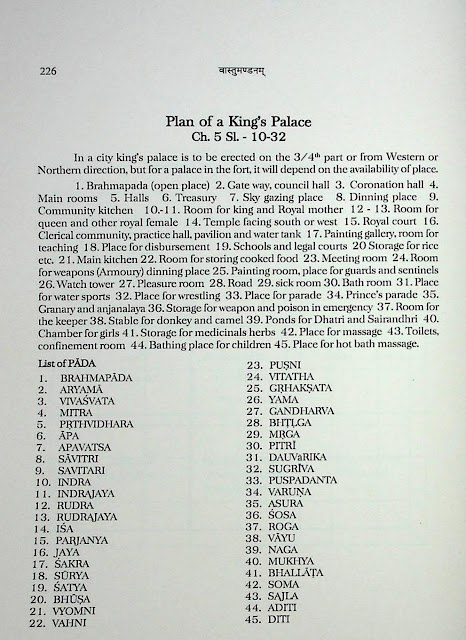
Rajputana's stronghold, palace, and temple, are coming out of these traditional principles.

The effect of ancient architecture and artificial architecture of Rajpurana also reached other states. The tradition was extinct in the hit and break-burst of Islamic hikras.


When Tanwar Rajputs won and regain control over Gwalior to rebuild the temples and castle they ask for craftsmans from Mewar.

During Maharana Kumbha's reign, coins were made into square shapes with Devnagri scriptures.
These were available in both silver and copper. On one side, the coins bear the name of the Maharana, year and emblem. On the other side, Shri Eklingnathji’s name, the Lord of Mewar Dynasty and the word ‘Shri’ are inscribed. 35 copper coins weighing 12gms. each were issued serially with similar kinds of silver coins.
Inscribed in various dialects, shapes and sizes, Maharana Kumbha issued many more copper coins that are available even today. They weigh, approximately 3.5gms and 7gms.

According to Ekling Mahatmya composed by Kanh Vyasa; Maharana Kumbha was well-read in Vedas, Smritis, Upanishads and was a scholar in grammar, meticulous reader, master of music and skilled in drama. He himself wrote many books. Music compositions composed by Maharana Kumbha are Sangeetraj, Sood Prabandha, Sangeet Ratnakar, Rasik Priya (Mewar dialect commentary of Geet Govind, originally written in Sanskrit), Vadhya Prabandhak which shows his extraordinary knowledge of music. Maharana Kumbha is also credited for popularizing the new genre of music called "Kumbh Malhar". Maharana Kumbha's book 'Nritya Ratna Kosh' provides a description of the various postures in acting, which validates his knowledge of dance. During this period, Kathak and various dance styles like Tandava, Lasya, etc. were also encouraged in Mewar.
Painting and Sculptures: Under the patronage of Maharana Kumbha, illustrated texts 'Rasikashtak' by Pandit Bhishamchand and 'Gita Govind Akhyika' by Pandit Ramish in Gogunda were written.
Saṅgītarāja is an encyclopedic work on science of Music, Dance, Musical Instruments & theory of Rāsa.
It was composed in 15th century by Mahārāṇā Kumbhā (इति श्रीराजाधीराज श्रीकुम्भकर्णविरचित सङ्गीतराज).
It comprises of five Kośas of about 16,000 śloka measure. Kīrti Stambha inscription, installed in 1460 CE, also refers to composition of Saṅgītarāja by Mahārāṇā Kumbhā.
Mahārāṇā Kumbhā in Saṅgītarāja also qoutes the book on Saṅgīta by Mahārāja Bhojarāja of Paramāra Dynasty (श्री सोमेश्वरभोजराजश्चितान् ग्रन्थान् विलोक्य त्वमुं).
In this period, the text 'Supaas Nah Chariyan' was illustrated. Detailed information related to paintings is also received from 'Rajavallabh Mandan' in which instructions are given about how to paint beautiful paintings in palaces and temples. In the era of Maharana Kumbha, Delwara was the center of the painting. This period was also important for the development of sculptures.
Chittorgarh, Kumbhalgarh, Achalgarh, Shree Eklingnath ji Temple and Ranakpur were major centers of sculpture making in Mewar. Many statues of Vishnu and various forms of Shakti are found at these places. An exemplary example of construction by Maharana Kumbh is the 'Kirti (Vijay) Stambh' located at Chittorgarh which is also known as 'Devta Murti Kosh'.

Share these sagas more to our Hindu brethren as We are always given impression in history books and films that Khiljis were invincible and have heard very little about Brave Maharana Kumbha was a scholar, great musician and music lover, warrior and capable ruler, undoubtly and his Victory tower,Vijay Stambha.

Hindu Surratna MahaRana kumbha's unquestionable valour and indomitable courage today forms the pride of Hindus and should never be forgotten. It's a pity that a warrior of such caliber is deliberately kept out of India's history books Because of Chommunist distorians to appease the piecefuls..


