Friday, June 23, 2017

क्षत्रिय धर्म - THE IMPORTANCE OF KSHATRIYA DHARMA - IMMORTAL RAJPUTS


शौर्य ( पराक्रम ) , बलिदान का अद्वितीय रूप ही क्षत्रिय है। यह वो कुल है जिसने पीढ़ी दर पीढ़ी अपनी संतानों को युद्ध रूपी ज्वाला में भष्म कर कुल को स्वर्ण के रूप में तराशा है । बिना मृत्यु भय के, मृत्यु से भीड़ जाने वाले ये वीर रक्त के उबाल को कभी शीतल नहीं होने देते बल्कि युद्ध की ज्वाला में लहू रूपी घ्रत से बलिदानी यज्ञ को पवित्र करते है । आज के युवा क्षत्रियों को अपने पूर्वजों के पवित्र और बलिदानी पथ का अनुसरण करने की सक्त आवश्यकता है, वे अपने कुलरूपी कर्म पथ से भटककर न जाने किस गर्त में धंसे जा रहे है।
.
.
इसी संदर्भ में दो पंक्तियां युवा भ्रताओ के लिए जो कर्ण छिद्रों में रूई डाले बस अमुक तमाशा देखते है किन्तु कुल क्षति के विरोध में , निश्वाश ही हार मान बैठते है -
.
. "शोणित की हर बूंद में, तूफान लिए चलते हैं ।
मृत्यु का जिनको भय नहीं, रण वहीं लड़ते हैं ।।"
.

हिंदू धर्म ग्रंथ नहीँ कहते कि देवी को शराब चढ़ाई जाये.., ग्रंथ नहीँ कहते की शराब पीना ही क्षत्रिय धर्म है.. ये सिर्फ़ एक मुग़लों की साजिश थी हिंदुओं को कमजोर करने की ! जानिये एक अनकही ऐतिहासिक घटना...
"एक षड्यंत्र और शराब की घातकता...."
कैसे हिंदुओं की सुरक्षा प्राचीर को ध्वस्त किया मुग़लों ने ??
जानिये और फिर सुधार कीजिये !!
मुगल बादशाह का दिल्ली में दरबार लगा था और हिंदुस्तान के दूर दूर के राजा महाराजा दरबार में हाजिर थे , उसी दौरान मुगल बादशाह ने एक दम्भोक्ति की "है कोई हमसे बहादुर इस दुनिया में ?"
सभा में सन्नाटा सा पसर गया ,एक बार फिर वही दोहराया गया ! तीसरी बार फिर उसने ख़ुशी से चिल्ला कर कहा "है कोई हमसे बहादुर जो हिंदुस्तान पर सल्तनत कायम कर सके ??
सभा की खामोशी तोड़ती एक बुलन्द शेर सी दहाड़ गूंजी तो सबका ध्यान उस शख्स की और गया ! वो जोधपुर के महाराजा राव रिड़मल थे !
रिड़मल जी ने कहा, "मुग़लों में बहादुरी नहीँ कुटिलता है..., सबसे बहादुर तो राजपूत है दुनियाँ में,मुगलो ने राजपूतो को आपस में लड़वा कर हिंदुस्तान पर राज किया !
कभी सिसोदिया राणा वंश को कछावा जयपुर से तो कभी राठोड़ो को दूसरे राजपूतो से...।
बादशाह का मुँह देखने लायक था , ऐसा लगा जैसे किसी ने चोरी करते रंगे हाथो पकड़ लिया हो ।
"बाते मत करो राव...उदाहरण दो वीरता का ।"
रिड़मल ने कहा "क्या किसी कौम में देखा है किसी को सिर कटने के बाद भी लड़ते हुए ??"
बादशाह बोला ये तो सुनी हुई बात है देखा तो नही ,रिड़मल बोले " इतिहास उठाकर देख लो कितने वीरो की कहानिया है सिर कटने के बाद भी लड़ने की ... "
बादशाह हसा और दरबार में बेठे कवियों की और देखकर बोला "इतिहास लिखने वाले तो मंगते होते है में भी 100 मुगलो के नाम लिखवा दूँ इसमें क्या ? मुझे तो जिन्दा ऐसा राजपूत बताओ जो कहे की मेरा सिर काट दो में फिर भी लड़ूंगा ।"
राव रिड़मल निरुत्तर हो गए और गहरे सोच में डूब गए ।
रात को सोचते सोचते अचानक उनको रोहणी ठिकाने के जागीरदार का ख्याल आया ।
रात को 11 बजे रोहणी ठिकाना (जो की जेतारण कस्बे जोधपुर रियासत) में दो घुड़सवार बुजुर्ग जागीरदार के पोल पर पहुंचे और मिलने की इजाजत मांगी । ठाकुर साहब काफी वृद अवस्था में थे फिर भी उठ कर मेहमान की आवभक्त के लिए बाहर पोल पर आये ,, घुड़सवारों ने प्रणाम किया और वृद ठाकुर की आँखों में चमक सी उभरी और मुस्कराते हुए बोले " जोधपुर महाराज... आपको मैंने गोद में खिलाया है और अस्त्र शस्त्र की शिक्षा दी है.. इस तरह भेष बदलने पर भी में आपको आवाज से पहचान गया हूँ ।
हुकम आप अंदर पधारो...मैं आपकी रियासत का छोटा सा जागीरदार, आपने मुझे ही बुलवा लिया होता ।
राव रिड़मल ने उनको झुककर प्रणाम किया और बोले एक समस्या है , और बादशाह के दरबार की पूरी कहानी सुना दी, अब आप ही बताये की जीवित योद्धा का कैसे पता चले की ये लड़ाई में सिर कटने के बाद भी लड़ेगा ?
रोहणी जागीदार बोले ," बस इतनी सी बात..मेरे दोनों बच्चे सिर कटने के बाद भी लड़ेंगे और आप दोनों को ले जाओ दिल्ली दरबार में ये आपकी और रजपूती की लाज जरूर रखेंगे "
राव रिड़मल को घोर आश्चर्य हुआ कि एक पिता को कितना विश्वास है अपने बच्चो पर.. , मान गए राजपूती धर्म को ।
सुबह जल्दी दोनों बच्चे अपने अपने घोड़ो के साथ तैयार थे!
उसी समय ठाकुर साहब ने कहा ," महाराज थोडा रुकिए में एक बार इनकी माँ से भी कुछ चर्चा कर लूँ इस बारे में ।"
राव रिड़मल ने सोचा आखिर पिता का ह्रदय है कैसे मानेगा अपने दोनों जवान बच्चो के सिर कटवाने को , एक बार रिड़मल जी ने सोचा की मुझे दोनों बच्चो को यही छोड़कर चले जाना चाहिए ।
ठाकुर साहब ने ठकुरानी जी को कहा " आपके दोनों बच्चो को दिल्ली मुगल बादशाह के दरबार में भेज रहा हूँ सिर कटवाने को , दोनों में से कौनसा सिर कटने के बाद भी लड़ सकता है ? आप माँ हो आपको ज्यादा पता होगा !
ठकुरानी जी ने कहा बड़ा लड़का तो क़िले और क़िले के बाहर तक भी लड़ लेगा पर छोटा केवल परकोटे में ही लड़ सकता है क्योंकि पैदा होते ही इसको मेरा दूध नही मिला था।।
लड़ दोनों ही सकते है ,आप निश्चित् होकर भेज दो ।
दिल्ली के दरबार में आज कुछ विशेष भीड़ थी और हजारो लोग इस द्रश्य को देखने जमा थे ।
बड़े लड़के को मैदान में लाया गया और मुगल बादशाह ने जल्लादो को आदेश दिया की इसकी गर्दन उड़ा दो..
तभी बीकानेर महाराजा बोले "ये क्या तमाशा है ? राजपूती इतनी भी सस्ती नही हुई है , लड़ाई का मोका दो और फिर देखो कौन बहादुर है ?
बादशाह ने खुद के सबसे मजबूत और कुशल योद्धा बुलाये और कहा ये जो घुड़सवार मैदान में खड़ा है उसका सिर् काट दो...
20 घुड़सवारों को दल रोहणी ठाकुर के बड़े लड़के का सिर उतारने को लपका और देखते ही देखते उन 20 घुड़सवारों की लाशें मैदान में बिछ गयी ।
दूसरा दस्ता आगे बढ़ा और उसका भी वही हाल हुआ , मुगलो में घबराहट और झुरझरि फेल गयी ,इसी तरह बादशाह के 500 सबसे ख़ास योद्धाओ की लाशें मैदान में पड़ी थी और उस वीर राजपूत योद्धा के तलवार की खरोंच भी नही आई ।।
ये देख कर मुगल सेनापति ने कहा " 500 मुगल बीबियाँ विधवा कर दी आपकी इस परीक्षा ने अब और मत कीजिये हजुर , इस काफ़िर को गोली मरवाईए हजुर... तलवार से ये नही मरेगा...
कुटिलता और मक्कारी से भरे मुगलो ने उस वीर के सिर में गोलिया मार दी । सिर के परखचे उड़ चुके थे पर धड़ ने तलवार की मजबूती कम नही करी और मुगलो का कत्लेआम खतरनाक रूप से चलते रहा ।
बादशाह ने छोटे भाई को अपने पास निहथे बेठा रखा था ये सोच कर की यदि ये बड़ा यदि बहादुर निकला तो इस छोटे को कोई जागीर दे कर अपनी सेना में भर्ती कर लूंगा लेकिन जब छोटे ने ये अंन्याय देखा तो उसने झपटकर बादशाह की तलवार निकाल ली ।
उसी समय बादशाह के अंगरक्षकों ने उनकी गर्दन काट दी फिर भी धड़ तलवार चलाता गया और अंगरक्षकों समेत मुगलो का काल बन गए ।
बादशाह भाग कर कमरे में छुप गया और बाहर मैदान में बड़े भाई और अंदर परकोटे में छोटे भाई का पराक्रम देखते ही बनता था । हजारो की संख्या में मुगल हताहत हो चुके थे और आगे का कुछ पता नही था ।
बादशाह ने चिल्ला कर कहा अरे कोई रोको इनको..।
एक मौलवी आगे आया और बोला इन पर शराब छिड़क दो ।। राजपूत का इष्ट कमजोर करना हो तो शराब का उपयोग करो।
दोनों भाइयो पर शराब छिड़की गयी ऐसा करते ही दोनों के शरीर ठन्डे पड़ गए ।
मौलवी ने बादशाह को कहा " हजुर ये लड़ने वाला इनका शरीर नही बल्कि इनका इष्ट देवी है और ये राजपूत शराब से दूर रहते है और अपने धर्म और इष्ट को मजबूत रखते है ।
यदि मुगलो को हिन्दुस्तान पर शासन करना है तो इनका इष्ट और धर्म भृष्ट करो और इनमे दारु शराब की लत लगाओ ।। यदि मुगलो में ये कमियां हटा दे तो मुगल भी मजबूत बन जाएंगे ।
उसके बाद से ही राजपूतो में मुगलो ने शराब का प्रचलन चलाया और धीरे धीरे राजपूत शराब में डूबते गए और अपनी इष्ट देवी को नाराज करते गए ।
और मुगलो ने मुसलमानो को कसम खिलवाई की शराब पीने के बाद नमाज नही पढ़ी जा सकती । इसलिए इससे दूर रहिये ।।
हमे हिन्दू समाज को इस कुरीति से दूर करना होगा । तब ही हम पुनः खोया वैभव पा सकेंगे और हिन्दू धर्म की रक्षा कर सकेंगे ।


For example this new study regarding gut bacteria, do it makes a second home in our brains? 

If true, our food is even more important than imagined before.


Probably makes for a great case of - 

'you are what you eat'

As Our elders (age old saying) always said 

"जैसा खाए अन्न, वैसा होए मन"  

means your mind becomes just like the grain you eat. Food is definitely more than just source of Calories, i.e Arjuna was told by Krishna to have a frugal diet to become a Yogi,
But We accept ideas only when they have been endorsed by the West! Yes, that’s us enslaved n....! N will remain....
🙈🙊🙉 

Even when, initially those Belief and Practices, discovered n developed by our ancestors of Sanatan Civilization! 


"The Gods first created Kshaatra Dharma before creating other dharmas. Since all other dharmas are encompassed in this dharma, the wise ones regard this as the most exalted dharma." –from the Mahabharata..


Where Brahma (spiritual power) and Kshatra (worldly power) move together, may I know that sacred world where the Gods move together with Agni (the sacred fire).
Shukla Yajur Veda 20.25

The ancient Vedic seers provided different teachings for different levels and temperaments of human beings. They recognized an organic order to society, in which various individuals and classes perform different functions for the benefit of the whole. This is just like the various organs of the body in which the hands perform one function and the feet another. A healthy society, like a healthy body, must have a place for all its different members and honor all their different functions. It cannot make one function, however important, exclude or denigrate the others.

The sages sought to spiritualize society through emphasizing the ultimate goal of liberation (Moksha), but at the same time they recognized that the evolution of souls takes place over many births and in a number of ways. They did not try to impose an artificial spiritual standard upon everyone, trying to turn all people into monks and renunciates, but formed an organic social order that allowed for all necessary types of human experience. While much of this system in time degenerated into mere caste by birth, it was based on a great and important idea that is universal and must once more be considered.
Unfortunately, this comprehensive Hindu Dharma has been misunderstood in modern times and there has been an attempt to impose certain practices appropriate for one group of society on all groups. Particularly the role of the Kshatriya, the political or warrior class has been misunderstood. Most obvious in this regard is the absolute non‑violence taught by Mahatma Gandhi.


Gandhi rejected the traditional Kshatriya role in society by teaching that it is wrong for Hindus to use force under any circumstances, even to defend themselves. Gandhi took the non‑violence appropriate to monks and yogis and tried to impose it upon the political and military classes of the country, and on the population of Hindus as a whole. He opposed any use of force by Hindus and was against India even having an army. While non-violence can be a useful political tool in certain circumstances, Gandhi turned it into an article of faith for Hindus, a dogma not to be questioned but to be applied mechanically in all situations.
We must admit that this strategy of non‑violence may have been appropriate against the British, who had some refinement of feeling. It was employed at a time when Hindus did not have much military strength or knowhow as an alternative. We can admire the Mahatma for the decisive way in which he used non‑violence, demonstrating an admirable courage in standing up to the British and not hesitating to criticize their wrong actions.
Similarly his stance against the Christian missionaries and their conversion policies was strong and fearless. Certainly he was an intellectual Kshatriya at least, using the word as a weapon against oppression. We must also remember that Gandhi himself fought in the British army when he was young and in South Africa and was a recruiter for the British army and may have been reacting against his own past and the kind of false Kshatriya he saw among the British.


However, this emphasis on absolute non‑violence has weakened the Kshatriya Dharma in India and created a situation in which many Hindus feel that it is against their religion to have any warrior spirit at all. It has caused Hindus to abandon the political field to people of different and often anti‑Hindu sentiments. Hindus have forgotten the warrior voices both in the modern Indian independence movement, notably Sri Aurobindo, and in India’s illustrious past of great kings and princes.
If a Dharmic Kshatriya is not created through the force of Brahma or spiritual knowledge, then the likelihood is that an adharmic Kshatriya will come to fill in the vacuum. This is exactly what occurred in modern India. After the excessive emphasis on non‑violence in the Indian independence movement no genuine Kshatriya was enabled to rule country.
This left the country prey to a false Kshatriya, based mainly upon Marxist ideals, mixed with warlord temperaments, such as in communist countries, who misled the people and prevented the real growth of the nation. The decline of a Kshatriya Dharma in India weakened the character of the nation and resulted in a situation that would have probably horrified Gandhi himself. His own Congress party, which he wanted to dissolve once independence was achieved, has now become so riddled with corruption that it has nearly lost all credibility, not to mention integrity.


Vedic Non-Violence


We should contrast the Gandhian view of non-violence with that of the older Hindu tradition, particularly the teachings of Sri Krishna and the Mahabharata. This great epic contains many chapters on the role of the Kshatriya class and its need to apply force in order to uphold right behavior in society. Krishna in the Bhagavad Gita taught several levels of teaching, not only the way of renunciation but also the Yoga of works, and always honored the Kshatriya Dharma.
Sri Krishna worked throughout his life to create a Dharmic Kshatriya, an order of noble souls who could establish and sustain a Dharmic social order. He was willing to promote a great battle, a civil war among the Kshatriya themselves, to allow his hand picked Dharmic Kshatriya followers to gain power. He purified the Indian Kshatriya with the blood of a Dharmic war.( Dharma Yudh )

Because of his great achievement a Kshatriya order was established in India that maintained a Dharmic society for many centuries. This example should not be lost on us today. The Kshatriya of India today, its social and political leaders, require a similar Dharmic purification, perhaps not a Kurukshetra in the literal sense but a purification from false values and egoistic practices that are rampant everywhere.
Sri Krishna repeatedly encouraged Arjuna and his brothers to fight, though they were reluctant to do so. He never asked them to suppress their Kshatriya spirit. He raised up the spirit of Arjuna on the battlefield to fight his own kinsmen and gurus for the sake of Dharma.


One cannot imagine a more difficult battle than this. Should there be any doubt that absolute non‑violence is always better, this would have been the ideal situation in which to employ it. But it was Krishna himself who made the Pandavas go through with this terrible battle.
After the war when Yudhishthira lamented the loss of life in the battle, with so many friends and kinsmen slain, Krishna and the sages came to point out the value of such a Kshatriya role in spite of the dire consequences involved. This section of the text, Raja Dharma Parva, on the role of Kings, is worth much study in this context.
There is an entire chapter on the greatness of the Raja Danda or royal use of punishment (Shanti Parva XV.7), which states, “They sink into blinding darkness, if the Danda (rod of punishment) is not employed.” When Yudhishthira wanted to leave the world and become a monk he was told not to and taught, “The Danda (rod) is the Kshatriya Dharma, not shaving one’s head (becoming a monk, XXIII. 47).” The same section of the text teaches skill in battle and a righteous war as the duty of the Kshatriya and the foundation of a healthy society. It says that the Kshatriya Dharma is the basis of spirituality because without the protection of a dharmic Kshatriya, Brahmins, monks and yogis themselves will have no protection or support.
Even Buddhism was not the non-violent movement that it is portrayed today. Not only all Hindu but all Buddhist and Jain kings had their armies. Ahimsa as referring to the rejection of any use of force or employment of weapons was not traditionally employed as a state policy in Buddhism either but only as a policy of personal spiritual practice. Even the great Buddhist King Ashoka did not disband his armies or stop the policing of his borders.

Absolute and Relative Non-Violence


We must discriminate between what we could call “absolute non-violence” and “relative non-violence.” Absolute non-violence means not even raising a hand even to defend oneself from unjust attack. Relative non-violence means only using violence to defend oneself and one’s community.


Relative non-violence is appropriate for communities and for those who have not renounced the world, and above all for the Kshatriya or noble class of people who cannot idly stand by in the face of oppression. Absolute non‑violence – that is, not resorting to force even to defend one’s life and property – is a Dharma in Hinduism for Sannyasins or those who have renounced the world, and therefore have nothing to defend.
Yet even Swamis can use force to protect their country should they choose to do so when their country is attacked. We note that in the course of Indian history that many monks and Brahmins found it necessary to resort to violence to defend their country against invaders. A number of monastic orders had militant sides to protect the Dharma.
The Indian independence movement received much impetus from Swamis and Yogis in Bengal around the turn of the century, including such figures as Sri Aurobindo and Sister Nivedita, the fiery Irish woman disciple of Vivekananda, who advocated the use of force to overthrow the British. Freedom fighters who advocated the use of force against the British, included Tilak, Aurobindo, and Savarkar. These figures also followed the teachings of Yoga and Vedanta and were not less spiritually minded than Gandhi.


Such dharmic warriors followed a long tradition including Shivaji, Rana Pratap, banda bahadur and such avatars as Rama and Krishna, who took up arms to defend the Dharma. Sri Aurobindo also supported the allied cause against Hitler in World War II and the American cause against the communists in the Korean War. Gandhi meanwhile launched his Quit India movement in 1942, interfering with the British war effort, in spite of what was known about Hitler’s actions.
This different view than Gandhi was not because Sri Aurobindo’s mentality was unspiritual. He knew the circumstances in which non-violence could work and those in which it would be self-defeating. Gandhian non-violence, however idealistic, like his asking of the Jews to offer themselves to Hitler’s furnaces in order to melt Hitler’s heart, lacked at times even common sense.
Absolute non‑violence is no more appropriate for everyone than are monastic rules like celibacy. Gandhi tried to impose celibacy upon his workers as well, which similarly, given human nature, did not work.
Like other monastic rules, non‑violence was never turned into a general rule of social conduct in the older Hindu Dharma. Historically Hindu, Buddhist and Jain Kings of India, Tibet and China were allowed to use force to protect their kingdoms, and to punish criminals, even though their religions teach non-violence as a spiritual discipline.
To impose an artificial standard of non-violence on a society as a whole undermines the Kshatriya Dharma, or the political Dharma, and can damage the social order. It can undermine the will of a people to defend itself and weaken its sense of community identity. Those who have families and homes have a natural instinct to defend them when attacked. To tell such people that it is wrong for them to defend their loved ones is to make them feel guilty and confused.


It weakens their self‑esteem and vitality, which only makes them prey to violence from the outside. It invites attack and thereby leads to more bloodshed than if people were allowed to defend themselves in the first place.
When we try to artificially impose a standard of absolute non-violence upon ordinary people, or make it the policy of a nation, we are acting in violation of the natural order. Such an impossible standard can only undermine the social order. In fact, the imposition of non-violence on everyone is itself a form of violence, the imposition of an artificial standard on our natural instincts that must cause suffering.


The great Swamis of India did not seek to undermine the Kshatriya Dharma. Adi Shankaracharya accepted the value of Kshatriya Dharma as he did a Vedic order for Hindu society. Let us also look at the example of the great Swami Vidyarananya of Sringeri (fourteenth century), an Advaitin (non-dualist) and a Mayavadin, who yet inspired two Hindu Kshatriyas who had become Muslims to reconvert to Hinduism and found the great Hindu kingdom of Vijayanagar to protect the Dharma. He did not ask for these Kshatriya rulers to follow absolute non‑violence.
One might ask that if all is Maya or illusion, why would a great Swami start a kingdom? Such a question shows a profound misunderstanding of Hindu Dharma. One can only transcend the world by fulfilling one’s Dharma, and even if one has done this, one still has the duty to others to teach, guide and raise the world. Let us also look at the example of Samartha Ramdas, who inspired the great King Shivaji of the Marathas and his successors, whose armies were the main factor behind the defeat of the Mogul Empire.
What is particularly strange is that Mahatma Gandhi’s policies have become accepted by people East and West as representing the original teachings of Hinduism, which is not the case. Gandhi took solace in the Bhagavad Gita as the main holy book in his life, though the Gita promotes the Kshatriya Dharma and honors a defensive war.
It could be argued that Gandhi did not understand the yogic principle of non‑violence – a point that Sri Aurobindo made.[1] Gandhi’s non‑violent resistance is not the same as the non‑violence outlined in traditional texts like the Yoga Sutras of Patanjali, which is not a form of resistance employed on a social level but a spiritual principle applied in individual sadhana.
Gandhi put people, including himself, in situations where they would draw the violence of others upon themselves. This was done in order to make the British rulers feel guilty about the violence they were forced to perpetrate upon passive victims, so that their bad conscience would force them to change their ways. Such “passive resistance” is a political weapon and can be a very useful one. But it should not invalidate the instinct for self‑defense and the nobility of fighting for truth.
Non‑violent resistance in the political sphere is particularly useful for a large group dealing with a superior, preferably less numerous enemy who has a conscience. But such non‑violent resistance is not useful in all circumstances. An enemy who has no conscience, like Hitler, would not be moved by it, but would exploit it to his own advantage, using it to disarm his opponents.
When the enemy has no real conscience the only recourse is the force of arms, which requires a true Kshatriya class trained in fighting. Yet Gandhi encouraged the Jews to follow such absolute non-violence and passively offer themselves to Hitler.
Ahimsa has a different meaning in a Kshatriya context. It means protecting people and reducing the violence directed against them by outside invaders or by criminals. This was the type of violence that Krishna and the Pandavas engaged in to defend the Dharma. Yet this type of Kshatriya expression of ahimsa was not followed or promoted by Gandhi.


The Need for a Kshatriya Revival


To want to fight unrighteous people who are invading your country, or falsely ruling over your people, is the appropriate instinct of the Kshatriya, to deny which is to deny their vitality. Once the vitality of the Kshatriya – who represent the vital or energetic aspect of society – is weakened then the whole society can become devitalized. This dogmatic emphasis on non‑violence has set in motion a one‑sided teaching and a distortion that has weakened modern India.
Rather than defending themselves, Hindus turn on other Hindus who try to defend themselves against unjust attacks, even if it means being sympathetic with those enemies who are attacking fellow Hindus.
If Hindus criticize non‑Hindus, even truthfully, it is Hindus themselves who protest. Whereas if non‑Hindus attack or criticize Hindus, other Hindus try to look upon the attack with equanimity, tolerance, or even try to make the Hindus who are attacked responsible for it.
To insist that all Hindus follow absolute non‑violence in their social life is to effectively destroy any real Kshatriya class or instinct. Owing to the self‑effacing view so created, true Kshatriyas in India doubt themselves and are ashamed of their instincts to protect the country.
Hindus often feel that to be real Hindus they could never use any weapon, nor should they defend themselves, their country or their family. They hesitate to defend their religion against distortions in the media or in the textbooks of their own country. Such apparent non‑violence or tolerance is more cowardice than the expression of peace.
The integral teaching of original Hinduism honors the Kshatriya Dharma and the place of the warrior. A nation can only be built up and ruled by Kshatriyas. That is their appropriate role in society. Please note that I am not speaking about caste here, but about the mentality and instincts of a person.
True Kshatriyas may come from any so-called caste today and are to be known by their character and their actions. Should there not be an adequate Kshatriya class in a country, all the other classes must take up a Kshatriya activity, even the Brahmins. In fact a true Brahmin must have learned the value of Kshatriya Dharma in order to be really able to go beyond it.
Governing a country requires strong leadership, including a well‑trained army and police force, not as forces of tyranny but for protection. There are many people in society who contain the gunas (qualities) of rajas and tamas, aggressive and obstinate tendencies which, if not controlled through clear laws and punishments, will wreak havoc.
Sattvic (spiritual) methods like non‑violence work only if there is enough sattva in people to respond to these, which unfortunately is not always the case. For this reason traditional Hindu teachings like the Mahabharata emphasize the importance of danda or the use of punishment to maintain law and order (Dharma).
The nations of the world are not sattvic or spiritual entities but worldly, commercial and military entities that are neither sympathetic nor conscious of spiritual values. They must be dealt with first by the right diplomacy, which is the role of intellectual Kshatriya. But a good army must be there as well. This does not mean that India should not be idealistic or naive in dealing with the nations of the world who follow their own principles that may not be not rooted in any Dharmic tradition.


Some fear that encouraging a Hindu Kshatriya would create a militant Hindu fundamentalism. They imagine paramilitary Hindu groups, Hindu terrorists, or Hindu Jihads, as is the situation in Islam today. However, Hinduism is a pluralistic religion quite unlike exclusive monotheistic religions that can easily create a fundamentalism of One God, One Savior and One Book. There is no history of Hindu Jihad, nor of any Hindu terrorist activity to conquer the world.
There is similarly no comparable Hindu missionary aggression as that of the Christians. The fear of Hindu militancy is more a fear of Hindu activism by groups that profit from a lack of Hindu political activity, mainly leftist and communist groups in India. On the contrary, it is leftist youth gangs who attack Hindu sadhus in Bengal, and it is Hindu workers who are murdered in Kerala by similar groups.
The idea that Hindu activism has to be avoided so as to prevent Hindu militancy, is like saying a person who has been beat up should not be allowed to stand up on his feet again because he is likely to become an aggressor like the person who trampled him down in the first place. Only Hindus seem to be willing to accept this politics of masochism. But they should at least recognize that no other group in the world does, nor did Hindus in classical India.
When the true Kshatriya spirit is not honored, a false Kshatriya takes power, which is what has happened in modern India. Gandhian politics has been replaced by socialist, communist and simply opportunistic policies of an adharmic nature. Had the true Kshatriya spirit not been already weakened, this would likely not have happened.
To awaken spiritually and culturally, India needs to reclaim its Kshatriya spirit, which is an integral part of its traditions. It needs to honor its Ramas, Arjunas, and Shivajis, who maintained their nobility and spirituality, though they had to resort to force to protect the Dharma. There is perhaps no other country so unappreciative of its great Kshatriyas, though there is perhaps no other country that has had Kshatriyas of such spiritual greatness.
The key to the revival of India lies in its Kshatriya spirit, which is integral to its spiritual heritage. The idea of the spiritual warrior and the warrior as a Dharmic force must arise again, not as apart from spiritual knowledge but as its manifestation.


A New Kshatriya


Should Hindus take a more active Kshatriya role, other political and social groups may raise the image of Mahatma Gandhi against them, though they themselves do not lead Gandhian lives. It is not service to the nation that motivates these people, or defense of the country, but their personal agendas and the politics of vote banks. No doubt the possibility of assertive Hinduism scares the leftists in India and they will try to discredit it with the image of Hindu militancy, if not fascism.
Hindus must be willing to gain strength from it rather than feel apologetic, which will only weaken their resolve. As the Mahabharata states, the heart of a Kshatriya should be strong and unshakable like the thunderbolt, not weak and hypersensitive. Can anyone honestly say, even those who are not Hindus, that Hindus are suffering from an excessive Kshatriya spirit?
Who then are these Kshatriyas? They are Hindus engaged in traditional Kshatriya activities like army, police, government, legal system, and all forms of political and social activism. They must strive to follow a true Dharmic Kshatriya spirit, rather than the convenient corruption and obsequiousness that is common in India today. A Kshatriya of some sort is going to exist because these social roles must be filled by someone, the question is whether it will be Dharmic or not.
Let us remember the true Hindu Kshatriya ideal and its spiritual roots. A true Kshatriya is not violent in mind, but will only use force to protect Dharma against violent people when there is no other alternative. He will not be motivated by greed, fame or sectarian interests but will work selflessly for the universal good. Above all he is never a hypocrite, he will do what he says and say what he really does.
He will stand firm against all odds, even if it means to fight against a superior enemy. He will not quit without a fight, though he will not resort to violence unless he has no other choice. Such was the warrior spirit of Arjuna and this is what the nation of India really needs today, in fact all countries need it in this era of corruption and showmanship
     [1] Note India’s Rebirth, Institute De Recherches Evolutives, Paris, pp. 160-162, 210-211 etc.

Thursday, June 22, 2017

WHY 400 YEARS LEAP IN INDIAN HISTORY BOOKS

The 400 year leap that Indian history textbooks have from 650 AD to 1050 AD?

Why are these 4 centuries ignored?

The Delhi based historians have failed this country. There is absolutely no doubt about that. It is not just in CISCE but even in the NCERT syllabus prescribed in the Central Board of Secondary Education (CBSE) the scenario isn’t too different. 

Mani has explained about these 4 centuries in detail and there is not much that we can add to his perfect answer. We will just explain how the Delhi based historians have failed the country.

The history that is taught in CBSE and ICSE schools essentially consists of two parts. That of India and the rest of the world.

In the name of “Indian” history, what we are taught are 60% Northern history that too of invaders only, 25% Western history, 10% Southern history, and just 5% (we are actually being generous here) Eastern history. The history textbooks in the two central boards have been written with Delhi’s perspective.
Forget about these 4 centuries, have you observed what we are taught after the Mauryan Empire? We are just told that the Mauryan Empire was overthrown by Pushyamitra Shunga who established the Shunga Empire. Then the timeline shifts to the Kushan Empire. The age of Satavahana dynasty, who ruled the Deccan is largely ignored. We did not read anything about Satavahanas in our history textbook at school. The first time that we read about the Satavahanas was when we read the Amar Chitra Katha comic on Gautamiputra Satakarni in our school library. Our “textbook” had no content on the Satavahanas.
After the Kushanas, we then study the Gupta Empire, which is termed as the golden age of Indian history. But just one chapter on the golden age. That’s it. Even here, we feel that the historians have failed. There should have been more content on the Gupta empire too for it was one of India’s greatest empires of all time. What we study in this chapter is about Samudragupta, Chandragupta-II and one line about the greats like Kalidasa who existed during this period.
After the fall of Gupta Empire, we then study about Harsha of Kannauj, which is again a jump of about a century. The conflicts between the Kadamba dynasty and the Pallava dynasty are ignored. We don’t read that the Chalukya dynasty was actually the successor to the Kadambas. All we read about the Chalukyas is when the greatest Chalukya Pulakeshin II defeats Harsha and when he in turn is defeated by the equally great Pallava Narasimhavarman I. Two lines about the Chalukyas and a few lines here and there about the Pallavas.

Mani has mentioned about the growth of the Rashtrakuta dynasty during the period mentioned in the question. The only thing that we read about this empire in school textbook was that it was one of the three powers involved in the Tripartite Struggle for Kannauj. The other two being Pala Empire and the Pratihara. Amoghavarsha is nicknamed as Ashoka of the South in some textbooks. Why should he be compared to Ashoka? We don’t get the reason behind this nickname. Amoghavarsha or Nrupatunga was a great ruler in his own right. He shouldn’t be compared to Ashoka. Can we call Ashoka as Amoghavarsha of the North? Not required. Both were great rulers and there is no need of such nicknames. Even here, Amoghavarsha’s epic work Kavirajamarga, the first recorded book in Kannada is ignored.
If someone reads only our history textbooks, then they’ll get the impression that the state of Maharashtra had absolutely no history before the age of Maratha Empire. We don’t study about Satavahanas as we mentioned earlier. Neither do we study about the Seuna (Yadava) dynasty, which was actually the first Marathi dynasty and it existed from 850 to 1334. Even 1334 was a good 300 years before Shivaji Maharaj was born! The only time the Yadavas of Devagiri, Hoysala Empire, and the Kakatiya dynasty are mentioned in our textbooks is when they were ransacked by Malik Kafur, again a general of the Delhi Sultanate!
The great Vijayanagara Empire was founded in 1336 and went on to be one of the most glorious empires of India and it ruled till 1646, a good 3 centuries. We’ll tell you what we read about the Vijayanagara Empire in our history textbook. The Vijayanagara Empire was founded by two brothers Harihara I and Bukka Raya I on the banks of Tungabhadra. Its greatest ruler was Krishnadevaraya who was the most powerful emperor in the Indian subcontinent in 1526, when First Battle of Panipat was fought between Babur and Ibrahim Lodi. The empire was destroyed in Battle of Talikota and today the ruins of Hampi, Karnataka are the place where this empire existed.
That’s it! One paragraph! Even in this paragraph, notice how two lines still describe the events happening in Delhi! What is the need to discuss about Delhi Sultanate and Mughals while talking about Vijayanagara Empire? The whole history in our textbooks is written from Delhi’s point of view. This is the ultimate proof. We remember this particular paragraph very clearly because we had asked our parent if this was all about the Vijayanagara Empire since he had told us the stories of the empire since we were a child.
Then we learn about the Mughal Empire wherein one chapter is dedicated to each emperor. One each for Babur, Humayun, Akbar, Jahangir, Shah Jahan, and Aurangzeb. Then we read about the Marathas and when we read about the Marathas, we read only about their conflict with the Mughals, Afghans, their attempts to take over Delhi, and their defeat in the Third Battle of Panipat. We don’t read about their campaign in the South and the East. We don’t read about their battles with the Adil Shahi dynasty or the Kingdom of Mysore or their invasion of Bengal. We only read what our Delhi historians have termed as history of India.
We don’t read about the Eastern history and the empires like Gajapati Kingdom, Ahom kingdom, Kamarupa, and Pala Empire. The only mention about the Palas was during the Tripartite Struggle that we have mentioned above. We read very little about the great and ancient Tamil kingdoms like the Chola dynasty, Pandyan, and the Pallava dynasty. We read very little about the Deccan history. We don’t get to study about Deccan sultanates, Bahmani Sultanate, and as mentioned earlier, we don’t study much about Vijayanagara Empire, Yadavas, Satavahnas, and so on. Then finally, it is all about British Raj and school ends. Students score good marks in their board exams and their parents and teachers are happy. That’s about it. “Indian” history is done and dusted for all the stakeholders.
Our answer has been long and has diverted a lot from the main question but we just wanted to prove our point that it is not just these 4 centuries that have been ignored in our school history textbooks in ICSE and CBSE boards. Entire history has been written from Delhi’s Communists perspective. Luckily, some state boards like that of Karnataka and Tamil Nadu have been able to give better textbooks. But as far as ICSE and CBSE are concerned, the history in their textbooks is written by Delhi Communist distorians and from Delhi’s point of view. Indian history was much bigger and as Mani has illustrated, the four centuries did witness a great deal of change which has been ignored since there was no significant development in Delhi.
Our answer is just a general analysis on how the Delhi based distorians have failed this country and how pathetic our history textbooks are in ICSE and CBSE boards. For a specific answer on this particular question, please refer to Mani’s answer, which is most perfect and specific to the question.
Those who have not seen the recent NCERT history books, note they do not give direct lesson names. For example, in the 6th standard book, it might be strange to know that Indus Valley Civilization has been covered under an indirect chapter name”The Earliest Cities”. So we decided to dig deep and see the chapters where the period from 700 AD to 1100 AD had been covered. A passing mention of the Cholas, Pandyas, Cheras and the Pallavas has been given in the chapter “New Empire and Kingdoms”. In the next chapter, passing mention of Silapathikaaram-the famous Tamil epic and Mahabalipuram has been given. In the 7th standard book- a quite satisfactory account of the Chola empire has been given in the chapter “New Kings and Kingdoms”.
Now, the question that arises is - Is that all to Indian history in the period from 7th century to 11th century AD. The answer is no. Let us see what were ignored or grossly under-reported in the books.
Building of Temples:
This era saw the construction of most magnificent of temples. Ever wondered why North India has very few ancient temples when compared to South India. Well, there was a time when temples overflowed the land of Bharat. Benaras, Prayag(now known as Allahabad), Ayodhya, Mathura, Somnath all were dotted with magnificient temples, that were built during this period. Actually, 700–1100AD era can also be called the temple era, as the era saw the construction of temples at a frenetic pace. There have not been much accounts of temple construction during the Gupta Period, so it is obvious most of the ancient temples that dotted the religious cities must have been constructed during this period.

Kedarnath Temple:


Mahabalipuram


Badami Cave Temple


Ellora Temple


All these works were the creation of this period. Now imagine the number of similar temples that would have been constructed in the religious cities of North India. We do not know how grand the temples were. But imagine an ancient 1200 old temple besides the banks of Ganges. The wonders of India was developed during this period. Sadly, North India would go on to lose most of it.

BEGINNING OF HINDU REFORM:

Most historians tend to attribute the Hindu revival to the 13th-15th century. They tend to ignore the struggles Hinduism successfully faced during this period. By the end of the 7th century, Buddhism and Hinduism were engaged in a no-holds battle. They enjoyed almost equal political patronage during the beginning of the era. By the end of the era, Buddhism was on its death knees in India. How did that happen?

Enter Swami Shankaracharya. This versatile monk from Kerala single-handedly started the reform. Yes, history books mention him, but they do not mention the significance behind his acts. He defeated the now-obsolete Mimasa philosophy in the famous mutt of Sharada Peeda(now in PoK). The significance of this lies in the fact that now Hinduism moved from a ritualistic-heavy religion to a more simple form of religion.

The ruins of present day Sharada Peeta


Transformation to vegetarianism

Hindus, even Brahmins, if believed for the most period of the ancient period were non-vegetarians. However, by the beginning of the Medieval age, vegetarianism had entered the society in a big way. So when did this happen? Yes, the period of 700-1100 AD marked the age of transformation of food habits by Indians. This effectively stole the thunder from the Buddhists and the Jains and were one of the reasons Hinduism revived in the country.

Temple Construction in South-East Asia:

This period marked the construction of iconic Hindu and Buddhist temples in South-East Asia. Now, some people may feel why should it be relevant to India. It is relevant because it shows the dominance of Indians in a foreign country. It debunks the notion that we did not spread our culture anywhere. And if we could allot chapters to French Revolution in our history books, surely, we could allot a chapter to Indian influence in South-East Asia.


Moreover, these temples give us an idea of how North Indian temples could have been, had it not been their destruction at the hand of invaders.

Now, why do the historians ignore this period?

To explain it, we have to take a look at the state of history education in India. Most of the elite distorians come from JNU or Christian-run institutions like St. Stephen’s, St. Xavier’s etc. These institutions are leftist hubs where lot of brainwashing takes place. Prospective historians are taught only about the dark side of Hinduism and how they should be ashamed of their past. When entrusted with the task of writing history books by the similar-minded Congress party, these leftists carried their biases into writing the books.

They did not cover the period, because they simply see no significance in the period. Their education has taught them to view construction of temples as wasteful expenditures, rather than the symbols of pride and national identity. They do not recognize the significance of Hinduism’s fightback. Or perhaps, more dangerously, they do not want the younger generation to feel proud about their past, they should.

It is high time we move away from the eco-system these distorians have created.


Sunday, February 26, 2017

क्षत्राणी - हुंकार की कलंगी - IMMORTAL RAJPUTS

मैं वह क्षत्राणी हूँ जो,
तुम्हें तुम्हारे कर्तव्य बताने आई हूँ।
मैं मदालसा का मातृत्व लिए,
माता की माहिमा दिखलाने आई हूँ।
मैं वह क्षत्राणी हूँ जो,
तुम्हें फिर से स्वधर्म बतलाने आई हूँ।
तुम जिस पीड़ा को भूल चुके,
मैं उसे फिर उकसाने आई हूँ।
मैं वह क्षत्राणी हूँ,
जो तुम्हें फिर से क्षात्र-धर्म सिखलाने आई हूँ।

उदयपुर के महलों में राणा जी ने आपात सभा बुला रखी थी। सभा में बैठे हर सरदार के चेहरे पर चिंता की लकीरें साफ़ नजर आ रही थी, आँखों में गहरे भाव नजर आ रहे थे सबके हाव भाव देखकर ही लग रहा था कि किसी तगड़े दुश्मन के साथ युद्ध की रणनीति पर गंभीर विचार विमर्श हो रहा है। सभा में प्रधान की और देखते हुए राणा जी ने गंभीर होते हुए कहा-

“इन मराठों ने तो आये दिन हमला कर सिर दर्द कर रखा है।”

“सिर दर्द क्या रखा है ? अन्नदाता ! इन मराठों ने तो पूरा मेवाड़ राज्य ही तबाह कर रखा है, गांवों को लूटना और उसके बाद आग लगा देने के अलावा तो ये मराठे कुछ जानते ही नहीं !” पास ही बैठे एक सरदार ने चिंता व्यक्त करते हुए कहा।

“इन मराठों जैसी दुष्टता और धृष्टता तो बादशाही हमलों के समय मुसलमान भी नहीं करते थे। पर इन मराठों का उत्पात तो मानवता की सारी हदें ही पार कर रहा है। मुसलमान ढंग से लड़ते थे तो उनसे युद्ध करने में भी मजा आता था पर ये मराठे तो लूटपाट और आगजनी कर भाग खड़े होते है।” एक और सरदार ने पहले सरदार की बात को आगे बढाया।

सभा में इसी तरह की बातें सुन राणा जी और गंभीर हो गए, उनकी गंभीरता उनके चेहरे पर स्पष्ट नजर आ रही थी।

मराठों की सेना मेवाड़ पर हमला कर लूटपाट व आगजनी करते हुए आगे बढ़ रही थी मेवाड़ की जनता उनके उत्पात से बहुत आतंकित थी। उन्हीं से मुकाबला करने के लिए आज देर रात तक राणा जी मुकाबला करने के लिए रणनीति बना रहे थे और मराठों के खिलाफ युद्ध की तैयारी में जुटे थे। अपने ख़ास ख़ास सरदारों को बुलाकर उन्हें जिम्मेदारियां समझा रहे थे। तभी प्रधान जी ने पूरी परिस्थिति पर गौर करते हुए कहा-

“खजाना रुपयों से खाली है। मराठों के आतंक से प्रजा आतंकित है| मराठों की लूटपाट व आगजनी के चलते गांव के गांव खाली हो गए और प्रजा पलायन करने में लगी है। राजपूत भी अब पहले जैसे रहे नहीं जो इन उत्पातियों को पलक झपकते मार भगा दे और ऐसे दुष्टों के हमले झेल सके।”

प्रधान के मुंह से ऐसी बात सुन पास ही बैठे एक राजपूत सरदार ने आवेश में आकर बोला –“पहले जैसे राजपूत अब क्यों नहीं है ? कभी किसी संकट में पीछे हटे है तो बताएं ? आजतक हम तो गाजर मुली की तरह सिर कटवाते आये है और आप कह रहें है कि पहले जैसे राजपूत नहीं रहे ! पिछले दो सौ वर्षों से लगातार मेवाड़ पर हमले हो रहे है पहले मुसलमानों के और अब इन मराठों के। रात दिन सतत चलने वाले युद्धों में भाग लेते लेते राजपूतों के घरों की हालत क्या हो गयी है ? कभी देखा है आपने ! कभी राजपूतों के गांवों में जाकर देखो एक एक घर में दस दस शहीदों की विधवाएं बैठी मिलेंगी| फिर भी राजपूत तो अब भी सिर कटवाने के लिए तैयार है। बस एक हुक्म चाहिए राणा जी का! मराठा तो क्या खुद यमराज भी आ जायेंगे तब भी मेवाड़ के राजपूत पीठ नहीं दिखायेंगे।”

ये सुन राणा बोले- “राज पाने व बचाने के लिए गाजर मुली की तरह सिर कटवाने ही पड़ते है, इसीलिए तो कहा जाता है कि राज्य का स्वामी बनना आसान नहीं। स्वराज्य बलिदान मांगता है और हम राजपूतों ने अपने बलिदान के बूते ही यह राज हासिल किया है। धरती उसी की होती है जो इसे खून से सींचने के लिए तैयार रहे| हमारे पूर्वजों ने मेवाड़ भूमि को अपने खून से सींचा है। इसकी स्वतंत्रता के लिए जंगल जंगल ठोकरे खायी है। मातृभूमि की रक्षा के लिए घास की रोटियां खाई है, और अब ये लुटरे इसकी अस्मत लुटने आ गए तो क्या हम आसानी से इसे लुट जाने दे ? अपने पूर्वजों के बलिदान को यूँ ही जाया करें? इसलिए बैठकर बहस करना छोड़े और मराठों को माकूल जबाब देने की तैयारी करें।”

राणा की बात सुनकर सभा में चारों और चुप्पी छा गयी। सबकी नजरों के आगे सामने आई युद्ध की विपत्ति का दृश्य घूम रहा था। मराठों से मुकाबले के लिए इतनी तोपें कहाँ से आएगी? खजाना खाली है फिर सेना के लिए खर्च का बंदोबस्त कैसे होगा? सेना कैसे संगठित की जाय? सेना का सेनापति कौन होगा? साथ ही इन्हीं बिन्दुओं पर चर्चा भी होने लगी।

आखिर चर्चा पूरी होने के बाद राणा जी ने अपने सभी सरदारों व जागीरदारों के नाम एक पत्र लिख कर उसकी प्रतियाँ अलग-अलग घुड़सवारों को देकर तुरंत दौड़ाने का आदेश दिया।

पत्र में लिखा था-“मेवाड़ राज्य पर उत्पाती मराठों ने आक्रमण किया है उनका मुकाबला करने व उन्हें मार भगाने के लिए सभी सरदार व जागीरदार यह पत्र पहुँचते ही अपने सभी सैनिकों व अस्त्र-शस्त्रों के साथ मेवाड़ की फ़ौज में शामिल होने के लिए बिना कोई देरी किये जल्द से जल्द हाजिर हों।”

पत्र में राणा जी के दस्तखत के पास ही राणा द्वारा लिखा था- “जो जागीरदार इस संकट की घडी में हाजिर नहीं होगा उसकी जागीर जब्त कर ली जाएगी। इस मामले में किसी भी तरह की कोई रियायत नहीं दी जाएगी और इस हुक्म की तामिल ना करना देशद्रोह व हरामखोरी माना जायेगा।”

राणा का एक सवार राणा का पत्र लेकर मेवाड़ की एक जागीर कोसीथल पहुंचा और जागीर के प्रधान के हाथ में पत्र दिया| प्रधान ने पत्र पढ़ा तो उसके चेहरे की हवाइयां उड़ गयी। कोसीथल चुंडावत राजपूतों के वंश की एक छोटीसी जागीर थी और उस वक्त सबसे बुरी बात यह थी कि उस वक्त उस जागीर का वारिस एक छोटा बच्चा था। कोई दो वर्ष पहले ही उस जागीर के जागीरदार ठाकुर एक युद्ध में शहीद हो गए थे और उनका छोटा सा इकलौता बेटा उस वक्त जागीर की गद्दी पर था। इसलिए जागीर के प्रधान की हवाइयां उड़ रही थी। राणा जी का बुलावा आया है और गद्दी पर एक बालक है वो कैसे युद्ध में जायेगा? प्रधान के आगे एक बहुत बड़ा संकट आ गया। सोचने लगा-“क्या इन मराठों को भी अभी हमला करना था। कहीं ईश्वर उनकी परीक्षा तो नहीं ले रहा?”

प्रधान राणा का सन्देश लेकर जनाना महल के द्वार पर पहुंचा और दासी की मार्फ़त माजी साहब (जागीरदार बच्चे की विधवा माँ) को आपात मुलाकात करने की अर्ज की।

दासी के मुंह से प्रधान द्वारा आपात मुलाकात की बात सुनते ही माजी साहब के दिल की धडकनें बढ़ गयी-“पता नहीं अचानक कोई मुसीबत तो नहीं आ गयी?”

खैर.. माजी साहब ने तुरंत प्रधान को बुलाया और परदे के पीछे खड़े होकर प्रधान का अभिवादन स्वीकार करते हुए पत्र प्राप्त किया। पत्र पढ़ते ही माजी साहब के मुंह से सिर्फ एक छोटा सा वाक्य ही निकला-“हे ईश्वर ! अब क्या होगा?” और वे प्रधान से बोली-“अब क्या करें ? आप ही कोई सलाह दे! जागीर के ठाकुर साहब तो आज सिर्फ दो ही वर्ष के बच्चे है उन्हें राणा जी की चाकरी में युद्ध के लिए कैसे ले जाया जाय ?

तभी माजी के बेटे ने आकर माजी साहब की अंगुली पकड़ी। माजी ने बेटे का मासूम चेहरा देखा तो उनके हृदय ममता से भर गया। मासूम बेटे की नजर से नजर मिलते ही माजी के हृदय में उसके लिए उसकी जागीर के लिए दुःख उमड़ पड़ा। राणा जी द्वारा पत्र में लिखे आखिरी वाक्य माजी साहब के नजरों के आगे घुमने लगे-“हुक्म की तामिल नहीं की गयी तो जागीर जब्त कर ली जाएगी। देशद्रोह व हरामखोरी समझा जायेगा आदि आदि।”

पत्र के आखिरी वाक्यों ने माजी सा के मन में ढेरों विचारों का सैलाब उठा दिया-“जागीर जब्त हो जाएगी ! देशद्रोह व हरामखोरी समझा जायेगा! मेरा बेटा अपने पूर्वजों के राज्य से बाहर बेदखल हो जायेगा और ऐसा हुआ तो उनकी समाज में कौन इज्जत करेगा? पर उसका आज बाप जिन्दा नहीं है तो क्या हुआ ? मैं माँ तो जिन्दा हूँ! यदि मेरे जीते जी मेरे बेटे का अधिकार छिना जाए तो मेरा जीना बेकार है ऐसे जीवन पर धिक्कार। और फिर मैं ऐसी तो नहीं जो अपने पूर्वजों के वंश पर कायरता का दाग लगने दूँ, उस वंश पर जिसनें कई पीढ़ियों से बलिदान देकर इस भूमि को पाया है मैं उनकी इस बलिदानी भूमि को ऐसे आसानी से कैसे जाने दूँ ?

ऐसे विचार करते हुए माजी सा की आँखों वे दृश्य घुमने लगे जो युद्ध में नहीं जाने के बाद हो सकते थे- “कि उनका जवान बेटा एक और खड़ा है और उसके सगे-संबंधी और गांव वाले बातें कर रहें है कि इन्हें देखिये ये युद्ध में नहीं गए थे तो राणा जी ने इनकी जागीर जब्त कर ली थी। वैसे इन चुंडावतों को अपनी बहादुरी और वीरता पर बड़ा नाज है हरावल में भी यही रहते है।” और ऐसे व्यंग्य शब्द सुन उनका बेटा नजरें झुकाये दांत पीस कर जाता है। ऐसे ही दृश्यों के बारे में सोचते सोचते माजी सा का सिर चकराने लगा वे सोचने लगे यदि ऐसा हुआ तो बेटा बड़ा होकर मुझ माँ को भी धिक्कारेगा।

ऐसे विचारों के बीच ही माजी सा को अपने पिता के मुंह से सुनी उन राजपूत वीरांगनाओं की कहानियां याद आ गयी जिन्होंने युद्ध में तलवार हाथ में ले घोड़े पर सवार हो दुश्मन सेना को गाजर मुली की तरह काटते हुए खलबली मचा अपनी वीरता का परिचय दिया था। दुसरे उदाहरण क्यों उनके ही खानदान में पत्ताजी चुंडावत की ठकुरानी उन्हें याद आ गयी जिसनें अकबर की सेना से युद्ध किया और अकबर की सेना पर गोलियों की बौछार कर दी थी। जब इसी खानदान की वह ठकुरानी युद्ध में जा सकती थी तो मैं क्यों नहीं ? क्या मैं वीर नहीं ? क्या मैंने भी एक राजपूतानी का दूध नहीं पिया ? बेटा नाबालिग है तो क्या हुआ ? मैं तो हूँ ! मैं खुद अपनी सैन्य टुकड़ी का युद्ध में नेतृत्व करुँगी और जब तक शरीर में जान है दुश्मन से टक्कर लुंगी। और ऐसे वीरता से भरे विचार आते ही माजी सा का मन स्थिर हो गया उनकी आँखों में चमक आ गयी, चेहरे पर तेज झलकने लगा और उन्होंने बड़े ही आत्मविश्वास के साथ प्रधान जी को हुक्म दिया कि-

“राणा जी हुक्म सिर माथे ! आप युद्ध की तैयारी के लिए अपनी सैन्य टुकड़ी को तैयार कीजिये हम अपने स्वामी के लिए युद्ध करेंगे और उसमें जान की बाजी लगा देंगे।”

प्रधान जी ने ये सुन कहा- “माजी सा ! वो तो सब ठीक है पर बिना स्वामी के केसी फ़ौज ?

माजी सा बोली- “हम है ना ! अपनी फ़ौज का हम खुद नेतृत्व करेंगे।”

प्रधान ने विस्मय पूर्वक माजी सा की और देखा। यह देख माजी सा बोली-

“क्या आजतक महिलाएं कभी युद्ध में नहीं गयी ? क्या आपने उन महिलाओं की कभी कोई कहानी नहीं सुनी जिन्होंने युद्धों में वीरता दिखाई थी ? क्या इसी खानदान में पत्ताजी की ठकुरानी सा ने अकबर के खिलाफ युद्ध में भाग ले वीरगति नहीं प्राप्त की थी ? मैं भी उसी खानदान की बहु हूँ तो मैं उनका अनुसरण करते हुए युद्ध में क्यों नहीं भाग ले सकती ?

बस फिर क्या था। प्रधान जी ने कोसीथल की सेना को तैयार कर सेना के कूच का नंगारा बजा दिया। माजी सा शरीर पर जिरह बख्तर पहने, सिर पर टोप, हाथ में तलवार और गोद में अपने बालक को बिठा घोड़े पर सवार हो युद्ध में कूच के लिए पड़े।

कोसीथल की फ़ौज के आगे आगे माजी सा जिरह वस्त्र पहने हाथ में भाला लिए कमर पर तलवार लटकाये उदयपुर पहुँच हाजिरी लगवाई कि-“कोसीथल की फ़ौज हाजिर है।

अगले दिन मेवाड़ की फ़ौज ने मराठा फ़ौज पर हमला किया। हरावल (अग्रिम पंक्ति) में चुंडावतों की फ़ौज थी जिसमें माजी सा की सैन्य टुकड़ी भी थी। चुंडावतों के पाटवी सलूम्बर के राव जी थे उन्होंने फ़ौज को हमला करने का आदेश के पहले संबोधित किया- “वीर मर्द राजपूतो ! मर जाना पर पीठ मत दिखाना। हमारी वीरता के बल पर ही हमारे चुंडावत वंश को हरावल में रहने का अधिकार मिला है जिसे हमारे पूर्वजों ने सिर कटवाकर कायम रखा है। हरावल में रहने की जिम्मेदारी हर किसी को नहीं मिल सकती इसलिए आपको पूरी जिम्मेदारी निभानी है मातृभूमि के लिए मरने वाले अमर हो जाते है अत: मरने से किसी को डरने की कोई जरुरत नहीं! अब खेंचो अपने घोड़ों की लगाम और चढ़ा दो मराठा सेना पर।”

माजी सा ने भी अन्य वीरों की तरह एक हाथ से तलवार उठाई और दुसरे हाथ से घोड़े की लगाम खेंच घोड़े को ऐड़ लगादी। युद्ध शुरू हुआ, तलवारें टकराने लगी, खच्च खच्च कर सैनिक कट कट कर गिरने लगे, तोपों, बंदूकों की आवाजें गूंजने लगी। हर हर महादेव केनारों से युद्ध भूमि गूंज उठी। माजी सा भी बड़ी फुर्ती से पूरी तन्मयता के साथ तलवार चला दुश्मन के सैनिकों को काटते हुए उनकी संख्या कम कर रही थी कि तभी किसी दुश्मन ने पीछे से उन पर भाले का एक वार किया जो उनकी पसलियाँ चीरता हुआ निकल गया और तभी माजी सा के हाथ से घोड़े की लगाम छुट गयी और वे नीचे धम्म से नीचे गिर गए। साँझ हुई तो युद्ध बंद हुआ और साथी सैनिकों ने उन्हें अन्य घायल सैनिकों के साथ उठाकर वैध जी के शिविर में इलाज के लिए पहुँचाया। वैध जी घायल माजी सा की मरहम पट्टी करने ही लगे थे कि उनके सिर पर पहने लोहे के टोपे से निकल रहे लंबे केश दिखाई दिए। वैध जी देखते ही समझ गए कि यह तो कोई औरत है। बात राणा जी तक पहुंची-

“घायलों में एक स्त्री ! पर कौन ? कोई नहीं जानता। पूछने पर अपना नाम व परिचय भी नहीं बता रही।”

सुनकर राणा जी खुद चिकित्सा शिविर में पहुंचे उन्होंने देखा एक औरत जिरह वस्त्र पहने खून से लथपथ पड़ी। पुछा –

“कृपया बिना कुछ छिपाये सच सच बतायें ! आप यदि दुश्मन खेमें से भी होगी तब भी मैं आपका अपनी बहन के समान आदर करूँगा। अत: बिना किसी डर और संकोच के सच सच बतायें।”

घायल माजी सा ने जबाब- “कोसीथल ठाकुर साहब की माँ हूँ अन्नदाता !”

सुनकर राणा जी आश्चर्यचकित हो गए। पुछा- “आप युद्ध में क्यों आ गई?”

“अन्नदाता का हुक्म था कि सभी जागीरदारों को युद्ध में शामिल होना है और जो नहीं होगा उसकी जागीर जब्त करली जाएगी। कोसीथल जागीर का ठाकुर मेरा बेटा अभी मात्र दो वर्ष का है अत: वह अपनी फ़ौज का नेतृत्व करने में सक्षम नहीं सो अपनी फ़ौज का नेतृत्व करने के लिए मैं युद्ध में शामिल हुई। यदि अपनी फ़ौज के साथ मैं हाजिर नहीं होती तो मेरे बेटे पर देशद्रोह व हरामखोरी का आरोप लगता और उसकी जागीर भी जब्त होती।”

माजी सा के वचन सुनकर राणा जी के मन में उठे करुणा व अपने ऐसे सामंतों पर गर्व के लिए आँखों में आंसू छलक आये। ख़ुशी से गद-गद हो राणा बोले-

“धन्य है आप जैसी मातृशक्ति ! मेवाड़ की आज वर्षों से जो आन बान बची हुई है वह आप जैसी देवियों के प्रताप से ही बची हुई है। आप जैसी देवियों ने ही मेवाड़ का सिर ऊँचा रखा हुआ है। जब तक आप जैसी देवी माताएं इस मेवाड़ भूमि पर रहेगी तब तक कोई माई का लाल मेवाड़ का सिर नहीं झुका सकता। मैं आपकी वीरता, साहस और देशभक्ति को नमन करते हुए इसे इज्जत देने के लिए अपनी और से कुछ पारितोषिक देना चाहता हूँ यदि आपकी इजाजत हो तो, सो अपनी इच्छा बतायें कि आपको ऐसा क्या दिया जाय ? जो आपकी इस वीरता के लायक हो|”

माजी सा सोच में पड़ गयी आखिर मांगे तो भी क्या मांगे|

आखिर वे बोली- “अन्नदाता ! यदि कुछ देना ही है तो कुछ ऐसा दें जिससे मेरे बेटे कहीं बैठे तो सिर ऊँचा कर बैठे|”

राणा जी बोले- “आपको हुंकार की कलंगी बख्सी जाती है जिसे आपका बेटा ही नहीं उसकी पीढियां भी उस कलंगी को पहन अपना सिर ऊँचा कर आपकी वीरता को याद रखेंगे|”

Saturday, February 18, 2017

MAHARANA MOKAL - THAKUR MALSINGH DODIYA - IMMORTAL RAJPUTS


1433 ई.महाराणा मोकल भी मेवाड़ी फौज के साथ चित्तौड़ से निकलेमहाराणा के साथ चाचा व मेरा (महाराणा क्षेत्रसिंह की अवैध सन्तानें) भी थे, जो महाराणा को मारने की फिराक में थे* महाराणा मोकल ने बागौर में पड़ाव डालाचाचा व मेरा ने महाराणा के बहुत से आदमियों को अपनी तरफ मिला लिया, पर मलेसी डोडिया ने महाराणा का साथ नहीं छोड़ाचाचा, मेरा व महपा पंवार ने अपने 20-30 आदमियों के साथ महाराणा के खेमे में प्रवेश करना चाहा, पर डोडिया मलेसी ने रोकने की कोशिश कीसब लोग महाराणा के खेमे में पहुंचेमहाराणा मोकल, महारानी हाड़ी व मलेसी डोडिया..... ये तीनों कुल 19 दगाबाजों को मारकर वीरगति को प्राप्त हुएचाचा व महपा पंवार जख्मी होकर अपने बाल-बच्चों समेत कोटड़ी चले गए

BRAVE RAO JAIMAL VIKRAM RATHORE- IMMORTAL RAJPUTS


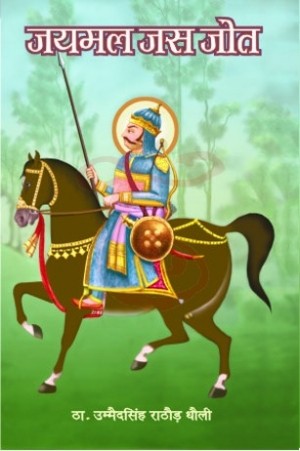
बात उस समय की है जब चित्तोर पर अकबर का आक्रमण होने वाला था और राणा उदय सिंह को मेवाड़ के सरदारो ने सुरक्षित रखने के लिए कुम्भलगढ़ भेज दिया था तथा उदयसिंह ने राव जयमाल मेड़तिया को सम्पूर्ण चित्तोर का भार सौप सेनापति नियुक्त किया था ये महाराणा प्रताप के सैनिक गुरु भी थे जयमल मेडतिया| मेड़ता छोड़ने के बाद वह अपने परिवार व साथी सरदारों के साथ वीरों की तीर्थ स्थली चितौड़ के लिए रवाना हो गया | 

उस ज़माने में चितौड़ देशभर के वीर योद्धाओं का पसंदीदा तीर्थ स्थान था मातृभूमि पर मर मिटने की तम्मना रखने वाला हर वीर चितौड़ जाकर बलिदान देने को तत्पर रहता था | 

जयमल का काफिला मेवाड़ के पहाड़ी जंगलों से होता हुआ चितौड़ की तरफ बढ़ रहा था कि अचानक एक भील डाकू सरदार ने उनका रास्ता रोक लिया अपनी ताकत दिखाने के लिए भील सरदार ने एक सीटी लगाई और जयमल व उसके साथियों के देखते ही देखते एक पेड़ तीरों से बिंध गया | 
जयमल व साथी सरदार समझ चुके थे कि हम डाकू गिरोह से घिर चुके है और इन छुपे हुए भील धनुर्धारियों का सामना कर बचना बहुत मुश्किल है वे उस क्षेत्र के भीलों के युद्ध कौशल के बारे में भलीभांति परिचित भी थे | 
कुछ देर की खामोशी के बाद राव जयमल के एक साथी सरदार ने जयमल की और मुखातिब होकर पूछा - "अठै क उठै " | जयमल का जबाब था "उठै " |

 जयमल के जबाब से इशारा पाते ही काफिले के साथ ले जाया जा रहा सारा धन चुपचाप भील डाकू सरदार के हवाले कर काफिला आगे बढ़ गया | डाकू सरदार को हथियारों से सुसज्जित राजपूत योद्धाओं का इस तरह समर्पण कर चुपचाप चले जाना समझ नहीं आया | और उसके दिमाग में "अठै क उठै " शब्द घूमने लगे वह इस वाक्य में छुपे सन्देश को समझ नहीं पा रहा था और बेचैन हो गया आखिर वह धन की पोटली उठा घोडे पर सवार हो जयमल के काफिले का पीछा कर फिर जयमल के सामने उपस्थित हुआ और हाथ जोड़करजयमल से कहने लगा -- हे वीर ! आपके लश्कर में चल रहे वीरों के मुंह का तेज देख वे साधारण वीर नहीं दीखते | 

हथियारों व जिरह वस्त्रो से लैश इतने राजपूत योद्धा आपके साथ होने के बावजूद आपके द्वारा इतनी आसानी से बिना लड़े समर्पण करना मेरी समझ से परे है कृपया इसका कारण बता मेरी शंका का निवारण करे व साथ ही मुझे "अठै क उठै" वाक्य में छिपे सन्देश के रहस्य से भी अवगत कराएँ | तब जयमल ने भील सरदार से कहा -- मेरे साथी ने मुझसे पूछा कि "अठै क उठै" मतलब कि (अठै) यहाँ इस थोड़े से धन को बचाने के लिए संघर्ष कर जान देनी है या यहाँ से बचकर चितौड़ पहुँच (उठै ) वहां अपनी मातृभूमि के लिए युद्ध करते हुए प्राणों की आहुति देनी है |

 तब मैंने कहा " उठै " मतलब कि इस थोड़े से धन के लिए लड़ना बेकार है हमें वही अपनी मातृभूमि के रक्षार्थ युद्ध कर अपने अपने प्राणों को देश के लिए न्योछावर करना है | इतना सुनते ही डाकू भील सरदार सब कुछ समझ चूका था उसे अपने किये पर बहुत पश्चाताप हुआ वह जयमल के चरणों में लौट गया और अपने किये की माफ़ी मांगते हुए कहना लगा -- हे वीर पुरुष ! आज आपने मेरी आँखे खोल दी , आपने मुझे अपनी मातृभूमि के प्रति कर्तव्य से अवगत करा दिया | मैंने अनजाने में धन के लालच में अपने वीर साथियों के साथ अपने देशवासियों को लुट कर बहुत बड़ा पाप किया है आप मुझे क्षमा करने के साथ-साथ अपने दल में शामिल करले ताकि मै भी अपनी मातृभूमि की रक्षार्थ अपने प्राण न्योछावर कर सकूँ और अपने कर्तव्य पालन के साथ साथ अपने अब तक किये पापो का प्रायश्चित कर सकूँ और वह भील डाकू सरदार अपने गिरोह के धनुर्धारी भीलों के साथ जयमल के लश्कर में शामिल हो अपनी मातृभूमि की रक्षार्थ चितौड़ रवाना हो गया और जब अकबर ने 1567 ई. में चितौड़ पर आक्रमण किया तब जयमल के नेत्रित्व में अपनी मातृभूमि मेवाड़ की रक्षार्थ लड़ते हुए शहीद हुआ| 1567 में जयमल और चित्तोर के वीरो ने 6 महीने तक मुगलो को किल्ले में घुसने नही दिया अंत में जब किल्ले का राशन ख़तम हो गया तब 11000 राजपूत वीरांगनों ने जौहर किया और राजपूतो ने शाका तथा 8000 राजपूत वीर 60000 कि अकबर कि सेना पर भूखे शेर कि तरह टूट पड़े और युद्ध के अंत में कुल 48000 सैनिक मारे गए जिनमे मुग़ल 40000 और राजपूत 8000 थे।

Brave Jaimal Vikram Rathore


“मरण नै मेडतिया अर राज करण नै जौधा “
“मरण नै दुदा अर जान(बारात) में उदा ” 

उपरोक्त कहावतों में मेडतिया राठोडों को आत्मोत्सर्ग में अग्रगण्य तथा युद्ध कौशल में प्रवीण मानते हुए मृत्यु को वरण करने के लिए आतुर कहा गया है मेडतिया राठोडों ने शौर्य और बलिदान के एक से एक कीर्तिमान स्थापित किए है और इनमे राव जयमल का नाम सर्वाधिक प्रसिद्ध है | कर्नल जेम्स टोड की राजस्थान के प्रत्येक राज्य में “थर्मोपल्ली” जैसे युद्ध और “लियोनिदास” जैसे योधा होनी की बात स्वीकार करते हुए इन सब में श्रेष्ठ दिखलाई पड़ता है | जिस जोधपुर के मालदेव से जयमल को लगभग २२ युद्ध लड़ने पड़े वह सैनिक शक्ति में जयमल से १० गुना अधिक था और उसका दूसरा विरोधी अकबर एशिया का सर्वाधिक शक्तिशाली व्यक्ति था |अबुल फजल,हर्बर्ट,सर टामस रो, के पादरी तथा बर्नियर जैसे प्रसिद्ध लेखकों ने जयमल के कृतित्व की अत्यन्त ही प्रसंशा की है | जर्मन विद्वान काउंटनोआर ने अकबर पर जो पुस्तक लिखी उसमे जयमल को “Lion of Chittor” कहा |

जयमल विक्रम राठौड़

राव जयमल का जन्म आश्विन शुक्ला ११ वि.स.१५६४ १७ सितम्बर १५०७ शुक्रवार के दिन हुआ था | सन १५४४ में जयमल ३६ वर्ष की आयु अपने पिता राव विरमदेव की मृत्यु के बाद मेड़ता की गद्दी संभाली | पिता के साथ अनेक विपदाओं व युद्धों में सक्रीय भाग लेने के कारण जयमल में बड़ी-बड़ी सेनाओं का सामना करने की सूझ थी उसका व्यक्तित्व निखर चुका था और जयमल मेडतिया राठोडों में सर्वश्रेष्ठ योद्धा बना | मेड़ता के प्रति जोधपुर के शासक मालदेव के वैमनस्य को भांपते हुए जयमल ने अपने सीमित साधनों के अनुरूप सैन्य तैयारी कर ली | जोधपुर पर पुनः कब्जा करने के बाद राव मालदेव ने कुछ वर्ष अपना प्रशासन सुसंगठित करने बाद संवत १६१० में एक विशाल सेना के साथ मेड़ता पर हमला कर दिया | अपनी छोटीसी सेना से जयमल मालदेव को पराजित नही कर सकता था अतः उसने बीकानेर के राव कल्याणमल को सहायता के लिए ७००० सैनिकों के साथ बुला लिया | लेकिन फ़िर भी जयमल अपने सजातीय बंधुओं के साथ युद्ध कर और रक्त पात नही चाहता था इसलिय उसने राव मालदेव के साथ संधि की कोशिश भी की, लेकिन जिद्दी मालदेव ने एक ना सुनी और मेड़ता पर आक्रमण कर दिया | पूर्णतया सचेत वीर जयमल ने अपनी छोटी सी सेना के सहारे जोधपुर की विशाल सेना को भयंकर टक्कर देकर पीछे हटने को मजबूर कर दिया स्वयम मालदेव को युद्ध से खिसकना पड़ा | युद्ध समाप्ति के बाद जयमल ने मालदेव से छीने “निशान” मालदेव को राठौड़ वंश का सिरमौर मान उसकी प्रतिष्ठा का ध्यान रखते हुए वापस लौटा दिए | 


मालदेव पर विजय के बाद जयमल ने मेड़ता में अनेक सुंदर महलों का निर्माण कराया और क्षेत्र के विकास के कार्य किए | लेकिन इस विजय ने जोधपुर-मेड़ता के बीच विरोध की खायी को और गहरा दिया | और बदले की आग में झुलसते मालदेव ने मौका देख हमला कर २७ जनवरी १५५७ को मेड़ता पर अधिकार कर लिया उस समय जयमल की सेना हाजी खां के साथ युद्ध में क्षत-विक्षत थी और उसके खास-खास योधा बीकानेर,मेवाड़ और शेखावाटी की और गए हुए थे इसी गुप्त सुचना का फायदा मालदेव ने जयमल को परास्त करने में उठाया | मेड़ता पर अधिकार कर मालदेव ने मेड़ता के सभी महलों को तोड़ कर नष्ट कर दिए और वहां मूलों की खेती करवाई | 

आधा मेड़ता अपने पास रखते हुए आधा मेड़ता मालदेव ने जयमल के भाई जगमाल जो मालदेव के पक्ष में था को दे दिया | मेड़ता छूटने के बाद जयमल मेवाड़ चला गया जहाँ महाराणा उदय सिंह ने उसे बदनोर की जागीर प्रदान की | लेकिन वहां भी मालदेव ने अचानक हमला किया और जयमल द्वारा शोर्य पूर्वक सामना करने के बावजूद मालदेव की विशाल सेना निर्णायक हुयी और जयमल को बदनोर भी छोड़ना पड़ा | अनेक वर्षों तक अपनी छोटी सी सेना के साथ जोधपुर की विशाल सेना मुकाबला करते हुए जयमल समझ चुका था कि बिना किसी शक्तिशाली समर्थक के वह मालदेव से पीछा नही छुडा सकता | और इसी हेतु मजबूर होकर उसने अकबर से संपर्क किया जो अपने पिता हुमायूँ के साथ मालदेव द्वारा किए विश्वासघात कि वजह से खिन्न था और अकबर राजस्थान के उस समय के सर्वाधिक शक्तिशाली शासक मालदेव को हराना भी जरुरी समझता था | 

The capture of Fort Mertha in Rajasthan, 1561.


जयमल ने अकबर की सेना सहायता से पुनः मेड़ता पर कब्जा कर लिया | वि.स.१६१९ में मालदेव के निधन के बाद जयमल को लगा की अब उसकी समस्याए समाप्त हो गई | लेकिन अकबर की सेना से बागी हुए सैफुद्दीन को जयमल द्वारा आश्रय देने के कारण जयमल की अकबर से फ़िर दुश्मनी हो गई | और अकबर ने एक विशाल सेना मेड़ता पर हमले के लिए रवाना कर दी | अनगिनत युद्धों में अनेक प्रकार की क्षति और अनगिनत घर उजड़ चुके थे और जयमल जनता जनता को और उजड़ देना नही चाहता था इसी बात को मध्यनजर रखते हुए जयमल ने अकबर के मनसबदार हुसैनकुली खां को मेड़ता शान्ति पूर्वक सौंप कर परिवार सहित बदनोर चला गया | और अकबर के मनसबदार हुसैनकुली खां ने अकबर की इच्छानुसार मेड़ता का राज्य जयमल के भाई जगमाल को सौंप दिया |


अकबर द्वारा चित्तोड़ पर आक्रमण का समाचार सुन जयमल चित्तोड़ पहुँच गया | २६ अक्टूबर १५६७ को अकबर चित्तोड़ के पास नगरी नामक गांव पहुँच गया | जिसकी सूचना महाराणा उदय सिंह को मिल चुकी थी और युद्ध परिषद् की राय के बाद चित्तोड़ के महाराणा उदय सिंह ने वीर जयमल को ८००० सैनिकों के साथ चित्तोड़ दुर्ग की रक्षा का जिम्मा दे स्वयम दक्षिणी पहाडों में चले गए | विकट योद्धों के अनुभवी जयमल ने खाद्य पदार्थो व शस्त्रों का संग्रह कर युद्ध की तैयारी प्रारंभ कर दी | उधर अकबर ने चित्तोड़ की सामरिक महत्व की जानकारिया इक्कठा कर अपनी रणनीति तैयार कर चित्तोड़ दुर्ग को विशाल सेना के साथ घेर लिया और दुर्ग के पहाड़ में निचे सुरंगे खोदी जाने लगी ताकि उनमे बारूद भरकर विस्फोट कर दुर्ग के परकोटे उड़ाए जा सकें,दोनों और से भयंकर गोलाबारी शुरू हुई तोपों की मार और सुरंगे फटने से दुर्ग में पड़ती दरारों को जयमल रात्रि के समय फ़िर मरम्मत करा ठीक करा देते।


Verses by Jaimal Mertiya before final battle of Chittorgarh Mewar 

जयमल भज जगदीश को, झूटा तजदे फोड़
अंत समय भिळसी अवस ठीक राख मन ठोड़।

लाज रखे तो जीव रख लजवन जीव रख 
साईं तो सूँ वीनती दोनुं भेळा रख।

बिना लाज जीवण बुरो, अकबर सुं जुद्ध आज 
राखी ज्यूँ अब राखजे लघु जयमल की लाज। 

अनेक महीनों के भयंकर युद्ध के बाद भी कोई परिणाम नही निकला | चित्तोड़ के रक्षकों ने मुग़ल सेना के इतने सैनिकों और सुरंगे खोदने वालो मजदूरों को मारा कि लाशों के अम्बार लग गए | बादशाह ने किले के निचे सुरंगे खोद कर मिट्टी निकालने वाले मजदूरों को एक-एक मिट्टी की टोकरी के बदले एक-एक स्वर्ण मुद्राए दी ताकि कार्य चालू रहे | अबुलफजल ने लिखा कि इस युद्ध में मिट्टी की कीमत भी स्वर्ण के सामान हो गई थी | बादशाह अकबर जयमल के पराकर्म से भयभीत व आशंकित भी थे सो उसने राजा टोडरमल के जरिय जयमल को संदेश भेजा कि आप राणा और चित्तोड़ के लिए क्यों अपने प्राण व्यर्थ गवां रहे हो,चित्तोड़ दुर्ग पर मेरा कब्जा करा दो मै तुम्हे तुम्हारा पैत्रिक राज्य मेड़ता और बहुत सारा प्रदेश भेंट कर दूंगा | लेकिन जयमल ने अकबर का प्रस्ताव साफ ठुकरा दिया कि मै राणा और चित्तोड़ के साथ विश्वासघात नही कर सकता और मेरे जीवित रहते आप किले में प्रवेश नही कर सकते |


The following verse is a famous but rare Rajputana ballad, which can still be heard from the old timers of Chittorgarh.This ballad has been passed down through several generations. It contains the words ofRaja Jaimal Rathore, commander of the Chittor fort during the 3rd siege, conveyed to the Mughal Emperor Akbar by the Dodiya Thakur of Lava Sardargarh -Thakur Sanda Sinh Ji*:

"Jaimal likhe Jawab jad Sun je Akbar Shah
Aan phire Garh Utra Tuta Sir Pat Sah
Hai Garh Mano Ghu Ghani Asur Tere Simhaar
Uncheyea Garh Chittod Ri Bhedi Mohi Deewar"

The English translation is --

Oh Shahinshah Akbar! Listen carefully the answer of our chief - Jaimal.
You can not set your foot in our pious fort of Chittor, as long as Jaimal Rathore is alive.
Unless you walk over my corpse, you cannot enter our Garh - Chittor.

Because, right now this Garh of Chittor is MINE.
My master, The Rana - His Majesty has appointed me to take care of this fort.
He has given the keys of this Fort to me.
Forget entering the Fort, as long as i'm alive, the enemy(demon) can't even set it's eyes at my pure fort.
Jaimal is a wall which has to be crossed to enter the Fort of Chittor

.{* More about the Brave Dodia Thakur of SardarGarh can be read in other post.}


Rathores of Bednore, amongst the 16 Umraos of Mewar sat at the right side of Ranas.

Jaimal Rathore chose Mewar as his Karmabhoomi & died a most glorious death at the Third Siege of Chittorgarh, 1568, 23 Feb.

His elder son, Rao Mukund died defending Kumbhalgarh, 1568 campaign.

His younger son, Rao Ram Singh who led the Haraval (Vanguard) at Haldighati, died there, 1576 !

Jaimal’s nephew, whom Fazl calls an inspiration for Rajputs, Kalla ji died with Jaimal at Bhairav Pol on day of Saka, 23 Feb 1568…

He was a direct descendant of Rao Jodha(1415-1489), the king who founded of thecity of Jodhpur in 1459. 

Rao Jodha had a son named Rao Dudha(1440-1515) from his queen, Rani Champa Bai Songara Chauhan. Rao Dudha was given the estate ofMerta, and hence, he established the Merta offshoot of Rathores here.Born on 17th September 1507, 


Jaimal was a grandson of Rao Dudha. son of Biramdev, ruler of Merta was Famous Meera Bai first cousin.

He was granted the estate of Bednor by Rana Udai Singh in 1554, in recognition of his exceptional services. Before Chittor siege, In 1557, Battle of Harmada, the forces of Rao Maldeo defeated forces of Udai Singh of Mewar and Merta was captured and assigned to Maldeo’s trusted chief Jagmal. Rao Maldeo Rathore, broke the Rajput tradition of primogeniture (eldest son takes his father seat) and named his third son Rao Chandra Sen as his successor. Chandrasen Rathore crowned himself in the capital Jodhpur and ousted his elder brother, Rao Udai Singh (Marwar).

1562: Battle of Merta

As per Nainsi, in 1562, Jaimal of Merta (brother of Jagmal), presented himself at Sambhar and sought his help against Maldeo. Interested in taking advantage of these internal situation, Akbar responded favourably to request of Jaimal and appointed Sharifuddin Husain Mirza along with Jaimal and Lonkarn Shekhawat to march against Rao jagmal.

The city was captured and was given back to Rao Jaimal.

Consequence:

Jaimal became the governor of Merta under Sharifuddin Husain Mirza. But soon, Mirza revolted against Akbar and created disorder in the region of Ajmer and Nagaur. Akbar sent an army under the command of Hussain Quli Khan-i- Jahan who successfully suppressed the rebellion and brought Ajmer and Nagaur under imperial control.

The fort of Merta which Jaimal held with the approval of Mirza Sharifuddin was transferred again back of Jagmal. Jaimal was dethroned and moved to seek refuge with Rana Udai Singh of Mewar.

In 1562, Akbar with the help of Rajas from Bikaner and Amer defeated Rao Chandra Sen in Battle of Merta and advanced towards Jodhpur.

There is another veraion which says Jaimal had earlier, fought a pitched battle against Mughal Subedar Sharf-ud-din, brother-in-law of Mughal Emperor Akbar, in the Battle of Merta in 1562-63. This was also a siege of several months. 

Finally, being outnumbered, Merta was lost to Mughals, after carrying out the Jauhar and Saka. Later, JaiMal shifted to his other estate of Bednor.

The sequence of rulers is :
Rao Jodha(Jodhpur) -> Rao Dudha(Merta) -> Rao Vikram(Merta) -> Rao JaiMal(Bednor).

The famous Jaimal Rathore Along with Patta Chundawat, he took the reins of Chittor during of Siege of Chittorgarh,1567-68. When Turk lutera Jalaludin Mohamad laid a siege to the Fort of Chittor. He is said to have died from a bullet fired from the match-lock - Sangram, of Mughal Emperor Akbar. Akbar accidentally shot him which led to the II Jauhar &
Saka of Chittorgarh.

Akbar on the rt shot Jaimal. AbulFazl, "he killed Jaimal", fact is he was hit in the knee. Next day Saka was led by Jaimal & Patta.
Jaimal Ji, fought riding shoulders of his nephew Kalla Ji. Earning epithet, CHARBHUJA, 4 armed. Horses abandoned, no one leaves alive is SAKA. 


But, Rajputana sources give a slightly different account. According to them, Jaimal was wounded, not died. According to one of the sources - 

" Udaipur Ka Itihaas " , which when read, says, Jaimal died between the place called "Hanuman Pol and BhairavPol" while fighting a soldier's death.Jaimal was indeed wounded during the attempt to fill a breach created by the Mughal mining. Due to this wound he was unable to mount a horse. Hence, when the Mughal soldiers started pouring in the morning after Jauher, he sat on the shoulders of a soldier and wielding swords in both his hands fought bravely like a normal soldier, not like a battle general, before he finally fell fighting near the SurajPol.

Akbarnama records Jaimal's end as follows: On Tuesday, February 23, 1568, Akbar noticed at the breach a personage wearing a chief's cuirass who was busy directing the defence. Without knowing who the chief might be, Akbar aimed at him with his well-tried musket Sangram. When the man did not come back, the besiegers concluded that he must have been killed. Less than an hour later reports were brought in that the defences were deserted and that fire had broken out in several places in the fort. Raja Bhagwan Das, being familiar with the customs of his country, knew the meaning of the fire, and explained that it must be the jauhar performed at Chittor.

Early in the morning the facts were ascertained. The fortress, chief whom Akbar's shot had killed proved to be Jaimal Rathor of Bednor, who had taken command of the fortress. As usual in India the fall of the commander decided the fate of the garrison. Shortly before Jaimal was killed a gallant deed was performed by the ladies of the young chieftain Patta, whose name is always linked by tradition with that of Jaimal.

Sons: we know the details of 2 of his sons.-> 

His eldest son Rao Mukund Rathore perished in the Battle at Kumbhalgarh Fort, during the Siege of Chittor in 1568. As we know, this battle was fought not only for Chittor, but also for the supremacy of other fortresses of Mewar. At other fronts also the battle was continuing.-> 

His younger son Rao Ram Rathore perished in the Battle of Haldighati, 18th June 1576, fighting against forces of Mughal Emperor Akbar, alongside Maharana Pratap.

Mother:

His mother is said to be Rani Gorajia Kanwar, Chief Queen of his father. It is not 100% sure to me if she was his biological mother. She was the daughter of Rana Raimal of Mewar(died 1508) and sister of Rana Sanga(died 1527). Hence, JaiMal was also related to Mewar just like Patta.

Father::

His father was (the son of above mentoned Rao Dudha) - Rao Vikram Rathore, the ruler of Merta till his death in 1544.

Brothers:

About his siblings, we know of one. His elder brother was Pratap Rathore, who also gave his life in the Saka at Chittor in 1568. 

He was the ruler of the strategically important estate of Ghanerau, in present day Pali district of Rajasthan. Present on outskirts of Udaipur.His son Gopal Rathore, actively served Mewar till his death in 1626, and constructed a beautifulcastle here in 1606.

View of GhaneRau Castle


Conclusion:

The bitter victory document issued by Mughal Emperor Akbar after the victory at Chittor bears testimony to the fact - 


the havoc wrecked across the Mughal ranks by the 2 Chiefs - Jaimal and Patta.

Though bitter, but still, the victory document of Mughal Emperor Akbar recognizes the bravery of these two 'enemies' in following words -"Jaimal and Patta who are renowned for their valoramong the infidels.......aresingly considered to beequal to a thousand horsemen in intrepidity and prowess.......

"The names of Jaimal and Patta have become synonymous with the House of Mewar and the Fort of Chittor. Whenever, one talks about Chittor, names of Jaimal and Patta surely come to one's mind. 

Their deeds evoke a sense of deep respect and a pride to be cherished by the posterity.There are lesser known heroes who have earned a place even in the Mughal records for their valor, 

Especially the name of Isar Das Chauhan - who fought an elephant with a bare knife, when it was sent to spread rampage and destruction in the battle-field. First, 50 and then 300 elephants were let loose after arming their trunks with swords in the battle-field. Among them was a favorite elephant of Akbar named Madukar, and Abu'l Fazl records,

Isar Das took hold of it's tusk and stabbed it with a dagger and asked him to "convey his(Isar Das's) regards to His Master(Akbar)" in the following words - 

"Be good enough to convey my respects to your world adorning appreciator of merit".

Every one loves his/her land. In a war, there are two sides. For one side, the other side is an enemy. Same was the case here. Akbar wanted to capture Chittor. These people wanted to defend it. 

The war was different because this is one war, where one gets the written evidence of involvement of women-folk fighting alongside men for their beloved motherland.

This post is a homage to those warriors who staked theirallin fight for their principles.

Note

Rawat Chundavat also gave his life in the Saka at the Battle of Chittor on 24th February 1568. Along with him, his ONLY son Kunwar Amar also died on the same day in the Saka at the Fort of Chittor.