Saturday, August 14, 2021

JAAM ABDAAJI 'ADBANG' JADEJA - IMMORTAL RAJPUTS

जब शरणागत 140 सुमरा-मुस्लिम कन्या को बचाने के लिए जाडेजा राजपुतो ने किया जौहर और शाका...!!!


बात हे विक्रम सवंत 1356(ई.स. 1309) की तब गुजरात के कच्छ क्षेत्र में जाडेजा राजपुतो का राज था |कच्छ के वडसर में जाडेजा राजवी जाम अबडाजी गद्दी पर बिराजमान थे | जाम अबडाजी एक महाधर्मात्मा और वीरपुरुष होने की वजह से उनको “अबडो-अडभंग, अबडो अणनमी” नाम से भी जाना जाता था |

उस समय सिंध के उमरकोट में हमीर सुमरा(सुमरा परमार वंश की शाखा थे जो धर्म परिवर्तन कर मुस्लिम बन गए थे।अब सिंध पाकिस्तान में हैं) जिसको सोरठ के चुडासमा राजवी रा’नवघन ने अपनी मुँह बोली बहेन जासल का अपहरण करने पर मार डाला था, उसके वंश में डोडा और चनसेर नामके दो मुस्लिम-सुमरा शाशक राज करते थे | इन दोनों भाईओ के बिच में आपसी कलह बहुत चलता रहेता था, जिसकी वजह से छोटे भाई चनसेर ने उमरकोट की गद्दी हथियाने के लिए दिल्ली के शाशक अलाउदिन-खिलजी से जाके कहा की “आपके जनान-खाने के लिए अच्छी सी सुन्दर सुमरी कन्या मैंने राखी हुई थी, पर मेरे भाई डोडे ने मेरा राज्य हथिया लिया और खुद सिंध की गद्दी पर बैठ गया | इसलिए में आपके पास सहायता मांगने के लिए आय हु” और कहा की “आप खुद सिंध पधारिए और मुझे मेरी गद्दी वापस दिलवाए तथा स्वयं उस स्वरूपवान सुमरी कन्याओ को कब्जे में ले कर दिल्ही अपने जनान-खाने के लिए ले जाए |

इस बात को सुनकर अलाउदीन खिलजी ने अपना लश्कर लेकर सिंध पर चड़ाई की और अपने सेनापति हुसैन खान के द्वारा धोधा को संदेसा भिजवाया की दिल्लीपति अलाउदीन खिलजी के साथ उस सुमरी कन्याओ का विवाह करवाओ” लेकिन धोधा ने इस बात से मन कर दिया और वो अलाउदीन के साथ लड़ने के लिए तैयार हो गया | और युद्ध में जाते समय उसने अपने वफादार भाग सुमरे को कहा की अगर मुझे कुछ हो जाए तो इन सुमरियो को कच्छ के जाम अबडाजी के पास भेज देना, एक वो ही वीर पुरुष हे जो इन सुमरियो को बचा सकते हे | इतना कह कर डोडा सुमरा अपनी फ़ौज के साथ अलाउदीन से भीड़ गया | उसकी सेना अलाउदीन की विशाल सेना के सामने बहुत छोटी होने के कारण वो युद्ध भूमि में ही मारा गया | जब सरदार हुसैन खान ने डोडे की लाश को पैरो से लात मरी तब उसके भाई चनसेर को बहुत अफ़सोस हुआ और उसने हुसैन खान का सिर धड से अलग कर दिया, बाद में वो भी अलाउदीन के लश्कर द्वारा मारा गया | बाद में अलाउदीन ने जब उमरकोट नगर में जाके देखा तो वह पे सुमरि कन्याओ का नमो निशान नहीं था | उसे बाद में पता चला की सभी सुमरी कन्या कच्छ की तरह जा चुकी हे, इसलिए उसने अपने लश्कर को कच्छ की तरफ कुच करवाया |

इस तरफ कच्छ में भाग सुमरा उस 147 मुस्लिम कन्याओ के साथ कच्छ के वडसर के पास आए, पर ये सुमरी कन्या बहुत चलने के कारण थकी हुई थी जिससे उनको कच्छ के रोहा पर्वत पर आराम करने के लिए कहेकर खुद जाम अबडाजी से मिला और उनसे कहा की “मुझे सिंध के डोडा सुमरा ने आपके पास भेजा हे और सब हकीकत जाम अबडाजी को बताई की अब आप ही इन सुमरी कन्याओ को अलाउदीन के जनान खाने से बचा सकते हे” इसे सुनकर अबडाजी ने संदेशा भिजवाया की की...

भले आवयु भेनरू, अबडो चयतो ईय
अनदिठी आडो फीरां, से डिठे दियां किय...?
(अर्थ:- मेरी बहेनो अच्छा किया आप मेरे पास आ गई, अगर मेरे ध्यान में भी कुछ नही हो फिर भी में उसको बचाने के लिए जाता हु, आप तो स्वयं मेरे पास आई हों अब आपको कैसे जाने दूँ, आप निश्चिंत रहिये।)
और इन सुमरी कन्या को लाने के लिए जाम अबडाजी ने बैल-गाडे भिजवाए पर इन बैल-गाड़े को सुमरी कन्या दुश्मन का लश्कर समज बैठी और डर के मारे इन 147 सुमरी कन्या में से 7 ने वही पर आत्म-हत्या कर लि | बाकि की 140 सुमरी कन्या वहा से वडसर आ पहुची | बादशाह का लश्कर वडसर की तरफ आ रहा हे इस बात को जानकर जाम अबडाजी ने रोहा पर्वत के उपर रात को मशाले जलवाकर खुद बादशाह के लश्कर को युद्ध के लिए आमत्रित किया...!!!अलाउदीन का लश्कर वडसर के पास आ कर रुक गया और दोनों तरफ फौजे इक्कठा हो गई |


जाम अबडाजी की सेना में ओरसा नामका एक मेघवाल जाती का आदमी भी था जो बहुत ही बहादुर था, उसने जाम अबडाजी को कहा की अगर आज्ञा दे तो में अकेला ही रात को जाकर उस अलाउदीन का सिर काट के आपके पास रख दु, लेकिन जाम अबडाजी ने उसे कहा की “ऐसे कपट से वार दुशमन को मारने वाला में जाम अबडाजी नहीं हु फिर भी तुम कुछ ऐसा करो जिससे अलाउदीन की रूह कांप उठे” | ये ओरसा मेघवाल जाती से था जो मृत पशुओ की खाल उतारने का कम करते थे, उसने एक युक्ति निकाली और रात को वो कुत्ते की खाल पहेनकर अलाउदीन के लश्कर में भीतर जाता हुआ उसके तंबू में घुस गया, उसका मन तो सोते हुए अलाउदीन का सिर काटने का ही था, पर जाम अबडाजी के मना करने की वजह से उसने अलाउदीन का शाही खंजर निकल लिया और उसकी जगह अपना खाल उधेड़ने वाला खंजर रख दिया | सुबह फिर जाम अबडाजी ने अलाउदीन खिलजी को संदेशा भिजवाया की “अगर में चाहू तो कपट से तेरा सिर धड से अलग करवा सकता था लेकिन क्षत्रिय ना ही ऐसा करते हे न ही दुसरो से करवाते हैे, इसलिए अब अभी समय है चला जा यहाँ से और भूल जा मुस्लिम सुमरी कन्या को”, और निशानी के तौर पर उसको उसका शाही खंजर भिजवाया | जिसे देखकर अलाउदीन हक्का-बक्का रह गया | उसने सोचा की जिसका एक आदमी उसके इशारे पे ये कार्य कर सकता हे उसके साथ युद्ध नही करता ही अच्छा हैे | इसलिए उसने जाम अबडाजी जो पत्र लिखा की अगर आप उस मुस्लिम सुमरी कन्याओ को मेरे हवाले कर दे तो में आपको कोई भी नुकशान नहीं करूँगा | लेकिन जाम अबडाजी ने जवाब दिया की “मैंने उन सुमरी कन्या को वचन दिया हे की जब तक में जिन्दा हु तब तक आपको उनके साथ कुछ नहीं करने दूंगा, और क्षत्रिय कभी अपनी जुबान से नहीं हिलता” भूल जा उस कन्या को |

इसे सुनकर दुसरे दिन सुबह फिर अलाउदीन ने अबडाजी के लश्कर पर हमला बोल दिया | जाम अबडाजी और ओरसा अपनी सेना के साथ अलाउदीन के लश्कर को काटते काटते उसके हाथी के पास पहुच गए थे तभी ओरसा पर किसी ने पीछे से हमला कर उसे मार डाला | इस पराक्रम को देखकर अलाउदीन ने दूसरी बार जाम अबडाजी को सुलह के लिए संदेसा भिजवाया लेकिन जाम अबडाजी अपनी बात से हिलने वाले कहा थे | दुसरे दिन फिर युद्ध शुरु हो गया इस तरह ये युद्ध ७२ दिनों तक चलता रहा धीरे धीरे जाम अबडाजी का सैन्य कम होता जा रहा था | आखिर में उन्होंने अपनि राणी और राज घराने की औरतो को बुलाकर कहा की अब अंत आ गया हे हम ज्यादा देर तक अलाउदीन के लश्कर का सामना नहीं कर सकेंगे | और उन्होंने सुमरी कन्याओ को वडसर गाव से 2 कोस दूर पर्वत पर भिजवाया और साथ में दूध का प्याला देकर कहा की जब इस दूध का रंग लाल हो जाए तो समाज लेना में इस दुनिया में नहीं रहा |

जिसे सुनकर राजपुत क्षत्राणी ने वडसर के गढ़ के बीचो बिच चंदन की लकड़ी इकठ्ठा की उसकी श्रीफल धुप आदि से पूजा करके फिर चिता जलाके एक के बाद एक राजपुत क्षत्राणी “जय भवानी” के नारे के साथ चिता पर चड गई और इस तरह जौहर व्रत का अनुष्ठान किया | जिसके बाद सभी राजपुत योध्दाओं ने माथे पे राजपुत क्षत्राणी की भस्म लगाकर केसरिया साफा पहेनकर “हर हर महादेव” के नारे के साथ अलाउदीन के लश्कर पर टूट पडे |

जाम अबडाजी अदभुत पराक्रम दिखाकर युद्ध भूमि में सहीद हो गए | एस तरफ सुमरी कन्या के पास रखे दूध के प्याले में दूध का रंग लाल हो गया | वे समज गई की अब उनको बचाने वाला कोई नहीं रहा | कहेते है की उस समय उनकी ऊपरवाले की प्रार्थना से ज़मीन फट गई और सभी सुमरी कन्या उसमे समा गई, एक कन्या का दुप्पटा बहार रह गया था क्योकि उसको किसी मर्द ने छुआ था | अलाउदीन के हाथ में कुछ नहीं लगा और वो भारी पस्तावे के साथ वापस चला गया | बाद में वडसर की गद्दी पे अबडाजी के पुत्र डुंगरसिंह जो लड़ाई के वक़्त उसके माम के यहाँ थे वो बेठे |

ये घटना विक्रम सवंत 1356 में फागुन वद 1 को हुई थी | इस युद्ध में जाम अबडाजी के भाई जाम मोडजी भी सहीद हुए थे | आज भी वडसर गाव जो कच्छ जिल्ले की नलिया तहेसिल में स्थित हे, उस वडसर गाव में नदी के किनारे जाम अबडाजी और जाम मोडजी दोनों के स्मारक मौजूद हे, और हर साल वहा पे होली के दुसरे दिन यानि फागुन वद 1 को इन स्मारकों को लोग वहा पे आकर पूजा करते हैे | और हर साल जन्माष्टमी को वह पे मेला भी लगता है |

कच्छ का लोकसाहित्य में आज भी जाम अबडाजी को याद किया जाता हे उनपे बने काव्यो द्वारा, जिसमे से कुछ पंक्तिया यहाँ पे रख रहे हे....

अठ मुंठुं जे ज्युं मुछदियुं, सोरो हाथ धडो,
सरण रखंधळ सुमरीऊँ, अभंग भड अबडो ||
(अर्थ:- जिसकी मुछे आठ मुठ जितनी लंबी है, और जिसका शरीर सोलह बाज़ुओ जितना ताकतवर है, वो अनभंग अबडा ही शरणागत सुमरियो की रक्षा कर सकता है)

जखरा ! तू जस खरो ब्या मीडे ऐ खान,
मिट्टी उन मकान, असल हुई इतरी ||
(अर्थ:- हे जाम जखरा(अबडाजी का दूसरा नाम) सही में यशस्वी तो तू ही है. दुसरे तो मात्रा कहेने के है | तू जिस मिट्टी से बना है, वो सिर्फ तेरे लिए ही बनी थी किसी और के लिए नहीं |)

जखरा ! तुं जिए, तोजो, मंचो केनि म सुणा,
अखिये ने हिये, नालो तोजे नेहजो ||
(अर्थ:- हे जखरा जाम , तू सदा इतिहास में अमर रहेगा | हमारी आंखे और अंतर में तेरा नाम हमेशा अमर रहेगा |)

जखरे जेडो जुवान, दिसां न को देहमे,
मिट्टी उन मकान असल हुई इतरी ||
(अर्थ:- जाम जखरा जेसा वीर पुरे देशमें एक भी नहीं है, वो जिस मिट्टी से बना था उस मिट्टी से और कोई नहीं बना |)


In early 14 century Sama dynasty Rajput Jam Abada Jadeja was the ruler of Abadasa area of western Kutch with capital at Vadsar.He was very brave.In 1314 AD Delhi Sultan Alauddin army attacked Sumara king Ghogha at his capital Umarkot in Sindh. 140 Sumari queens & princesses fled to Kutch.140 Sumari queens & princess took refuge under Jam Abada at Vadsar Kutch.Alauddin's army followed beautiful women of Sumara king & came to Vadsar.Alauddin's army chief ordered Jam Abada to surrender 140 Sumari women. Instead of surrendering refugees, Jam Abada fought for 5 weeks & died.Jam Abada fought with Alauddin army for 5 weeks & died in unequal fight thereby acquiring immortal fame in Kutch history.He was really brave.


Kutch Rajput women of Jam Abada family & 140 Sumari women of Sindh royal family became Sati by burning themselves in the fire of pyre at Vadsar.A monument temple is built in memory of brave Jam Abada Jadeja on the river bank at Vadsar Kutch where fair is held on Holi festival every year.Our tribute to brave Jam Abada Jadeja who sacrificed his life performing Kshatriya Dharma-duty in the protection of refugee Sumari women.


Friday, August 6, 2021

THE PRESERVATION OF SACRED ANCIENT MONUMENTS

If you don't protect what you love, someone else will destroy it.


Let such approach this consecrated Land, 

And pass in peace along the magic waste; 

But spare its relics let no busy hand 

Deface the scenes, already how defaced ! 

Not for such purpose were these altars placed ; 

llevore the remnants Nations once revered : 

So may our Country's name be undisgraced, 

So may'st thou prosper where thy youth was reared, 

By every honest joy of Love and Life endeared:


SIR, we rise to move that this Bill, this very unwelcome Bill be circulated for eliciting public opinion thereon. 
It was with feelings of deep sorrow and pain that I 
read some of the provisions of this Bill, and it is with 
an oppressed heart and a feeling of helplessness that one rise to move this motion. The matter of the Bill is not only of the greatest, but is of vital importance to those who have the pride of their country in them, or who have even the slightest idea of their duty to the dead and to the living in this country. The Bill is so cleverly, so skilfully, so unfairly drafted as to conceal its real, sinister object behind a number of superfluities and details, behind a hypocritical show of solicitude for the 
preservation of the ancient monuments of India. The 
Bill is styled, The Ancient Monuments Preservation 
(Amendment) Bill. Verily, its object is nothing more 
and nothing less than to amend, to alter, to modify, in 

Speech delivered on the Ancient Monuments Preservation (Amendment) Bill in the Legislative Assembly, Simla, on 29 September 1931 A.D.

fact, partly to do away with the provisions lor Preserving things, that exist in the Ancient Monuments Preservation Act of 1904. The shade of Lord Curzon must be watching with sadness and sorrow the blasting of some of his dearest hopes, the destruction of the work, of which he was justly proud, and with the distinction of the initiation of which, his memory will in this country be associated for all time to come. 

Sir, the object of this measure is, to put it plainly, to 
legalise the removal from India of some of its most 
cherished possessions, its most sacred objects, some of the remains of its ancient greatness, its choicest treasures which nothing in the world can buy, which no price can secure. And the beauty of it all is that this is sought to be accomplished in the name of preservation of India's sacred trust, in the name of scientific research, in the name of helping civilization. Sir, what great wrong has been done to any country, to any people but the perpetrators of it started to do it after trumpeting forth their earnest desire to help their victims or to advance the cause of civilization and culture. Well has an American poet, Bertrand Shadwell, said : 

If you dare commit, a wrong 

On the weak, because you're strong, 

You may do it if you do it for his good; 

You may rob him, if you do it for his good ; 

You may kill him, if you do it for his good ; 

And, Sir, would you regard it as a piece of good, 
fair work to attempt to rush this Bill through, 
towards the fag end of a short session without 
consulting public opinion, and without letting those, 
whom it deeply touches, have a chance of saying what they think of this sinister measure, and when half the elected Members of the House have gone home, and the minds of those who still remain in the House are occupied by urgent matters of grave financial and economic importance to the country ?

Sir, the ancient monuments of India and the anti- quities that lie buried underground in his country are, so far. as antiquarian matters are concerned, the only things left in the country of which Indians feel proud, and which they are anxious to preserve against the inroads of the outsiders. Most of the rare and priceless antiquities, invaluable works of art, sculptures, paintings, manuscripts, precious stones that could be removed have already been taken away to England and other countries of Europe and America. Nearly all that could be removed has been removed out of India and there is little doubt that if it had been possible for European science and engineering skill to remove the Ajanta and the Ellora caves, the Taj, the Qutab Minar and the Adhai din ka Jhonpra, the Sanchi Stupas and such other things, they should by this time have been found adorning London and other cities in Europe. 

Not satisfied with robbing India of all products 
of genius and works of art found on the surface, 
it is now sought to remove out of this country 
what lies buried underground. Are the Government of India, willing to stand by and see the country denuded of all those rare things that human genius could devise, invent or produce in this country, and are they willing to allow all and sundry of the exploiters of Europe and America to excavate and take away its heirlooms and the remains of its ancient greatness treasures which are either the products of the highest efforts of human genius or are, which is a matter of the gravest consequence, the remains of our great ancestors who have, and will continue to, shed lustre on the name of our sacred Motherland as long as history endures, and whose memory we revere, and whose lives are a perennial source of inspiration to us in our lives. 

 
Sir, to have allowed our antiquities to be taken out of the country is the greatest injury that the Goverment of India have done to India. Sir, the things that,have been and are sought to be taken out of India roughly fall into four classes:-

(1) Sacred objects, such as the remains of founders of great religions, or other great men, whom large classes of people worship or hold in religious reverence and respect. 

(2) Works of art such as sculptures, antiquities, paintings, frescoes, illuminated manuscripts, bequeathing to posterity results of centuries of work and labour, of thought the achievements, intellectual and spiritual, of the pioneers of civilization, in science, literature, philosophy and art, that illumine the pages of history and constitute a most brilliant chapter in the annals of mankind.

(3) Records of facts and events necessary and essential to a proper understanding and elucidation, not only of the history of India, political, social, religious and economic, but of the evolution of art itself in its multifarious branches, and the reconstruction of that history by proper research and piecing together the results of such research in the various branches of human effort, for instance, coins, stone and copper-plate inscriptions, sculptures, arch-stones to show that true arches were known in ancient India ; historic manuscripts found buried in mounds ; and, fourthly, rare products of nature such as the wonderful Kohinur, the Pitt, the Regent, the first two being the greatest and the most glorious diamonds of the world, associated with the history of India in its various stages and the glorious deeds of the great men it has produced. 

Sir, We at present concerned only with objects 
which may come to light on excavations under a 
licence and are liable to be removed out of the country. These objects all fall under the four classes enumerated above. In the first class are sacred objects, and We will give here two instances where the feelings of the people of this country have been outraged. 

A few years ago a stupa at Shahji ki Dheri, 
near Peshawar, built by Emperor Kanishka in the second century, was excavated and the remains 
deposited there with the greatest reverence and 
religious veneration by leading Indians of that time, of one who is worshipped and venerated by more than a third of the human race at the present time, one who has shed ever-lasting lustre on this great and ancient land, one who has ennobled the lives and has been the solace of millions of human beings in the last twenty-four centuries ; one of the noblest of men, the Great Sakyamuni of Kapilavastu, the Buddha, were removed from its sacred place of rest and sent out of India to Burma which is on the eve of becoming a foreign country to us. In 1916, some of the relics, remains of Buddha or other religious and holy men of India, found in stupas at the Dharmrajika Stupa at Tak- shashila, modern Taxila, were given away to Buddhists of Ceylon, a foreign country, and removed out of India. Sending them to Burma or Ceylon, where Buddhism prevails is no palliation of the wrong done to India. Sir, these sacred remains are the property, not of the Government of India for the time being, not even the exclusive property of the present people of India, but also of the generations of Indians yet to come. 

Sir, Buddha occupies a permanent and a high 
place in Hinduism. He is held to be the tenth 
Avatar or Incarnation of the Deity, just like Sri Ham or Sri Krishna. What country in the world except India has the right to keep in its sacred and reverential possession, the remains of the Enlightened, the Great Buddha, who was born in India, who lived all his life in India, and who died in India, and whose parents and ancestors all lived and died in India? Buddha was a product of India, son of Mother India in body and soul, the pride of India, and the crown of its glory. The glory of having given birth to Buddha and the privilege and honour of returning his mortal remains to Mother Earth belong to India ; and it is the pride and privilege, the honour and the duty of the sons and the daughters of India to guard those remains for all time to come. 

To exhume his remains from their sacred resting 
place and send them out of India is, I say in extreme humiliation and sorrow, a great outrage against our feelings of religious reverence and veneration. We apologise for using strong language, but the occasion demands it, and we have felt this act as strongly as our weak, humiliated nature is capable of feeling. 

And we say, Sir, that we would look with horror upon any attempt to exhume the remains of any Muslim saint in India. All Indians, whatever their faith and religion, whatever their culture, must and do look upon the remains of Muslim saints and Muslim great men that lie buried under mounds and ruins as sacred objects to be guarded and kept undisturbed by exploiters. I would condemn and resist all attempts to remove out of India to any country those sacred remains. It is the duty of all Indians to hold them as a sacred trust, and we regard it our duty to prevent their removal from India. 

Sir, has any country, we ask, but Arabia the right 
to keep the sacred remains of the last of the Prophets? 

Has any country but England the right to keep the remains of the greatest of Englishmen, who though not held in sacerdotal or religious reverence, yet is the glory of England the divine poet, Shakespeare? 
Would England or any other power dare think of 
removing the sacred Christian remains from Jerusalem because Jerusalem is now a non-Christian country to Europe which is peopled by Christians? It has been said that Government have dared to remove the sacred remains of Buddha from India and to deprive the country of its most cherished possession held sacred by its teeming millions, because Government can treat with indifference the weakness and the helplessness of a disorganised, disunited and a degenerate race. Sir, 1 do not hold this view, My belief is that Government when they removed those sacred remains, were ignorant of the feelings and sentiments of the people of India, and did not view the matter in the light in which they should have viewed it. We hope the Government will take a correct view of the matter after the present discussion. As regards Indian antiquities and works of art, Europe is full of them. All provinces of India have been ransacked, every nook and corner of it has been searched and antiquities and works of art that were buried in various parts of the country or lay on its surface, metalware, sculptures, stone and copper plates, paintings, old jewellery and old pottery prehistoric or post-historic, have been taken away; and the museums of England, France, Germany, Denmark, Holland, Austria and America, full of them, stand mocking at our helplessness and powerlessness to protect our cherished possessions. Byron's lament about Greece is equally true of India. 

Cold is the heart, fair Greece ! that looks on Thee, 

Nor feels as Lovers o'er the dust they loved ; 

Dull is the eye that will not weep to see 

Thy walls defaced, thy mouldering shrines removed 

By British hands, which it had best behoved 

To guard those relics De'er to be restored : 

Curst be the hour when from their Isle they roved 

And once again thy hapless bosom gored, 

And snatched thy shreaking gods to Northern climes 

abhorred ! l 


The country has been denuded of its old manu- 
scripts, invaluable for writing a proper history of India, and tracing the evolution of its social polity or its economic annals. We will give two instances to illustrate the loss suffered by India in this direction. Kautilya's Artha Shastra, the standard work on Government and Economics in Sanskrit, unique of its kind, dealing with complicated problems of overseas and inland trade, international law and finance, was till recently a mere name. Several manuscripts of it were taken away to Europe but none was published. By a mere accident, a copy of it fell into the hands of Pandit Shyama Sastri of Mysore and he published it. It then became known that there were several copies of the book in Europe. 

Sir, when we was writing a history of Ajmer, my 
native city, in 1911 A.I)., We could not obtain in India any book containing an account of Sher Shah's capture of Ajmer, the only book which contains such an account, Tarikhi Daudi, was not to be found anywhere. We went to Calcutta and searched the Imperial Library, and the Library of the Asiatic Society of Bengal ; we went to the famous Khuda Bux Library of Bankipur ; we examined the Library of the Bombay Branch of the Royal Asiatic Society, and I wrote to Lucknow and Hyderabad, but all to no purpose. After a deal of enquiry, we learnt that only one copy of the Tarikhi Daudi was known to exist, and that was in the British Museum in London. Through the kind offices of Dr. Codrington, Mr. Edwards of the British Museum kindly had two pages of the work describing Sher Shah's visit to Ajmer photographed and sent to me and I was then able to complete the account we wished to give. 

Then again Sir, when we wrote our monograph on Maharana Kumbha, one of the greatest of the 
Maharanas of Chitor, we could find no old portrait or painting of him. Eventually we were able to trace an old portrait of him to the India Office Library in London, and we obtained a photographic copy of it. 

Sir, this shows to what difficulties and troubles 
students of history, literature and art in India are put by the removal o antiquities and manuscripts from this country. This exportation of priceless treasures and heirlooms, which neither love nor money can produce or get, has been going on for a century and a half, and this Bill is going to help it further. Lord Byron thus condemns the taking away of antiquities from Greece: 

What ! shall it e'er be said by British tongue, 

Albion was happy in Athena's tears ? 

Though in thy name the slaves her bosom wrung, 

Tell not the deed to blushing Europe's ears ; 

The Ocean Queen, the Free Britannia, bears 

The last poor plunder from a bleeding land : 

Yes, she, whose generous aid her name endears. 

Tore down those remnants with a Harpy's hand, 

Which envious Eld forbore, and tyrants left to stand. 

Childe Harold. 

Colonel Tod, the great historian of Rajputana, is 
stated to have taken away eight hundred boxes full of antiquities, sculptures, coins, manuscripts, inscriptions, some of which have not yet been wholly deciphered and identified. Twenty thousand Sanskrit manuscripts were sent away from Nepal to Oxford only a decade ago, and who knows what invaluable and now unobtain- able works have thus gone out of the country ? Students of archaeology know that Sir W. Jones, Colonel Mackenzie, Taylor, Fleet, Balkntyne and others took away large collections of Sanskrit manuscripts and antiquities which are kept in the India Office Library, London. The Bodleian Library of Oxford, the Indian Institute of Oxford, the Trinity College Library of Cambridge, the Edinburgh University Library possess large collections of Sanskrit, Arabic and Persian manuscripts taken away from India. The library of the Royal Asiatic Society of Great Britain and Ireland contains thousands of such manuscripts and antiquities. 

Professor Biihler's large collection of Sanskrit manuscripts has found its way toVienna and Hermann Jacobi's to Berlin. Germany is full of ancient Indian manuscripts and antiquities and works of art. The libraries of Berlin, Tubingen, Stuttgart, Bonn, Strasburgh, Gottingen, Wurzburgh and Leipzic are full of them. 

Sir, rather than allow any antiquities and finds to be taken out of India, the problem before India is how to get back all those antiquites, sculptures, manuscripts and works of art which have been taken away from India. Sir, when the final settlement is made between England and India, we do hope and trust that India would insist on England returning all these treasures which are now kept in its various museums and libraries and which are the great heirlooms of the people of India. 

It has been said that in Palestine and Egypt, licences for exploration and excavations have been given to foreigners and that in the interests of research, the same may be allowed in India. Bat even in Egypt the licence to make excavations at Luxor in favour of Mr. Howard Carter was cancelled in twenty-four hours when it was suspected that Egyptian antiquities were being removed from Egypt. Is the Government of India at present in the hands of Indians to enable them to take the same action should an eventuality of a like character arise here ? 

We would further say that we should like to see 
foreigners secure such licences in England, France, Germany or America. Where a country is under foreign rule and has no controlling voice in its administration, this exploitation has been permitted or tolerated, 

His mind as barren and his heart as hard, 
Is he whose head conceived, whose hand prepared, Aught to displace Athenae's poor remains : 
Her sons too weak the sacred shrine to guard. l 

But, Sir, we have enough sense of shame left in us to refuse to consent, and become parties, to this robbery being legalized. I am told that exploiters from America are anxious to obtain licences to rob India other treasures ; that certain high officers and others are anxious that licences should be given to foreigners, who have the support of foreign financiers and who wish to undertake this exploitation and carry away from our country our antiquities and sacred objects, which no nation with any self-respect or sense of honour, or a sense of duty to the country and to its future generations would allow or tolerate. 

It has been suggested that these finds would be 
better looked after in Europe and America and made good use of there. Sir, I would undertake to look after the valuable possessions of some of the protagonists of this doctrine. Would they give them to me ? 
Why cannot the foreigners, if they are only honest and genuine students of Archaeology and are inspired only with a genuine love of research, excavate the mounds, but let the relics of India's glorious past, remain in India, in her museums and libraries ? Indians are more deeply and directly interested in them than any foreigners, however well intentioned. 

Sir, if some of this material remains even unutilised for the present, let it remain so. We will make use of it in good time, but let us not be deprived of its possession. It has also been argued that if there are duplicates of a thing, if there are two images of a deity or two coins, why should one of them be not allowed to be taken away ? This argument is the argument of a robber against his victim, of the strong against the weak, and reminds us of the fable of the wolf and the lamb which we have all read in our childhood. Will England or America listen to an argument like this, and on the strength of it part with its priceless treasures. Is there not enough room in the far-flung provinces of this vast country for duplicates or triplicates to be kept ? And then, are there real exact duplicates of any antiquity, except coins? 

Sir, as the matter of this measure is by no means a matter of urgency, as no question of law and order and peace of the country is involved j as this is not a question of administrative stability, no harm will come to the matter if the Bill is taken up in January after circulation to the country. The rainy season has gone and no existing excavations will be affected and those-not yet excavated will in no way be affected. I therefore request Government to allow this Bill to be circulated for eliciting public opinion, and not rush it through. Government will be in a better position to judge of the consequences of the measure when they are in possession of the considered views of those whom it affects so deeply. 

I wish to make it clear that I am in no way against any excavation made in a proper and scientific manner. 1 will allow, even welcome, foreigners imbued with a desire to know things to come and help us in research work and make full use, as freely as we ourselves can do, of all finds. But I oppose, with all the strength there is in me, the removal out of India of any of the finds whatsoever. My only object in making this motion is to enable public opinion to express itself on the question of giving licences to foreigners and the terms on which such licences may be given. Absolutely nothing is lost by giving the public an opportunity to express its view, and taking the Bill into consideration after three or four months instead of at once. I would therefore earnestly appeal to the Honourable Member in charge of the Bill to give the public in India a fair opportunity to consider the provisions and the implications of this measure.


Saturday, July 31, 2021

RAO JAIT SINGH RATHORE OF BIKANER - IMMORTAL RAJPUTS

“सारां में सरदार जाडो जैतसी”

         - श्री भगवती करणीजी


राव जैतसी (१५२६-१५४२ ई.) बीकानेर, राजस्थान के राठौड़ शासक राव लुणकरण का पुत्र था। अपने पिता की मृत्यु के बाद राव जैतसी ने बीकानेर राज्य की बागडोर सॅभाली। वह बीकानेर का चौथा शासक था।

इसके समय में मुग़ल बादशाह बाबर के पुत्र व लाहौर के शासक कामरान ने सुदृढ़ क़िले भटनेर को सन १५३४ ई. के आसपास आक्रमण कर अपने अधिकार में कर लिया। पहले यह किला भाटी राजपूतों के क़ब्ज़े में था तथा १५२७ ई. में बीकानेर के चौथे शासक राव जैतसिंह ने यहाँ राठौड़ों का आधिपत्य स्थापित कर दिया था।इसके बाद कामरान ने बीकानेर पर आक्रमण किया तथा एक बार तो उस पर क़ब्ज़ा भी कर लिया, पंरतु राव जैतसी ने २६ अक्टूबर, १५३४ ई. को एक मजबुत सेना एकत्रित कर कामरान पर आक्रमण कर दिया। अप्रत्याशीत आक्रमण से मुग़ल सेना बीकानेर छोड़कर भाग खड़ी हुई और राव जैतसी की विजय हुई।

इस युद्ध का विस्तृत वर्णन वीठू सूजा कृत 'राव जैतसी रो छंद' नामक ग्रंथ में मिलता है। जो कि नीचे विस्तृत रूप में प्रस्तुत है।

सन १५४१ ई. में जोधपुर के शासक राव मालदेव ने बीकानेर पर आक्रमण किया, जिसमें राव जैतसी की वीरगति को प्राप्त हुवे और बीकानेर पर राव मालदेव का क़ब्ज़ा हो गया। सन १५४४ ई. में शेरशाह सूरी ने मालदेव को गिरिसुमेल के युद्ध में हरा दिया। इसमें राव जैतसी के पुत्र कल्याणमल जो भटनेर मे थे से शेरशाह की सहायता की और बीकानेर पर पुनः राज स्थापित किया।


At those time Kabul and Lahore were then held by Babar’s son Kamran who dreamt of building an empire on the ruins of the one left by his fugitive brother Humayun.

A Jain yati from Bhatner, who was angry with Rao Jaitsi for some trivial reason, forgetting all lessons of history approached Kamran, dangled before him the rich bait of Bhatner and persuaded him to march with his arms on Bhatner, the northern stronghold of the Rathores of Bikaner.

Kamran attacked Bhatner with a large army in Asadh of Samvat 1595. The small Bikaner army then recently mauled by the ill-advised invasion of Narnaul, by the late ruler Rao Loonkaran was numerically no match for the invading Mughals. Bhatner was captured by the invaders and they began preparations to march on Bikaner. Jaitsi feared the worse. Like his ancestors, Rao Jaitsi, in this hour of peril, repaired to Deshnok, and prayed for divine help in the following words:


जैत कमन्ध कर जोड़ियां, जीहा एह जपत्त।
करनल रिणमल बाचरी, पाल करो त्रिसकत्त।।

पाल करो त्रिसकत्त, जेज नंह कीजिये।
जैतो सरणै राज, उबारौ लीजिये।।

लियां संग नव लाख, सगत्ताँ झूलराँ।
आवो करनल प्राप, उबारण आपराँ।।

(Rathore Jaitsi with folded hands pray thus’ “Remember your promise to Ridmal and fulfill it. Fulfill it and delay not. Redeem Jaita who seeks your protection. Come yourself O ! Shri Karni with Navalkh Shaktis to save your own people).


For three days and nights, the Rao prayed continuously, determined not to leave Deshnok without divine assurance of help. Thirsty and hungry he sat at the gate of the sanctum. On the fourth day, an ivory-bangle-adorned Arm appeared at noontime and put his arrow on his bow. Assured by this manifestation of divine grace Rao Jaitsi rode north with confidence, to face the Mughal hordes.

Reaching the vicinity of Bhatner, he collected intelligence about enemy deployment and strength. Finding his brave Rajputs far outnumbered by the enemy, he decided to launch a surprise attack under cover of darkness. With lightning speed, the small Rathore force fell on the Mughals soon after darkness. A fierce battle ensued. The Rajputs fought with such courage and bravery as only Rajputs can muster. They were helped by a supernatural power. The atmosphere echoed with the sound of veer hak and innumerable missiles fell on the Mughals. Flabbergasted by this divine spectacle, the Mughal army fled the battle-field, and the Rathores made a jubilant entry into the fort of Bhatner.

“Much dread was then felt of the terrible Turks, and Jetsi feared to fight them. He derived little comfort from his counselors but when he consulted the oracle at Deshnok, he recovered confidence; for Karniji was propitious, manifested a hand, spoke graciously and on the Rao’s laying his arms before Her image caused an arrow to fit itself to the bow-string. The Rao thereupon made a sudden night attack on Kamran’s force. Supernatural assistance, in the shape of thousands of quoits flung from unseen hands upon the Turks, secured the victory to Bikaner. Kamran exclaimed that they must be violating some Peer’s tomb by camping on it and galloped off. At village Chotringa his umbrella was dropped in a hurry of flight, and, the village being bestowed on Charans, it is preserved by them to the present day.”
Powlett, Gazetteer of the Bikaner State, Page 15

The victorious Jaitsi returned to Deshnok, paid homage, and constructed a mandap over the ‘Gumbhara sanctum’ of the Deshnok temple. (The temple is called Mandh. )


An old Rajasthani poem from Bikaner, Chanda Rau Jeta Si ro (छंद राऊ जेठसी रॊ), describing a 16th century battle between the Rajputs of Bikaner and the Mughals of Punjab was translated by LP Tessitori:

This 400 year old poem is in archaic Marwari and the language will be quite difficult for modern Rajasthanis to understand. As an example, this single page, in which Rao Jeth Singh conducts psychological warfare  by sending a message to Kamran, describing how each of his ancestors like Mallinatha, Chunda, Jodha, Bika, and Duda had repeatedly defeated their Muslim opponents and how the Mughal Kamran would meet the same fate at his hands:

As a sample of the archaic language, the last line of the first quatrain reads: Jeev le bhaji gau Nemjir. Translated as:
(The Turk) Nemjir ran away (bhaji gau or "bhag gayo" in contemporary Marwari) with his bare life (jeev le).

It was composed by Vithu Sujo Nagarajota, a Charana at the stipend of Rau Jeta Sih (Rao Jeth Singh) of Bikaner, about the year 1535 A.D., to celebrate a victory obtained by the latter prince over Kamran who from the Panjab had invaded his territory. The fact that the Muhammadan historians do not even mention this unfortunate adventure of the son of Babar, only enhances the value of the poem, which may thus claim the credit of filling a small gap in the history of India. But the subject of the Jeta Si ro Chanda is not restricted to the battle in which Kamran was routed. Like all bardic poems of some bulk and importance, it contains also an introduction giving an account of the military exploits of Rau Jeta Sih's predecessors, from his ancestor Chundo (Rao Chunda), the daring Rathora who was the first to win for himself and his descendants the title of Rau of Marwar, down to Viko (Bika), the founder of Bikaner, and his son Luna Karana, the gallant father of Jeta Sih. It is the story of a gradual but at the same time amazingly rapid conquest on the part of a vigorous race (Rathore Rajputs), who in the narrow space of four generations succeeded in subjugating to its sway the greatest part of the Rajputana desert from the chain of the Aravalli to the bed of the Naiwal, a stretch of over three hundred miles.


The date for this battle between Rao Jait Singh and Kamran (Samvat 1591) falls within the period when Kamran, as we know from the Muhammadan chronicles, was consolidating himself in the Panjab. From the Bikaneri sources we know that Bhatner, the important stronghold on the Bikaner-Panjab frontier, had been conquered by Kheta Si Ararakamalota, a vassal of Rau Jait Singh, some time after the latter's accession in Samvat 1583, or thereabout. Naturally, Kamran must have felt tempted, if not actually compelled, to expel the Rathoras from Bhatanera, and after doing it, he probably resolved to continue his march southwards and inflict on Bikaner such a blow as would prevent the Rathoras from attempting for further conquest to his region. Though defeated and obliged to beat a hasty retreat from the fort of bhatner from the furious charge of Rathore's, he did not fail in his object altogether, for Bhatner remained in his hands of the Rathore's they were unable to pursue further for several years.


Note :- Many historians of today believe that the fight between Jaitsi and Kamran took place at Bikaner and not Bhatner. Also that, though Bhatner was renamed Hanumangarh because it fell to the Rathores on a Tuesday, but it was not done during Rao Jaitsi but during Maharaja Soorat Singh in V.S. 1805. Also, there is no verifiable evidence that Kamran dropped his umbrella and the same is preserved by the villagers to the present day.

Tuesday, July 13, 2021

सत्य की खोज (भाग - २)

 येऽन्येऽरविन्दाक्ष विमुक्तमानिनस्त्वय्यस्तभावादविशुद्ध बुद्धयः।

आरूह्म कृचछे़्ण परं पदं ततः पतनतयधोऽनादृतयुष्मदड्घृयः।।


जहाँ योग है, वहाँ भोग नहीं होता और जहां भोग है, वहाँ योग नही होता - यह नियम है। परंतु एक अवस्था। ऐसी भी होती है, जिसमें साधकको योगका, ज्ञानका अथवा प्रेमका अभिमान हो जाता है और वह मान लेता है कि मैं योगी हूँ, मैं ज्ञानी हूँ अथवा मैं प्रेमी हूँ। कारण की अनादिकाल से जीवमें यह आदत पड़ी हुवी है कि वह जिसके साथ संबंध करता है, उसका अभिमान कर लेता है, जैसे- धन मिलने से 'मैं धनी हूँ' आदि। मैं योगी हूँ - यह वास्तवमें योगका भोग है, क्योंकि इसमें योगका संग है, योग के साथ अहम् मिला हुआ है। मैं ज्ञानी हूँ-यह वास्तव में ज्ञान का भोग है; क्योंकि इसमें ज्ञान का संग है, ज्ञानके साथ अहम् मिला हुआ है। मैं प्रेमी हूँ- यह वास्तव में प्रेमका भोग है, क्योंकि इसमें प्रेमका संग है, प्रेमके साथ अहम् मिला हुआ है। भोग न रहने पर योगी, ज्ञानी और प्रेमी नही रहता अर्थात व्यक्तित्व सर्वथा मिट जाता है। कारण की योग, ज्ञान या प्रेम मिलनेसे मनुष्य उनके साथ एक हो जाता है अर्थात वह योगस्वरूप, ज्ञानस्वरूप और प्रेमस्वरूप हो जाता है, इसलिए उनका अभिमान नही होता। जबतक व्यक्तित्व रहता है, तब तक पतन की संभावना रहती है। इसलिए जो योगका अभिमानी है, वह कभी भी भोग में फस सकता है;जो ज्ञान का अभिमानी है, वह कभी भी अज्ञानमें फँस सकता है;जो मुक्ति का अभिमानी है, वह कभी भी बंधनमें फँस सकता है; जो प्रेमका अभिमानी है, वह कभी भी रागमें फँस सकता है।

जब योग, ज्ञान और प्रेमका अभिमान (भोग) नहीं रहता, तब साधक मुक्क्त हो जाता है। मुक्क्त होनेपर भी साधन के जिस मत (प्रणाली) - को मुख्यता दी है, उसका एक सूक्ष्म संस्कार रह जाता है, जिसकी अभिमानशून्य अहम् कहते हैं। जैसे भुने हुवे चने खेतिके के काम तो नहीं आते, पर खानेके काम आते हैं, ऐसे ही वह अभिमानशून्य अहम् जन्म- मरण। देंनेवाला तो नही छूट, पर (अपने मतका संस्कार रहनेसे) अन्य दर्शनिकोंसे मतभेद करने वाला होता है। तात्प्रर्य है कि उस सूक्ष्म अहम् के कारण मुक्त पुरुष को अपने मतमें संतोष है, अपनी मान्यता का आदर है, तबतक दूसरे दार्शनिकों के साथ एकता नही होती । साधन तो अलग-अलग होतें है, पर साधन-तत्व एक होता है अर्थात कर्मयोग, ज्ञानयोग आदि सभी साधन मिलकर साधन तत्व होता है। परंतु वह साधन - तत्त्वको ही साध्य मानकर उसमें संतोष कर लेता है। 

जीव ईश्वरका अंश है, इसलिये वह जिस मतको पकड़ लेता है, वही उसको सत्य दिखने लग जाता है। अतः साधकको चाहिए कि वह अपने मत का अनुसरण तो करे, पर उसको पकंडे नहीं अर्थात उसका आग्रह न रखे। न ज्ञान का आग्रह रखे, न प्रेमका। वह अपने मतको श्रेष्ठ और दूसरे मतको निकृष्ट न समझे, प्रत्युत सबका समानरूप से आदर करे। गीताके अनुसार जैसे 'मोहकलिल' का त्याग करना आवश्यक है (गीता२|५२-५३); क्योंकि ये दोनों ही साधकको अटकानेवाले हैं। इसलिए साधकको जब तक अपनेमें दार्शनिक मतभेद दिखें, सम्पूर्ण मतोंमें समान आदरभाव न दीखे, तबतक उसको संतोष नहीं करना चाहिए। अपनेमें मतभेद दिखने पर वह साधन-तत्व तक तो पहुंच सकता है, पर साध्य तक नहीं पहुंच सकता। साध्यतक पहुँचनेपर अपने मतका आग्रह नहीं रहता और सभी मत समान दिखते हैं। -

पहुँचे पहुँचे एक मत, अनपहुँचे मत और। 

'संतदास' घड़ी अरठ की, ढुरे एक ही ठोर।।

नारायण अरु नगर के, 'रज्जब' राह अनेक।

कोई आवौ  कहीं दिसि, आगे अस्थल एक।।


मतभेद को लेकर आचारयोंमें लड़ाई नही होती, प्रत्युत उनके अनुयायियों में लड़ाई होती है। कारण की अनुयायियों को मुक्तावस्था का अनुभव तो हुवा नहीं, पर मतका आग्रह (पक्षपात) रह गया, जबकि आचार्यों को अनुभव हो चुका है! आचार्यों के मतभेदसे अनुयायियोंमें अपने मतके प्रति राग और दूसरे मतके प्रति द्वेष पैदा हो जाता है। राग द्वेष होनेसे सत्य की खोजमें बड़ी बाधा लग जाती है। परंतु राग-द्वेष न होने पर साधक सत्य की खोज करता हैकि जब वास्तविक तत्व एक ही है तो फिर मतभेद क्यों है? इसलिए वह मुक्तिमें भी संतोष नहीं करता । सत्य की खोज करते-करते वह खुद खो जाता है!

जिस साधकमें पहले भक्ति के संस्कार रहे हैं, उसको मुक्तिमें संतोष नही होता। इसलिये जब उसको मुक्ति का रस भी फीका लगने लगता है, तब उसको प्रेमकी प्राप्ति हो जाती है। भक्ति साधन भी है और साध्य भी - 'भक्त्या सुज्जाताया भक्त्या' (श्रीमद्भा० ११|३|३१) । साधन-भक्तिमें साधन और साध्य दोनों भगवान होनेसे अपने मतका आग्रह सुगमता से छूट जाता है और साध्य-भक्ति अर्थात प्रतिक्षण वर्धमान प्रेमकी प्राप्ति स्वतः हो जाती है। प्रेमकी प्राप्ति होने पर 'सब कुछ भगवान ही है' - ऐसे भगवानके समग्र स्वरूपका साक्षात अनुभव हो जाता है और साध्यमें अगाध प्रियता जाग्रत हो जाती है। प्रियता जाग्रत होनेपर किसी एक मतमें आग्रह नही रहता, सभी मतभेद गलकर एक हो जाते हैं। मुक्ति में तो अखंड रस, एकरस मिलता है, पर भक्ति में अनंत रस, प्रतिक्षण वर्धमान रस मिलता है। प्रेम सम्पूर्ण साधनों का अंतिम फल अर्थात साध्य है। प्रत्येक साधक को अपने-अपने साधन के द्वारा इसी साध्य की प्राप्ति करनी है। इश्लिये मनुष्य जन्म परमात्मा प्राप्ति के लिए ही हुवा हैऔर परमात्मप्रेम की प्राप्ति ही मनुष्य जन्म की सफलता है।

मनुष्य और साधक प्रयाय हैं। जो साधक नहीं है, वह वास्तवमें मनुष्य भी नहीं है। जो साधक है, वही वास्तवमें मनुष्य है। मनुष्यका खास कर्तव्य है- सत्त्यको स्वीकार करना। परमात्मा हैं- यह सत्य हैं और संसार नहीं है- यह भी सत्य है। सत्त्यको सत्य मानना भी सत्त्यको स्वीकार करना है और असत्य को असत्य मानना भी सत्य को स्वीकार करन है। जिसके साथ हमारा सम्बन्ध है, उसके साथ सम्बन्ध मानना भी सत्य को स्वीकार करना है और जिसके साथ हमारा सम्बन्ध नहीं है, उसके साथ सम्बन्ध न मानना भी सत्य को स्वीकार करना है। मूलमें एक ही सत्य। है। वह यह है कि एक समग्र भगवानके सिवाए और कुछ है ही नहीं-' वासुदेवः सर्वम्।


Tuesday, July 6, 2021

इतना परिवर्तन कैसे ? (भाग-१ ) - IMMORTAL RAJPUTS

अव्यक्तनान्मी परमेशशक्ति-रनाधविद्या त्रिगुणात्मिका परा।
कार्यानुमेया सुधियैव माया यया जगत्  सर्वमिदं  प्रसूयते ।।


एक राजा थे। युवावस्था होनेसे उन्हें आत्मसम्भावीता प्रिय थी। प्रजागण राजा की भूरी बुरी प्रशंसा करते थे, फिर भी राजा को संतोष न था, इसलिए राजा ने अपनी प्रशंसा प्रसारित करने के लिए एक सर्वसाधारण सभा की। उस सभामें नगर की समस्त प्रजा एकत्रित हुवी। राजा ने प्रजा के बीच में एक ऐसा चक्रवर्ती आसन लगवाया जिसपर आसीन होकर वे सम्पूर्ण जनता को देख सके और प्रजागण भी राजा को देख सके। एक ध्वनि-विस्तारक यंत्र भी लगवा दिया।। राजा ने प्रातः छः बजे सभा प्रारंभ की थी। चार घंटे के लिए सभा का समय निर्धारित था। राजा ने ध्वनि-विस्तारक यंत्र पर कहा-

'प्रिय प्रजागण! में जनता का स्वागत करता हूँ। मैं आप सब से पूछता हूँ कि क्या मेरे पितामह का राज्य सराहनीय या मेरे पिताजी का राज्य काल सराहनीय था अथवा मेरा राज्य सराहनीय है? इस विषयमें सबको ध्वनि-विस्तारक यंत्र पर अपना विचार प्रकट करने का अधिकार है।'

सभामें बाल, वृद्ध, युवा, स्त्री-पुरुष सभु आये हुवे थे। उनमें कुछ लोग राजाके पितामह के, पिताके और राजाके राज्यको जाननेवाले थे। राजाके समक्ष राजाकी बुराई करना सबके लिए दुष्कर थी। राजा भले हैं- ऐसी व्यर्थ प्रशंसा करनी भही समुचित नहीं। राजाके पितामहके राज्याकालमें रहने वाले वयस्क पुरुष भी सभामें उपस्थित थे, फिर भी भला-बुरा कहना बुद्धिमानी नहीं; क्योंकि बीती बातको दुहराना व्यर्थ है- इस प्राकार प्रजागण परस्पर विचार-विमर्श करनी लगे।

समय अधिक बीत जाने पर कोई प्रत्युत्तर न मिलनेके कारण राजाने पुनः कहा- 'क्या मेरे पितामह के राज्यमें और मेरे पिताके राज्यमें अराजकता रही? साथ ही मेरा राज्य सबके लिए दुखदायी प्रतीत होनेसे कोई एक व्यक्ति भी प्रत्युत्तर नहीं प्रदान कर रहा है। तब तो मै राज्य को त्यागकर निर्वासित हो जाऊं।'

राजाको भला-बुरा कौन सुना सकता है? किसीका साहस नही हुआ। कानाफूसी तो सर्वत्र सभामें हो ही रही थी। वर्त्तमान राजाके राज्यकी बुराइयोंकी चर्चा चल रही थी, पर स्पष्ट-रूपसे कहनेमें किसीकी हिम्मत नही हुई।

अन्तमें एक वयोवृद्ध पुरुष खड़ा हुआ। उसे देखकर राजाने मार्ग देने का संकेत किया। वह राजाके समीप आया और ध्वनि-विस्तारक यंत्र पर खड़ा होकर लगा- 'सरकार! आप हमारे सिरके छत्र हैं, प्रजाके मुकुटमणि हैं, राजा ईश्वर का स्वरूप होता है। राजाओंकी निंदा करना महापाप है, निन्दक राजद्रोही कहलाता है। अतएव किसका राज्य श्रेष्ठ रहा, यह तो मैं बता नहीं सकता, किन्तु में अपनी आपबीती कहता हूँ-

'आपके पितामह के राज्य-कालमें मैं सत्रह वर्ष का था।आपके पिताके राज्य-कालमें चालीस वर्ष तक रहा था और आपके राज्यमें लगभग सौ वर्ष की आयु में स्थित हूँ। मैं उन स्वर्गस्थ राजाओंकी कीर्तिका का कितना बखान करुँ बुराइयाँ कम-अधिक प्रायः सभीमें पायी जाती हैं, संसार सागर है, भले पुरुष सभीमें अच्छाई देखते है और बुरे पुरुष बुराइयाँ ही खोजते है। बुराई करनेवालेके मुँहपर पट्टी नहीं बाँधी जा सकती। भगवान्ने मनावमात्रको बुद्धि प्रदान की है, सत्-असत्का निर्णय वह स्वयं कर सकता है। मैं कुछ नहीं जानता, केवल अपनी आपबीती आपको प्रजाके समक्ष सुनाता हूँ। कृपया ध्यानसे सुनें, मेरी धृष्टता पर क्षुब्ध न होइयेगा।

आपके पितामह के राज्याकालमें राजाके सलाहकार मन्त्री, पुरोहित, विरक्त, ऋषि-मुनि, त्यागी, तपस्वी थे। वे यहाँ हवन, देवाराधन, पूजा-पाठ, जप, तप,व्रत कराते थे। प्रजा भी धर्मात्मा थी। देव, ऋषि, पितर प्रसन्न रहते थे। वर्षा बहुत होती अच्छी होती थी, दूध-दही-घी की नदियाँ बहती थीं। मनुष्योंका आहार शुद्ध-सात्विक था, मेरी उस समय सत्रह वर्षकी अवस्था थी। वातावरण प्रेम भक्ति, आत्मीयतासे पूर्ण था। मैं खेतीका काम करता था, मेरा एक बैल मर गया, दूसरा लेनेके लिए एक गाँवकी ओर जा रहा था। आधा रास्ता तय किया तो एक पेड़की आड़ में एक नवविवाहित युवती शिंगारपूर्ण होकर छिपी-सी बैठी थी। सायंकाल हो चुका था। मैंने पूछा - 'बहन! यहाँ तुम संध्या समय अकेली कैसे बैठी हो?' तब उसने कहा- 'भैया! मैं पिहरसे पतिके साथ ससुराल जा रही थी। वे आगे चल रहे थे, मैं कुछ पीछे दूरसे आ रही थी। डाकुओने पतिका पिच किया तो मैं यहाँ आकर छिप गयी हूँ। मेरा पीहर दूर पड़ गया है और ससुराल निकट है। इस समः तुम मेरी सहायता करो।'

'उस समय मैं अविवाहित था, मेरी युवावस्था थी। राज्यका धर्म मय वातावरण था, अतः शुद्ध सात्विक परमाणुओं के कारण मेरे मनमें तनिक भी कुविचार तथा कोई विकार उत्पन्न नहीं हुआ। मैं उस देवीके साथ उसके ससुराल पहुँचाने गया। उसका पति पहले ही अपने घरपर पहुँच गया था। उसने घरवालोंसे कहा- 'डाकुओने मुझे घेरा था, किन्तु मैं तो प्राण बचाकर आ गया हूँ, परंतु स्त्री को उन्होंने आवश्य मार डाला होगा।' वे ऐसी बातें। कर ही रहे थे कि इतनेमें मैं उसके साथ आ पहुँचा। बहूको जीवित आयी देखकर सभी प्रसन्न हो गये। वे साभार प्रकट करते हुवे मेरी प्रशंसा करने लगे। मैंने कहा- 'यह मेरी बहन है, मैं इसे पहुँचाने आया हूँ, इसमे एहसान की कोई बात नही।' उन्होंने मुझे दो दिन अपने यहाँ रखा। बैल भी दिया और मैं सुखसे अपने घर लौट आया।। यह है श्रीमान के पितामह के राज्यकी बात।


आपके पिताके शासनकालमें मेरी अवस्था अधेड़ हों गयी थी। राजाके मंत्री पुरोहित, ग्रहस्थ, ब्राह्मण थे। यज्ञ, हवन, देवाराधन, पूजा, पाठ, जप, तप, व्रत होता था, परंतु स्वार्थभावना होनेसे आधा कार्य सम्पन्न होता था। वे लोग आधा धन हड़प जाते थे, जिससे देव-ऋषि-पितरोंके तृप्त न होनेसे वर्ष कम होती थी, आनाज-घास कम पैदा होनेसे खाध। पदार्थ मात्र पर्याप्त था। लोग रजोगुणी आहार करते थे। तेल, मिर्च, नमकीन, तीक्ष्ण, रक्ष, अम्ल, उष्णमय भोजन करते थे, लोग रजोगुणी, स्वार्थी, तनपोषक तथा शिश्रोदरपरायण थे। मेरी स्त्री मर गयी थी। मैं दूसरी स्त्री के लिए दूसरे गाँव जा रहा था। आधा रास्ता तय किया, संध्या हो गयी। पिछेसे एक स्त्री आवाज करती आ रही थी कि 'ऐ राहगीर! ठहरो!' मैं रुक गया। वह शिंगार से सुसज्जित थी, माथे पर धनकी गठरी लिए हुवे थी। उसने कहा- ' मैं अपने पतिको परित्याग करर आयी हूँ, दूसरे पतिकी खोज में जा रही हूँ। रात हो गयी है, यह धन की पोटली अपने पास रखो, प्रातः मुझे दे देना।' हम दोनों एक छोटे कस्बे में रातको रह गये। प्रातः होते मैंनेभी धनकी पोटली उस स्त्रीको दे दिया। वर्तमान रजोगुणी परमाणुओं के साथ मैंने। अपने मन में कुविचार एंव विकारोंको आने नही दिया। वह चली गयी, मैं अपनी स्त्रीकी खोजमें आगे बढ़ा, परंतु निराश होकर घर लौट आया; क्योंकि समाजके भय, राज्यके भय, धर्मके भय और ईश्वरके भयने मुझे पापसे बचाया। मैंने फिर बिना स्त्रीके जीवन व्यतीत किया। स्वार्थ, रजोगुण एवं विषयविकार मुझे सताता था, फिर भी मैंने संयम से जीवन व्यतीत किया। यह है आपके पिताके राज्यकाल की बात।

'अब अपने शासनकालकी स्थिति सुनिए- 'मैं बहुत ही बुडडा हो गया हूँ। आपके समीप मंत्री, दरोगा, वजीर, गोले एंव निम्न श्रेणीके वर्गवाले है। तमोगुण की प्रधानता होनेके कारण शुभ कार्य- यज्ञ, हवन, देवाराधन, पूजा, पाठ, जप, तप, वृत्त बंद है। चोररी, लूट, मार, व्यभिचार, जुवा, सट्टा, बेईमानी, पापाचार, असदाचार" बढ़ता जा रहा है। काम, क्रोध, लोभ, मोह, मद, मत्सर, विषयासक्ति प्रतिदिन बढ़ती जा रही है। वर्षा होती नही, अन्न-घास-तृण भी। उत्पन्न नही होते, देव-ऋषि-पितृ-तर्पण, स्वाहा, स्वधा समाप्त हो गये, महामारी, ईति-भीति दैविकोप बढ़ता जा रहा है। तामसी परमाणुओं के कारण मनुष्य मनुष्यका रक्तपात करना चाहता है।

'तमोगुणी वातावरण, तामसी आहार, तमोगुणी राज्यसत्ता, प्रजाकी तामसी प्रकृति के कारण वायुमंडल इतना दूषित हो गया, जो प्राणियोंके हृदयको अधार्मिकताकी और प्रेरित करता है। वह मेरे मनमें भी उतेजना पूर्ण प्रेरणा करते हुए कहता है कि जब तुम अविवाहित था, षोडशवर्षीया नवयुवती शिंगार से सजधजकर एकांतमें जंगलमें अकेली मिली थी, उसे यदि तुम अपनी स्त्री बना ली होती तो कितना सुख मिलता। अरे मूढ़! आया हुआ समय तुमने खो दिया, अब रो माथेपर हाथ रखकर। अपनी वह मूर्खता मुझे कोसने लगी। वह समय गया तो गया बादमें भी एक स्त्री अपने पति का परित्याग कर धनराशि लिये पति की खोजमें निकली थी, उसे अपनी स्त्री बना लेता तो कितना सुंदर रहा होता। आजतक सुखी रहता, धन भी पर्याप्त था। हाय! आये अवसरको मूर्खतावश खो दिया- इस प्रकार मेरे मनमें उद्वेग मचा। अन्याय, अमानुष्यता, अधर्ममय कुविचार मेरे मनमें रह-रहकर तो उठते रहते हैं। यधपि मैं सौ वर्षका वयोवृद्ध हूँ, मेरा शरीर भी शिथिल है, इंद्रियोंमें शक्ति नहीं है, फिर भी दुराशाएँ मेरे मन में घर किये बैठी है। यह सब राज्य-सत्ताके गंदे तमोगुणी वतावरणके कारण ही है। अब मैं रह-रहकर पश्चताप करता हूँ।'

वयोवृद्ध पुरुषने भरी सभामें इतना कहकर राजाको प्रणाम किया और क्षमा माँगी तथा अपनी बैठककी ओर चला गया। बुड्ढेकी महत्वपूर्ण आपबीती बात सुनकर प्रजा और राजाके हृदयकी आंखें खुल गयीं। अन्नदोष, सन्ङ्दोष, असदाचरण और भगवदभजन-विमुखता - इन चार कारणोंसे मनुष्य पतन की ओर जाता है। प्रत्यक्ष प्रमाण मिलनेपर राजाने भरी सभामें प्रवचन करते हूवे कहा- 'बुड्ढेकी बात चातुर्यपूर्ण थी। वयोवृद्ध पुरुष मेधावी होते है। मुझे अपनी भूलें मिल गयीं। अब मैं अपने भविष्यका ध्यान रखकर आर्योंकी वैदिक संस्कृतिके अनुसार धर्मानुकूल बर्ताव करूँगा। प्रजाके हितमें शास्त्रविहित सद्व्यहवार करूँगा।'

तदन्तर सभा समाप्त हो गयी। राजा अपने राज-भवनमें पधारे।। तत्पश्चात उन्होंने निम्न श्रेणीके मंत्रियोंको निकालकर वयोवृद्ध, त्यागी, निष्कामी, ज्ञानी पण्डितोंके मंत्रिपद पर पुरोहित बना लिया। वे राजाके द्वारा धार्मिक कार्य-यज्ञ, हवन, देवाराधन, पूजा-पाठ, जप, तप, व्रत, तीर्थ, दानादि कराने लगे। देवता, ऋषि, पितर प्रसन्न होकार्र समयानुसार श्रेष्ठ वर्षा करने लगे। जलसे खेती, धान्य, घास, वृक्ष आदिमें सर्वत्र हरियाली छा गयी। घी, दही, दूध, फूल, फल, कन्दमूल सरलतासे सबको प्राप्त होने लगे। गौ, ब्राह्मण, विरक्त, ग्रहस्थ, वानप्रस्थ, पशू, पक्षी, जीव-जन्तु सुख-शान्तिसे विचरने लगे। प्रजामें सुखकी वंशी बजने लगी। राजाके धर्मात्मा होनेसे प्रजा भी धर्मात्मा बन गयी।

राजाने प्रजाके लोक-परिलोक के हितमें धर्मशालाएं, देवमंदिर, विद्यालय, चिकित्सालय, गौशालाएँ, प्रौढाश्रम, अनाथाश्रम, ज्ञानभवन, स्वाध्याय-मण्डल, सतसंग-सदन, बावड़ी, नियमसे संत-समागम, सत्संग, देवदर्शन, कथा-संकीर्तन में भाग लेने लगे, फिर तो प्रजा भी उस सन्मार्ग पर चलने लगी। समस्त भूमंडलमें सम्पूर्ण प्राणी सुखी हो गए। राजाकी अप्रमेय अपरिसीम प्रशंसा सर्वत्र जय-जयकार-रूपमें गूँज गयी। मान बड़ाई के लिय्ये मांग नही की जाती और न तो वोट कराए जाते हैं। शुभकार्यमें प्रगति करनेपर स्वतः यश फैल जाता है।। अनिच्छित कीर्ति स्वयं आ मिलती है।


वर्तमान समय में इतना परिवर्तन कैसे? इस कथाके द्वारा हमें वीचारना चाहिये। हम यदि उपर्युक्त बातोंका ध्यान देकर पालन करेंगे तो हमारा व्यक्तिगत, सामाजिक, पारिवारिक, राष्ट्रीय एंव पारलौकिक कल्याण होना संभव है।


Saturday, July 3, 2021

हमारी संस्कृति हमारी विरासत - IMMORTAL RAJPUTS


 भारत वर्ष लाखों वर्षों से अपनी सनातन वैदिक संस्कृति के कारण पूरी दुनिया में ज्ञान-विज्ञान और उपचार के क्षेत्र में अग्रणी रहा है। हजारों वर्षों से हमारे वैदिक साहित्य के आयुर्वेद के ग्रंथों एवं यज्ञ परंपरा से वातावरण और प्रकृति में बनने वाले संक्रमण का मुकाबला करने की परंपरा रही है। हमारा आयुर्वेद, यज्ञ विधान और सनातन परंपरा भारतीय को धैर्यवान, आस्थावान और सकारात्मक सोच को परंपरा से विजेता बनने में सहायक रही है।

आज सारा संसार एक कोरोना १९ जैसे भयंकर संक्रमण से संघर्ष कर रहा है। भारत भी इस संक्रमण से अछूता कैसे रह सकता था लेकिन हम भारतीयों ने अपने पारंपरिक विश्वास की मजबूत शक्ति के जोड़ से यह सिद्ध कर दिया कि वे इस संक्रमण से लड़ने में सक्षम है। भारतीय रसोई सदैव से आयुर्वेद के बहुमूल्य उपचार के स्त्रोत का भंडार रही है। आज केवल तुलसी, लौंग, दालचीनी, अदरक और वे सभी भारतीय ऋतु अनुसार बनने वाले भोजन इस संक्रमण को रोकने में बड़ी सहायक सिद्ध हो रहे हैं । गर्म पानी और हल्दी मिला दूध सदैव से भारतीयों की जीवन शैली से सदेव जुड़ा रहा हैं।


इतिहास में ऐसे अनेकों अवसर आए जब इस प्रकार के संक्रमणों ने भारत भूमि पर अनेकों मानव को काल का ग्रास बनाया। लेकिन उसके उपरांत भी भारतीय इस संक्रमण से सदैव विजयी हुए। बादशाह जहांगीर अपने 'तुजुके जहांगीरी' में लिखता है कि प्लेग से भारतवर्ष में बहुत संक्रमण फैला लेकिन भारतीय उससे भी लड़ने में सक्षम रहे। निरंतर पिछले पाँच सौ वर्षों से अनेक आपदाएं आई जो संक्रमण के रूप में भारतीयों को और मजबूत बना कर गई। यह संक्रमण हमें वसुधैव कुटुम्बकम और संयुक्त परिवार के पाठ पढ़ाते रहे हैं। संगठन, विश्वास और आस्था के साथ प्राकृतिक पारंपरिक वैदिक ज्ञान ही हमें इस प्रकार के संक्रमणों से निजात दिला सकता है। यह हमें 'कोरोना' ने सिखा दिया।


आज पूरा विश्व योग कर रहा है, दूध में हल्दी और गर्म जल का सेवन कर रहा है, काली मिर्च, लौंग, अदरक और तुलसी के पत्तों का काढ़ा पी रहा है। भारत सरकार स्वयं इस बात पर जोर दे रही है। भारत के माननीय प्रधानमंत्री ने लोगों को तनाव और विशाद से उबारने के लिए आस्था और विश्वास के ही सूत्र का प्रयोग किया और संपूर्ण देश एक साथ खड़ा होकर जीवन की ज्योति की लौह को जला उठा। यही हमारी सनातन संस्कृति और परंपरा रही है। यह दीपक हमें ऊर्जा, रोशनी और संक्रमण से बचने के लिए वायु को शुद्ध भी करते हैं। घी, तेल और कपूर वायु के दोष निवारक रहे है, यही तो ज्ञान था, जो हम भूल बैठे थे।

सदैव से ही भारतीय संस्कृति में संक्रमण से जुड़े व्यवसाय कर्म और उनसे जुड़े लोगों को आज ही की भांति कुछ दिशानिर्देश से समाज को संक्रमण मुक्त रखने की परंपरा डाली गई थी।


आज उसके परिणाम भी देख लिए। जिसे छूत-अछूत नाम देकर प्रथा बना दिया वास्तव में यह वैदिक ज्ञान से बनाई गई सुरक्षा की डोर थी न कि छूत-अछूत!

" जब आप संक्रमण से जुड़े लोगों के संपर्क में ही नहीं आएंगे तो संक्रमण कैसे फैलेगा। यह तो हमारे पूर्वज हजारों वर्षों से जानते थे लेकिन पाश्चात्य संस्कृति और सनातन विरोधी विचारधारा ने हमारे इस संक्रमण से लड़ने के सूत्र को तोड़कर हमें ही गलत साबित कर दिया। आज वे ही छूत-अछूत बन गए हैं कोरोना १९ ने दिखा दिया।"


इतिहास सदैव मनुष्य को प्रेरणा और भूतकाल में घटित घटनाओं और उसके निवारण से किए गए उपायों से हमें रूबरू कराता है। भारत के रेगिस्तानी प्रदेश मारवाड़ अपने गौरवशाली इतिहास के लिए प्रसिद्ध रहा है। इसी मारवाड़ को मरू देश व मुर्दों का प्रदेश द लैंड ऑफ डेथ भी कहते हैं। 

इस प्रदेश के शासक महाराजा मानसिंहजी (१८०३-१८४३ ई.) के राज्य काल में कोरोना के जैसी ही संक्रमण की बीमारी फैली और किस प्रकार तत्कालीन शासक ने उसका निवारण किया यह बहुत महत्वपूर्ण विषय है। आज हम भी उस प्रक्रिया को कुछ हद तक स्वीकार कर रहे हैं केवल स्वरूप बदल गया है। मारवाड़ के इतिहास का प्रमुख स्त्रोत हकीकत बहियों में नित्य प्रतिदिन की घटित घटनाओं का उल्लेख मिलता है। महाराजा मानसिंहजी के वि.सं. १८९३ (१८३६ ईस्वी) में मारवाड़ में जोधपुर शहर में एक रोग फैला। बहियों में लिखा है शहर में रोग चालियो आसोज मास (सितंबर अक्टूबर) में इस रोग को रोकने के लिए सर्वप्रथम महाराजा मानसिंहजी ने तुला दान (अपने शरीर के वजन के बराबर) किया जिसमें रुपए ८८०० दान दिए गए। आज जिस प्रकार कोरोना संक्रमण से बचाव के लिए प्रधानमंत्री और मुख्यमंत्री कोष में दान दिया जा रहा है। उसी प्रकार उस जमाने में महाराजा स्वयं इसकी शुरुआत करते थे।
इस रोचक घटना का उल्लेख इस प्रकार हुआ है-

"आसोज वद ६ सम्वत् १८९३ ( ईसवी सन १८३६ )मुकाम गढ़ जोधपुर
। श्रीजी साहब आज दिन दोपार घड़ीक घड़ला तुलाव विराजीया स्हैर में रोग चालो तिण सूं आथुणी ख़ाबगा में तुला खड़ी हुई।"


मारवाड़ के शासकों ने संक्रमण का मुकाबला वैदिक क्रिया, आस्था विश्वास और आयुर्वेद के साथ लोगों को घरों मे रख कर ही किया था। महाराजा मानसिंह जी ने ब्राह्मणों को बुलाकर विद्याशाला में ब्राह्मण, जोगेश्वर जोशी, वेदिया को बुलाकर बैठक की गई तथा सभी को दक्षिणा देकर उपाय पर चर्चा हुई। सभी की चर्चा के पश्चात आसोज वाद ९ की रात्रि में मंडोर में भेरूजी की पूजा हुई और शहर के सभी दरवाजों चांदपोल, सोजती गेट, सिवांची गेट, जालोरी गेट, नागोरी गेट, मेड़ती गेट और बारियों (खिड़कियों) पर बाहर पूरी शहर पनाह की दीवार के चारों और शराब ओर दूध में कपूर लोंग आदि मिलाकर उसकी धार दिलाई गई । भेरू जी की पूजा के लिए सिंदूर, माली पन्ना, घिरत, गुल, तेल, फूल, कपूर, पात, श्रीफल, आटो, सुपारी, पतासा आदि से चढ़ावा और यज्ञ किया गया।

शहर पनाह के दरवाजों पर बलिदान के निमित्त इस प्रकार सामग्री काम में ली गई दारू डेढ़ मण, दूध डेढ़ मण, इलायची, मिठाई, होको चिलम, लौंग, श्रीफल, लोंगि हाथ, पतासा, धूप, छजादर, पुसप, धजा भगवी, सिंदूर, माटी रो पात्र, तेल, घिरत, पान सुपारियां, जायफल इत्यादि इसी के साथ आसोज वद ११ को विद्याशाला से ब्राह्मणों की बरणिया बैठी जिन्होंने निरंतर हवन यज्ञ किया। जिन्हें नियमानुसार दक्षिणा इत्यादि प्रदान की गई । सभी दरवाजों के बाहर होम करवाया गया।

१ दरवाजा होम करायो जिण ता। इण माफ़क सूं रात रा जोशी वैदिया ने मेल होम करायो।
१५) चांदपोल मेड़तीये दरवाजे
२३ १-) दूजा सारा ही छवा दरवाजा बारिया होम ता। लागा"

मारवाड़ में फैली इस महामारी का प्रभाव पाली शहर पर बहुत अधिक पड़ा। जोधपुर से एक वर्ष पूर्व विक्रम सम्वत् १८९२ ईसवी सन १८३५ कि ग्रीष्म ऋतु में पाली मे प्लेग फैला जिसमें हज़ारों नर नारी अकाल की काल कलवित हो गये, इसका असर कई महीनो तक रहा था।
मारवाड़ में सदैव अकाल बाहें खड़ा रहता है जिससे मारवाड़ वासी सदियों से संघर्ष और विपदाओं से लड़ने में सक्षम रहे हैं। जब इस प्रकार के संक्रमण फैले तब यहां के लोगों ने इसका मुकाबला करने में कभी कसर नहीं रखी।


प्रथम विश्व युद्ध के दौरान महाराजा सुमेरसिंहजी (१९११-१९१८ ई.) के राज्य काल में मार्च १९१८ में जब वर्षा की अधिकता के कारण नगर और गांव में प्लेग फैला तब भी मारवाड़ के लोगों ने आज ही की भांति धैर्य का परिचय दिया था। आज ही की तरह नए मकानातों की व्यवस्था की गई। महाराजा की आज्ञा से शहर के बाहर के सरकारी मकानात खुलवाकर नगरवासियों के रहने की सुविधा की गई। उस समय अनाज और खान-पान की सामग्री के लिए नियत भाव से बेचने के लिए दुकानें खुलवा कर नगर में होने वाली महंगाई को दूर करने के पूरे प्रयास किए गए। सरकारी रिसाला नगर में गश्त करता था साथ ही खाली पड़े घरों की सुरक्षा भी रिसाले के सैनिकों पर ही थी।

उस अवसर पर शहर के दफ़्तर अदालतें सभी बंद कर दिये गये १९१७ के ऑक्टोबर में १५ दिन की छुटिया की गयी थी ओर ३ नवम्बर को अदालते खुली ओर इसी तरह प्रकोप वापस फ़रवरी मार्च १९१८ में फैला तब १५ मार्च से १५ अप्रैल तक सभी दफ़्तर अदालतें ओर बाज़ार को बंद करना पड़ा । महामारी इतनी भयंकर थी की पहले शुरू में रोज़ाना १२५ आदमी काल के ग्रास बनने लगे जब मार्च अप्रैल में सब कुछ बंद किया गया तब धीरे धीरे पहले ६०-६५ ओर कुछ दिन बाद ४०-४५ ओर इस तरह अप्रैल अंत तक इस मरी रूपी महामारी पर क़ाबू पाया गया । उस समय भी आज ही तरह जोधपुर - मारवाड़ लोगों ने धेर्य ओर संयम का जो परिचय दिया था आज भी वैसे ही यहाँ के नागरिकों ने धैर्य का परिचय दिया है। उस वक़्त मारवाड़ के नागौर में जब अधिक बीमारी फैली तो सरकारी दफ़्तर दूसरे नगर में ले जाने पड़े पुरा नागौर शहर खाली हो गया था । शहर के लोगों ने सभी प्रकार से सहयोग किया मारवाड़ की बहियों में लिखा की जब शहर में एक ही दिन में इतनी मोते होने से शवयात्रा के समय सिंघपोल में मूता करणराज ओर सिंघी मदनराज ने अपनी हवेली पर लगे बाहर निकले झरोखो ( टोडे) को अपने आप निकलवा दिये जिससे वहा से मोहले वालों ओर मुसलमानो को ताबूत ( शवयात्रा ) के समय परेसानी ना हो । यही थी मारवाड़ की अपनायत और संस्कार। इसका उल्लेख तवारिख में इस प्रकार मिलता है - ‘’ तारीख़ २७ आषाढ़ सुदी १२ शनि को सिंघ पोल में मूता करणराज ओर सिंघी मदन राज ने अपने मकानो पर टोडे लगालिये थे वह मोहले वालों ओर मुसलमानो की नालिश होने पर कि ताबूतों के निकलने का रास्ता तंग हो जावेगा गिरा दिये गये ।’’


जब प्लेग का संक्रमण कम हुआ तो नगर में एक नई बीमारी युद्ध ज्वर (इन्फ्लूएंजा) का प्रकोप हो गया महाराजा ने तुरंत प्रभाव से एक 'रिलीफ कमेटी' बनाकर गरीब लोगों को सभी प्रकार की सुविधा देने का प्रयास किया। इस कमेटी के द्वारा गरीब बीमारों के लिए दवा के साथ साथ खाने-पीने का भी प्रबंध किया जाता था। 
जानकारी के लिए बता दु कि जोधपुर का उम्मेद पेलेस छप्पनियो काल जिसका नाम लेना ही अपशकुन माना जाता है मारवाड़ में, ये उसी अकाल के समय बना हे जिससे प्रजा को रोजगार सुलभ हो और कोई भुखा ना सोये ये था रजवाडा का समय।


यही वह समय था जब मारवाड़ के सरदार रिसाले के वीरों ने प्रथम विश्वयुद्ध के दौरान इजराइल के हैफ़ा नगर को विजित कर इतिहास का सबसे बड़ा काम किया था। स्टैंनगनों और नवीन तकनीकी के शस्त्रों के मुकाबले मारवाड़ के वीरों ने मेजर दलपतसिंहजी के नेतृत्व में हैफ़ा पर घोड़ों पर सवार होकर तलवारों से युद्ध लड़ा और जीत गए। आज हमारे कोरोना वॉरियर्स डॉक्टर्स, नर्स, अस्पताल के कर्मचारी, पुलिसकर्मी, अध्यापक, प्रेस मीडिया, सफाईकर्मी और सभी सरकारी और अर्ध सरकारी कर्मचारी जो इस संक्रमण के संघर्ष में हमें सुरक्षित रखते हुए लड़ रहे हैं वे निस्संदेह इस भयंकर 'संक्रमण रूपी' कोरोना १९ पर विजय प्राप्त करने वाले कोरोना वॉरियर्स है जिन्हें इतिहास में सदैव याद किया जाएगा।

मारवाड़ के शासक राव गांगाजी ने कहा था "नांव राखण नै गीतड़ा कै भीतड़ा"। 

संसार से कीर्ति सदैव उसी की रहेगी जो जन कल्याण, लोक कल्याण और राष्ट्र के निमित्त अपने योगदान देंगे। आज जिस प्रकार कोरोना वारियर्स हम सभी की सुरक्षा के लिए अपना बहुमूल्य योगदान दे रहे हैं तो समाज के कवि और साहित्यकार उनके गुणगान करते हुए गीत और कविताएं रच रहे हैं। इसलिए राव गांगाजी ने कहा था कि भीतड़ा अर्थात स्थापत्य धरोहरे गढ़ किले सब नष्ट हो जाएंगे लेकिन गीतड़ा अर्थात कीर्ति कविताएं गीत और कथाएं अमर रहेगी।

ये स्वाभिमान १२०० वर्ष के संघर्ष के साथ आया है।

आज का कठिन दौर भी निकल जाएगा और यह छूत-अछूत की बातें भी इतिहास बन जाएगी रहेगी तो केवल कोरोना से जुड़ने वाले वीरों की गाथाएं । मारवाड़ भी १९१८ ईस्वी में इसी प्रकार इनफ्लुएंजा की बीमारी से नवयुवक संक्रमित हुए और दूसरी तरफ प्रथम विश्व युद्ध के अनेक मोर्चों पर लड़कर मारवाड़ी सैनिकों का मान बढ़ाने वाले महाराजा सुमेरसिंहजी को मात्र २१ वर्ष की आयु में ३ अक्टूबर १९१८ को मारवाड़ के लोगों ने खो दिया था। अब मारवाड़ संक्रमण जैसी बीमारियों से और लोगों को नहीं खोना चाहता है। सभी सजग और जागृत होकर मुकाबला करें और अपने वैदिक संस्कारों और परंपराओं का निर्वाह कर कोरोना से मुकाबला करें। ईश्वर सदैव कर्मशील का सारथी बनता है कर्मशील बने भाग्य आपके कदमों में होगा। नया सूर्य उदय होगा और कोरोना का कोहरा अवश्य छटेगा इति अस्तु!


Wednesday, June 30, 2021

LIEUTENANT GENERAL AIR VICE MARSHAL HIS HIGHNESS MAHARAJA UMAID SINGHJI & WORLD LARGEST PRIVATE LIVING RESIDENCE - IMMORTAL RAJPUTS


He had an extravaganza of vision. 


He knew not only to dream but also to realise it.


Umaid Singh GCSI GCIE KCVO (8 July 1903 – 9 June 1947), also spelled Umed Singh, was Maharaja of Jodhpur from 1918 to his death.


Period

1918–1947

Predecessor

Sumer Singh

Heir apparent

Hanwant Singh

Born

8 July 1903

Jodhpur, Rajputana Agency, British India

Died

9 June 1947 (aged 43)

Issue

Hanwant Singh

House

Rathore-Jodhpur

Father

Maharaja Sardar Singh of Jodhpur

Religion

Hinduism


The second son of Sardar Singh of Jodhpur, he succeeded his elder brother Maharaja Sir Sumair Singh upon his death in 1918; in 1922 he served as the aide-de-camp to the Prince of Wales (later Edward VIII). Ruling under the regency of his granduncle until 1923, he was then formally invested as Maharaja by Lord Reading.


During his reign, Sir Umaid Singh reformed and reorganised the Jodhpur State Forces and the judicial department, introduced a scheme for extending primary education, revised the land revenue settlement and established state pensions and a Provident Fund for state employees. 

Maharaja Umaid Singh of Jodhpur - Donated 1 lakh ruppes for foundation of the BHU. He also endowed Chair of Technology with endowment of Rs 24000 a year


Enjoying a distinguished military career, he died at his estate on Mount Abu on 9 June 1947 after a reign of 29 years, aged but 43. He died from an acute attack of appendicitis while on a tiger hunt.

Maharaja Umaid Singh Of Jodhpur (center) and Maharaja Ajit Singh of Jodhpur (right) posing with hunting trophies.

Maharaja Umaid Singh’s passion for hunting. The Maharaja not just collected guns and hunted vociferously, but was also greatly interested in wildlife and conservation. He had even made a generous donation of Rs. 500 to the Bombay Natural History Society. 

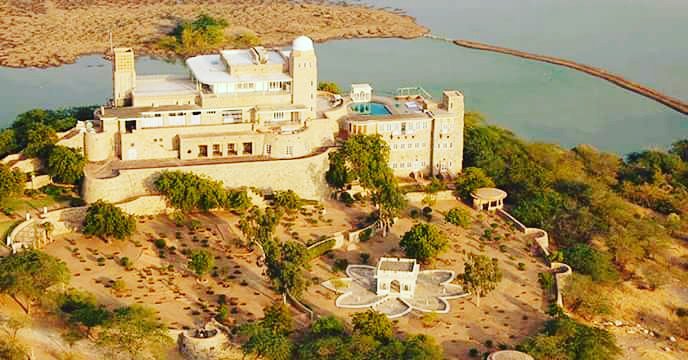
Sardar Samand Lake And Palace

Built On The Banks Of The Sardar Samand Lake By Maharaja Umaid Singh In 1933, The Sardar Samand Lake Palace Is A Spectacular Hunting Lodge.


This 1927 Rolls-Royce Phantom was custom-made for His Highness Maharaja Umaid Singh to transport the ladies of the court: To keep them hidden, the car’s back windows feature blue purdah glass & fly screens at Museum of fine arts, Houston.

Honours 


Delhi Durbar silver medal-1911

Prince of Wales Visit Medal-1922

Knight Commander of the Royal Victorian Order (KCVO)-1922

Knight Grand Commander of the Order of the Indian Empire (GCIE)-1930

King George V Silver Jubilee Medal-1935

Knight Grand Commander of the Order of the Star of India (GCSI)-1936 (KCSI-1925)

King George VI Coronation Medal-1937

Grand Cross of the Order of the Dragon of Annam-1940

1939-1945 Star-1945

Africa Star-1945

War Medal 1939-1945-1945

India Service Medal-1945

Knight of the Order of St John (KStJ)-1946

Halvad-Dhrangadhra State Rajyabhisek Medal, 1st class-1948 (post-humous)

Maharaja Umaid Singh with Javaharlal Nehru & Indira Gandhi at 'The Monarch' Palace.[19th Century

Lieutenant General Air Vice Marshal His Highness Maharaja Umaid Singh (1918–1947) was the 37th Rathore Ruler of Marwar and is remembered as the monarch who skillfully and sensitively brought the fabled desert kingdom into the modern age.


There were many things about MahaRaja Umaid Singh Ji whether it was about taking his polo team to England. A keen sportsman, Maharaja Umaid Singh Ji was a competent polo player, a gifted marksman and angler, and loved the great outdoors.


Built by Maharaja Umaid Singh.

Massive and mesmerising - the Jawai Dam in Pali is the largest dam of western Rajasthan and also an ideal destination for  photographers & bird watchers.


The dam which remained as Jodhpur main water source even after half a century, the man himself was a true visionary. His famine relief policy which gave rise to this majestic palace when Marwar faced drought and famine for 3 consecutive years, leaving lot of people without any food or money. The Year was 1929, City was facing severe drought. The farmers of the area, facing hardship, met Maharaja Umaid Singh, Maharaja immediately ordered his Pradhan to release funds for the people, but what came as a shock shows the true character of Mitti of Rajasthan. People of Jodhpur declined any such offer which included handing out money as a charity & asked for work instead.


Maharaja Umaid Singh ji devised a plan to provide them with some employment so that they could survive the harsh conditions.The Maharaja, in order to help the farmers, decided to build a lavish palace. 


He commissioned the famous architect Henry von Lanchester as the architect to prepare the plan of palace. 


The palace was built at a slow pace as its initial objective was to provide employment to the famine-stricken farmers in the area. In meantime Maharaja Umaid Singh of Jodhpur launched probably the longest famine relief program which provided employment and money for the famine-stricken people for over a decade.


Maharaja Umaid Singh Ji Rathore passed 'Marwar Vaccination Act' to protect his subjects from infectious and uncurable diseases by door to door vaccination program about 102 years ago. Also, Vaccination was first introduced in Marwar in 1866 when 3,933 persons were vaccinated. 


The foundation stone was laid in 1929 and was completed in 14 yrs. About 2,000 to 3,000 people were employed in its construction.


On the same day, Maharaja also laid the foundation of Windham Hospital(now Mahatma Gandhi Hospital). 


Maharaja Ummed Singh built the Windam Hospital in 1932 for 15 lakh 30 thousand rupees, which was in the name of the then Viceroy.


In 1949, it was named Mahatma Gandhi Hospital. The hospital had a capacity of about 500 beds.


Another such famous building of Jodhpur which has been witness to the birth of most of the Jodhpurites. There is hardly anyone in Jodhpur who would not know about it. Umaid Janana Hospital was built by Maharaja Umaid Singh ji. 


Maharaja Umaid Singh ji is called the builder of modern Jodhpur because he got many new and modern works done in Jodhpur during his reign. In the year 1936, Maharaja Umaid Singh Ji had laid the foundation of the hospital with his own hands and its construction work was completed in 1938 AD. 

Maharaj Kumari Rajendra Kanwar Baiji Lal of Jodhpur. (the only daughter of the Maharaja of Jodhpur and later the Maharani Padmavati Devi 
of Baroda, wife of Maharaja Gaekwad Fatehsinhrao Gaekwad II of Baroda)

The hospital was inaugurated with a grand ceremony at the hands of Maharaj Kumaru Rajendra Kanwar Baiji Lal, the daughter of Maharaja Umaid Singh. At that time about 12.5 lakh rupees were spent to build this hospital. Cottage wards were made for the stay of 66 sick women and general ward beds for 1000 patients in the hospital. Seth Champalal Dhichan and Moolraj Golechha had given financial assistance of Rs 27000 in the construction of the hospital, so in his memory the Maharaja put a plaque in his name in the hospital and also honored him with gold, palanquin and Kaifiyat.


जोधपुर राज्य में देवस्थान, गोशाला, और आश्रमों को किस प्रकार सहायता दी जाती थी। आज के नेता उन राजाओं से कुछ सीख ले सकते हैं। From the Administration of Jodhpur state, 1938.


Umaid Bhawan Palace Jodhpur is a marvel built by Maharaja Umaid Singh of Rathore Dynasty. The youngest palace of India is an architectural splendor. Built between 1929-1942, this golden hued monument, made of desert sandstone, designed by famed Edwardian architect Henry Lancaster, commissioned by H.H. Maharaja Umaid Singh, grandfather of present Maharaja of Jodhpur, is a celebration of Art Deco style on the grandest scale.


The hill on which the palace is built was known as Chittar hill, thus the palace is also known as Chittar Palace. Sandstone blocks were transported from Sursagar and Fidusar quarries by special narrow gauge railway.  The palace was built by carving sandstone. During the construction of the palace, spices were not used to bind stones. This uniqueness attracts a large number of tourists to this palace. The architect of this beautiful palace was Henry Vaughan, an Englishman.


Umaid Bhawan Palace is one of the largest and most expensive palaces in India, built on an area of ​​about 26acres of land with 15 acres of gardens. It includes a throne room, private meeting hall, court hall, banquet hall, private dining hall, ballroom, library, indoor swimming pool and etc. The cost of its construction was about 11 million rupees, which was a huge cost at that time. The Umaid Bhawan was named after the Maharaja afterwards. There was some criticism for embarking on an expensive project but it had served the main purpose of helping the citizens of Jodhpur to face the drought & famine. Such were the values of even common people of Rajsthan.


Umaid Bhawan Palace is a palace located in the Jodhpur district of Rajasthan. It is one of the largest private palaces in the world. It is a part of the Taj Hotel. It was named by the grandson of Maharaja Umaid Singh, who is the current owner. At present, this palace has three hundred forty-seven rooms. Umaid Bhawan Palace was called Chittar Palace during its construction due to this Umaid Bhawan Palace being Chittar hill.


Colonnaded verandas guide one's eye up to intricately carved pillars, stylized sculptures and finally a massive central dome topped by a 30-meter golden cupola. Umaid Bhawan Palace is a perfect example of an Indo-colonial architectural style and deco-art. Deco art is a style dating back to the 1920s and1930s.


The inner dome of this palace is light blue in color with a diameter of about 31 meters, which is covered by an outer dome whose height is about 13 meters. This palace was used for the use of the erstwhile Jodhpur royal family. This is one such twentieth-century palace, built under the Draught relief project. Due to which the Draught-affected people got employment. This opulent edifice built of sandstone is now the residence of former rulers, one part of which runs a hotel and the other part houses a museum.


In 1971, MahaRaja Gaj Singh II decided to convert a part of the palace into a hotel. This palace is run by the “Taj Group of Hotels”, due to which it is also known as “Taj Umaid Bhawan Palace Jodhpur”. The view of this palace made of marble and sandstone attracts tourists especially. Watches and paintings of the ancient era are preserved even today in the museum of this palace. The memorial has 347 rooms, several courtyards, and a large banquet hall that can easily seat 300people.


A palace is also present in this palace, which contains the items of the rulers as well as some valuable things, including the symbolic flag, windmill, and lighthouse given by Queen Victoria to Queen Jaswant Singh in the year1877 AD. Size includes the collection of clocks etc. 


Presently the owner of Umaid Bhawan Palace is Maharaja Gaj Singh. The palace is mainly divided into three functional parts, the first being the residence of the royal family, the second Taj Palace Hotel and the third museum, which are used to display the objects of the rulers of the 20th century. 

The Prince of Wales (R) rides in a jeep with the Maharaja of Jodhpur, Shri Gaj Singh II (L) during his visit to the Mehrangarh Fort in Jodhpur, Rajasthan. The Prince of Wales is on an official nine-day tour of India. ( 3 November 2003 )

The palace is open to visitors year-round, and has become a top destination for govt leaders, royals, and Hollywood and Bollywood stars alike. In 2007, British actress Elizabeth Hurley married Indian businessman Arun Nayar beneath the white marble canopy, on the palace lawn. The 347-room palace, considered one of the world's fanciest residences, was used as the primary location for "Viceroy House," a film by director Gurinder Chadha being released Friday in India.


Not to mention his love for flying which brought Jodhpur, it’s first aerodrome. His passion, was flying, and due to his pioneering zeal Jodhpur became one of the most important centers of aviation in India in his time.  


Even before Delhi airport was announced as International airport, Jodhpur airport had become International only by the efforts of the then king.


Maharaja Umaid Singh (1918-1947), the thirty-seventh Jodhpur ruler is often remembered for his passion for flying. 


Legend has it that he could, and would, descend from the skies unannounced and unheralded to inspect and supervise his kingdom.


An avid flyer who was bestowed the title of air vice-marshal, it was Singh’s relentless efforts that made JFC Air Force Station the gateway to Far East by 1938, with three international airlines - Air France, KLM and Imperial Airways - frequenting the desert capital regularly.


The aviation history was made possible by Maharaja Umaid Singh who was keen to put Jodhpur on the global flying map.
“He first built a landing strip here in 1924 and then formed the JFC with Geoffrey Goodwin of Johannesburg, South Africa, who became the first instructor at the flying club. 

Maharaja Umaid Singh with his Percival Gull VT- Outside the Hangar of the Jodhpur Flying Club
From the Album ‘Soubernir – Glimpses of Jodhpur’
c. 1931–47, Sarony Studios, New Delhi
© Mehrangarh Museum Trust

Here, the Jodhpur Maharaja is pictured with the Percival Gull VT-AGV - a monoplane specially modified to His Highness’ order. Powered by a two-hundred-horsepower Gipsy 6 engine, it was equipped with the latest blind-flying instrumentation. The normally enclosed cabin was replaced with twin open cockpits fitted with a pair of racy windscreens for Maharaja Umaid Singh.

The first two aircraft to be purchased were T-ABX and VT-ABY (bought from Delhi Flying Club for Rs 10,896 each),” he said.


JFC was the first institution to induct the Tiger Moth aircraft in 1932, the year the IAF was established. This vintage aircraft has been fully restored by an aircraft restoration company in UK and was showcased at IAF’s ‘Iron Fist-2013’ exhibition at Pokhran. 

Made with as many off-the-shelf instruments & parts as possible, the Stinson L-5 Sentinel aircraft was meant to be easily fixable on the battlefield. This example, once owned by Maharaja Umaid Singh, is on view in Museum of ine arts, Houston.


The De Havilland DH82 Tiger Moth is a two-seat, single-bay biplane powered by a 145hp Gypsy Major four-cylinder inverted air-cooled engine. It was the primary trainer for the Royal Air Force (RAF) during the World War II, and continued in the service of IAF from 1940. It was later replaced as a trainer by the HT-2.
 

Though, the JFC started humbly with two Tiger Moths, it progressed rapidly by 1938 and was at the forefront of civil aviation in India.


Maharaja Umaid Singh, who had a Level A flying licence, became a shareholder in India's first airways. During the Battle of Britain, he was in command at the Jodhpur base, which, as the focus moved to Burma and the Far East, came into prominence.


RIAF personnel deployed at Jodhpur airbase during WW2, with Maharaja Umaid Singh and MaharajKumar Hanwant Singh at Umaid Bhavan.


In 1941, the Jodhpur facility became the ‘No 2 Elementary Flying Training School’ (EFTS). The RAF arrived a year later and the US Army and Air Force soon after.


“By 1938, there were 23 airfields throughout the state which became a part of the MahaRaja Umaid Singh legend, who would ‘descend from the skies unannounced and unheralded’ to inspect and supervise them,” 


While Air Vice-Marshal H H Maharaja Umaid Singh died tragically in June 1947, his pioneering effort in aviation saw Jodhpur become one of the most strategic and largest airbases in Southeast Asia. 

From being a base of Tiger Moth to advanced Rafale and supersonic fighter aircraft Sukhoi, the Air Force station today celebrates the vision, commitment and dedication of its men through the years in the tradition set by Maharaja Umaid Singh in Indian aviation.